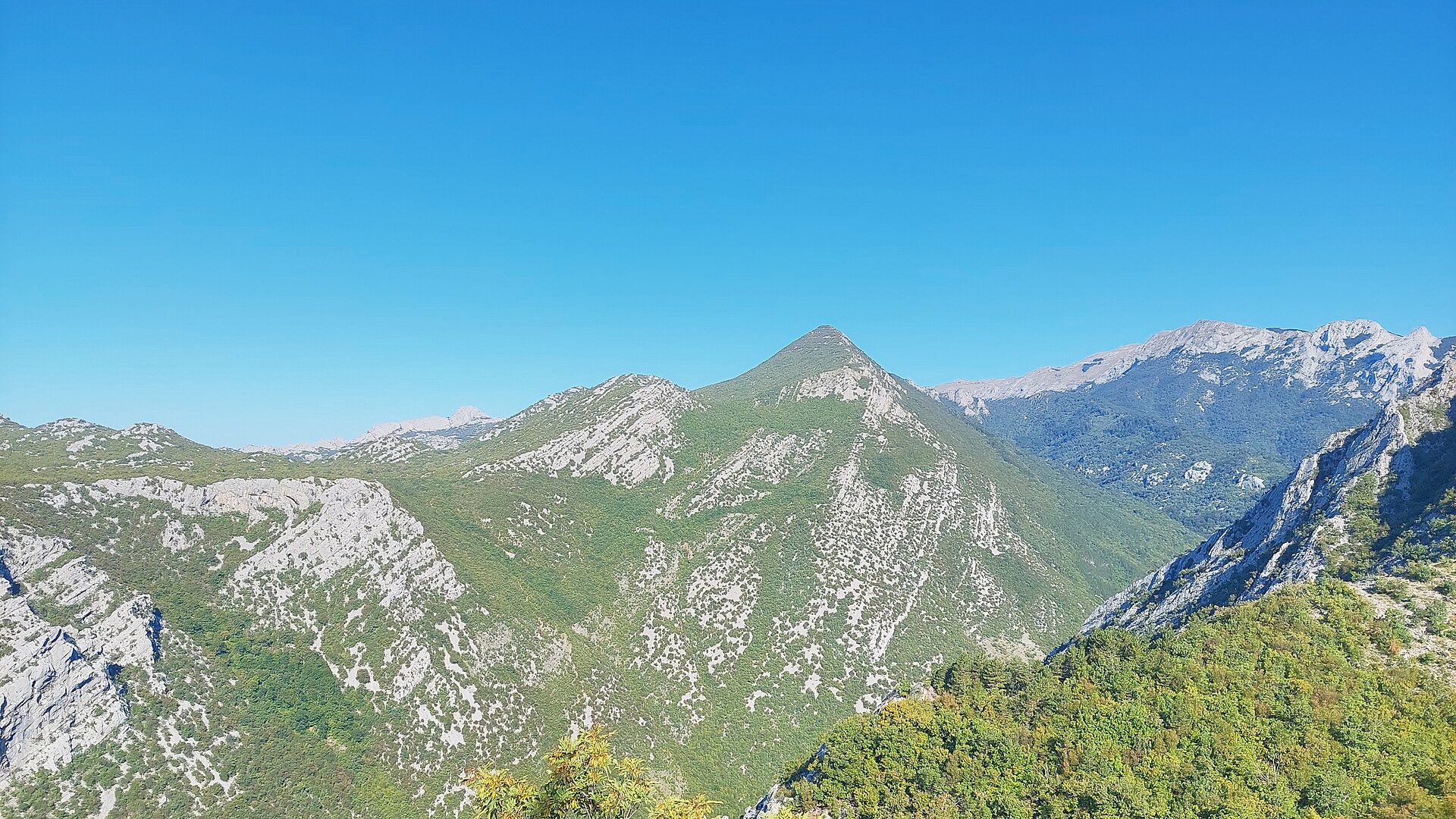
About this place
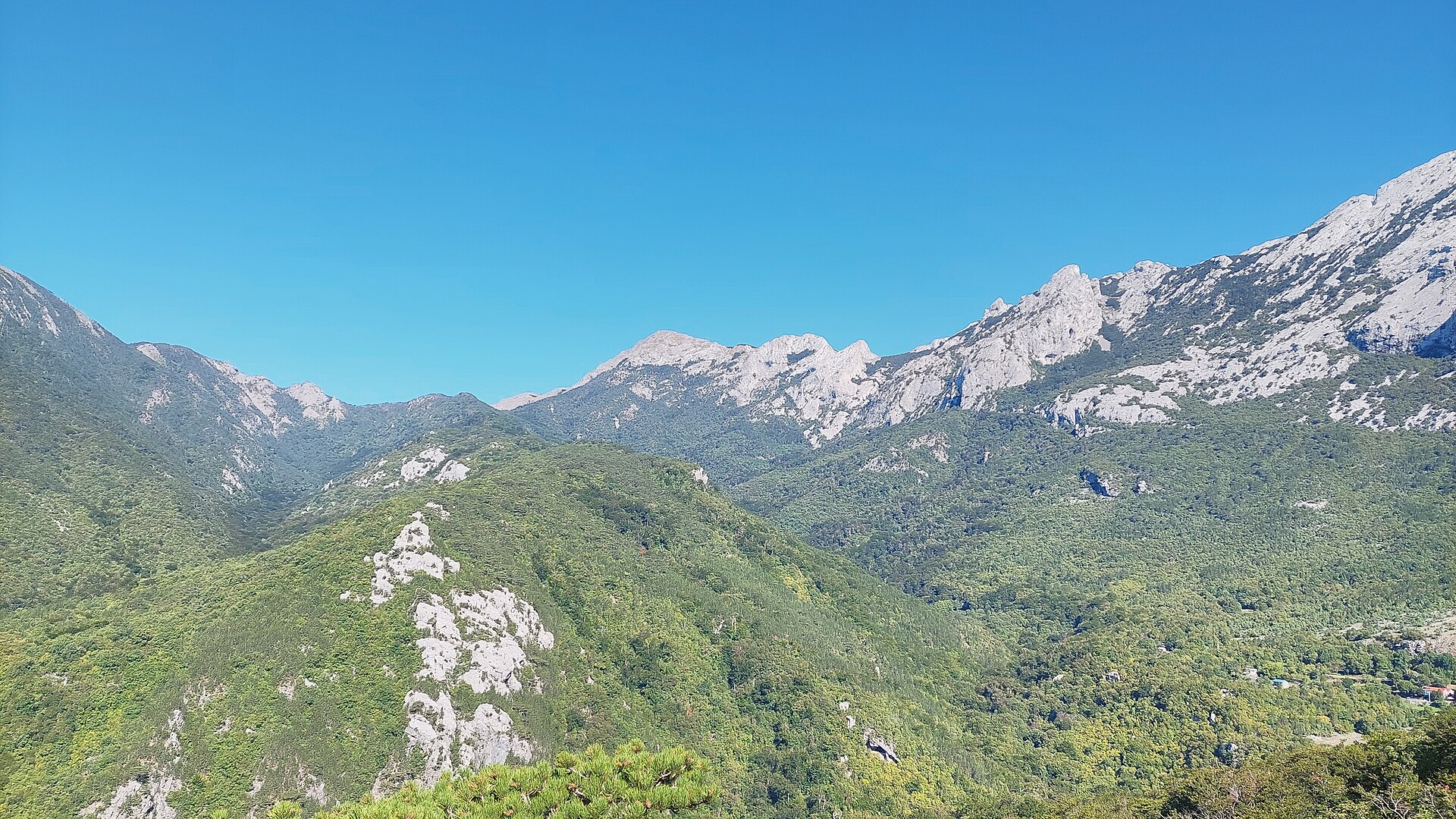
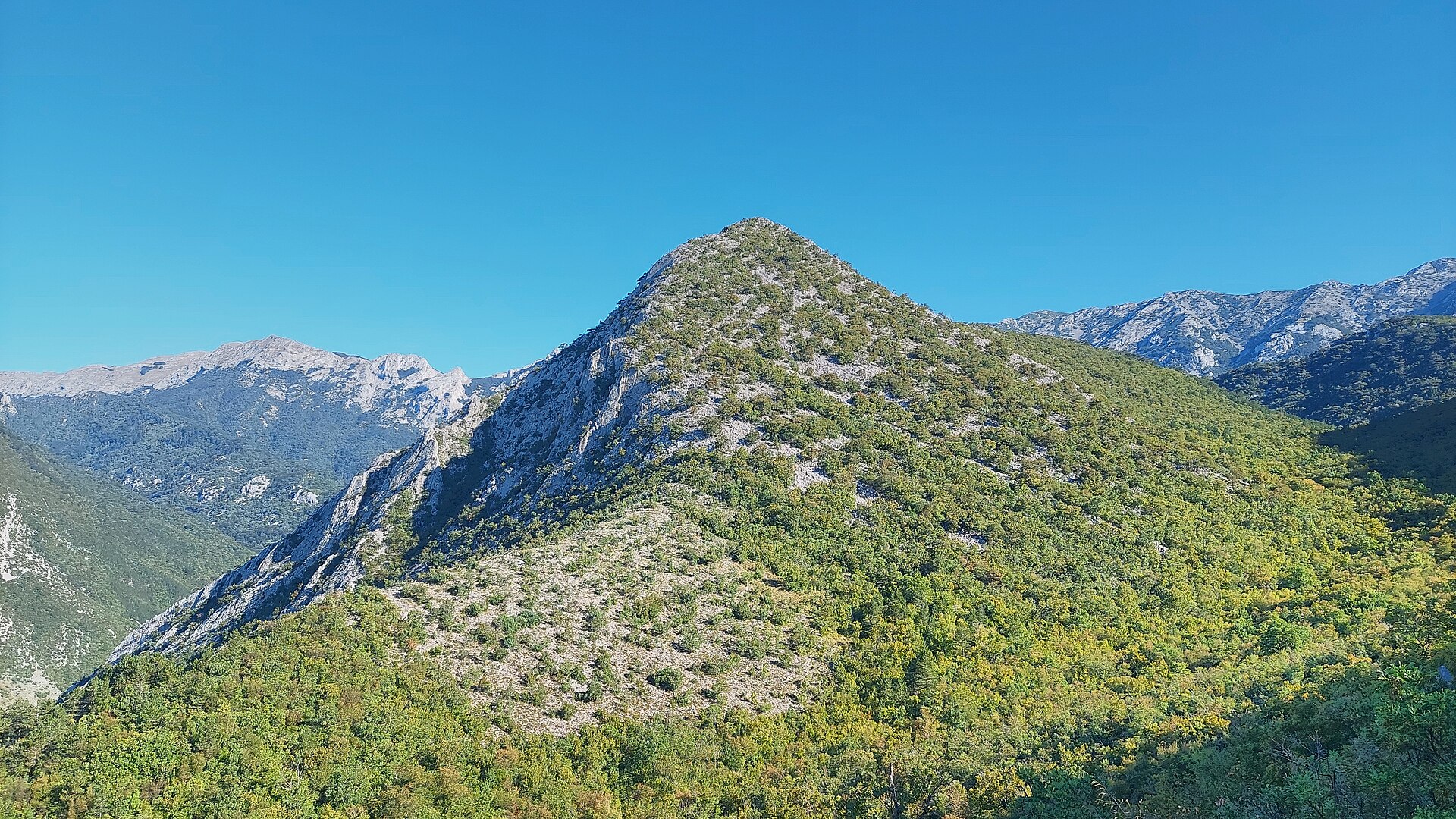
Klekovac is a small ridge point in the Velebit mountain range, within the municipality of Starigrad, marked as a prominence tied to the Golić summit. It sits deep in the mountains, far from any settlement, and is one of the many unnamed corners of Velebit that only hikers on the northern and central ridge trails ever come across.
Where exactly is Klekovac?
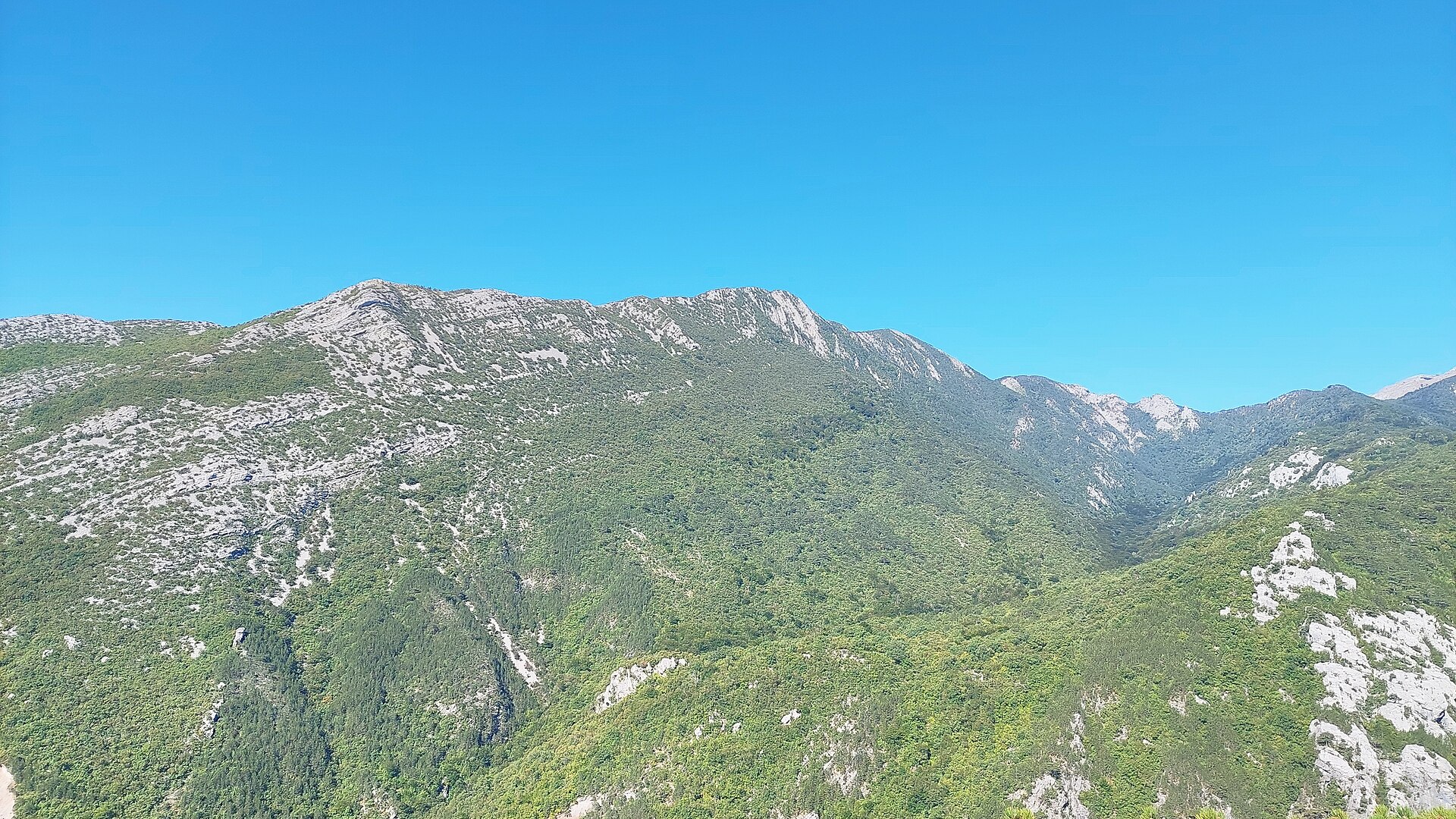
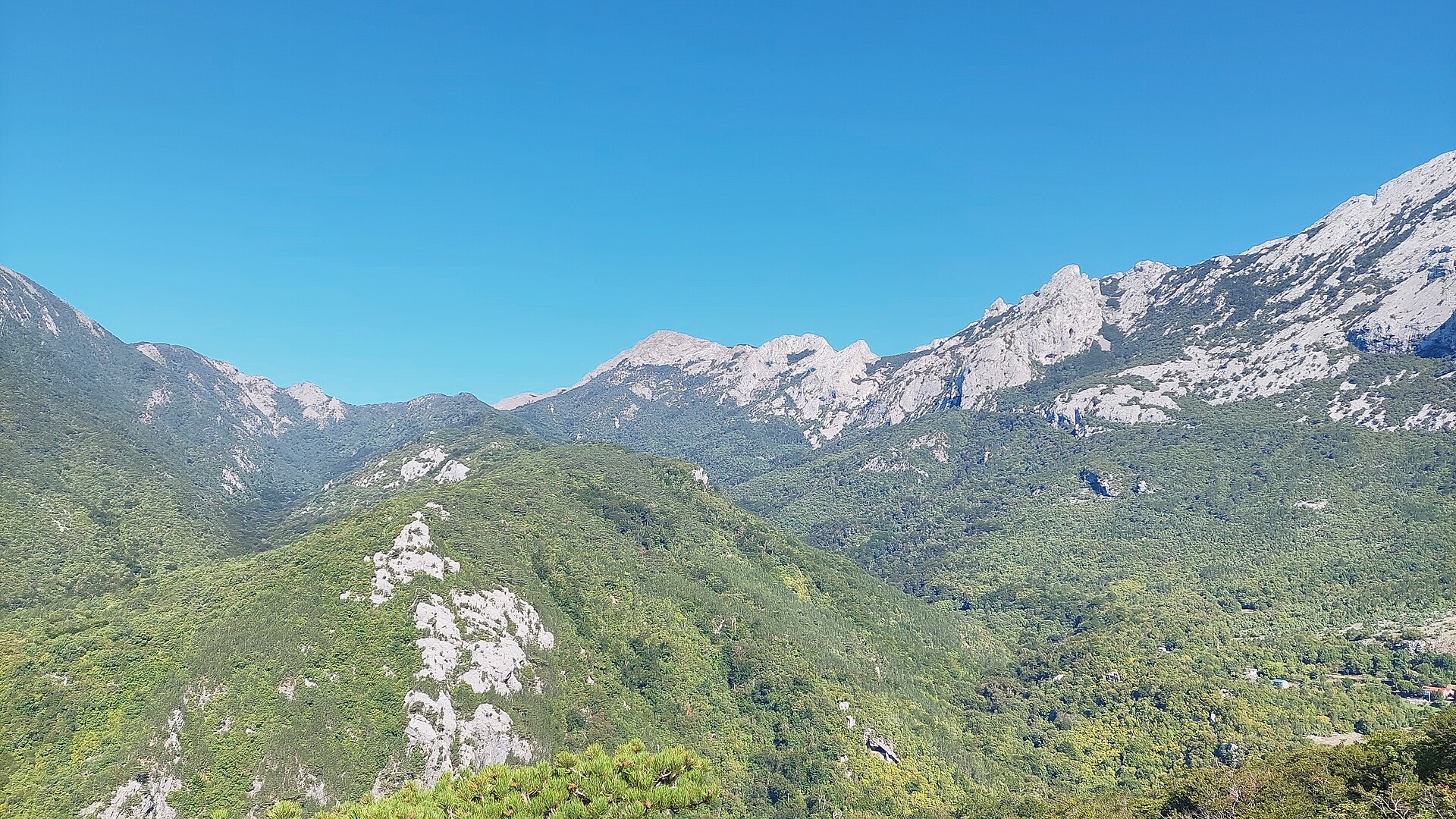
The point lies on a high mountain ridge near the Golić summit (also called Veliki Golić), in the eastern part of the Velebit massif that rises above Starigrad and the Velebit Channel coastline. Its coordinates (44.3382 N, 15.4551 E) place Klekovac deep inside the range, in terrain typical of Velebit's karst landscape — rocky ridgelines, valleys with no surface streams, and wide stretches of beech forest and dwarf pine.
What is there to see nearby?
Klekovac itself is a waypoint on a ridge route rather than a standalone attraction with visitor infrastructure — its appeal comes from what surrounds it. A dozen or so kilometers to the south lies Paklenica National Park, one of Croatia's best-known protected areas, famous for two karst canyons: Velika (Big) and Mala (Small) Paklenica. Velika Paklenica draws climbers and hikers alike — a gorge with steep, pale limestone walls, with a trail leading deep into Velebit toward the higher ridges where Golić also sits. Velebit as a whole is Croatia's longest mountain range, stretching along the northern Dalmatian coast, and parts of it hold UNESCO biosphere reserve status for their richness of flora, fauna and karst formations. From the ridges around Golić and Klekovac, views open toward the islands of the Velebit Channel on one side and, inland, toward the rocky summits of central Velebit.
How to get there?
The usual starting point is Starigrad-Paklenica, a coastal town on the Adriatic highway, from which marked trails lead into Paklenica National Park and onward to the higher parts of the massif. The Golić area is reached via a trail branching off the forest road toward Štirovača, through classic mountain terrain — rocky, often without shade, and demanding sturdy footwear and good navigation. Since there are no signs pointing directly to Klekovac itself, it's best treated as a point along a longer ridge traverse rather than a standalone day-trip goal for inexperienced hikers.
When is the best time to visit?
Late spring (May–June) and early autumn (September–October) are the best times for hiking this part of Velebit, when mountain temperatures are moderate and visibility is usually good. In summer, the exposed rocky ridges can get uncomfortably hot, so early starts are recommended. In winter, the higher parts of Velebit can be snow-covered and icy, requiring proper gear and mountaineering experience.
Frequently asked questions
Is Klekovac a separate mountain? No — it's a ridge point (prominence) tied to the Golić summit within the Velebit massif, not a standalone named mountain with its own visitor infrastructure.
Is there a hiking trail nearby? Yes, the area is within reach of trails running from Starigrad-Paklenica through Paklenica National Park toward the higher parts of Velebit, including the Golić area.
Do you need mountain hiking experience? Yes, the terrain is rocky and there are no trail markers leading directly to Klekovac itself, so good physical preparation, a map, and mountain navigation skills are recommended.
What's the main reason people visit this area? Most hikers come for Paklenica National Park and the panoramic views from Velebit's ridges, rather than for Klekovac as an individual destination.
Nearby places

Earn badges for the places you visit
Download NextOnTrip, discover new places and check off your trails.