About this place
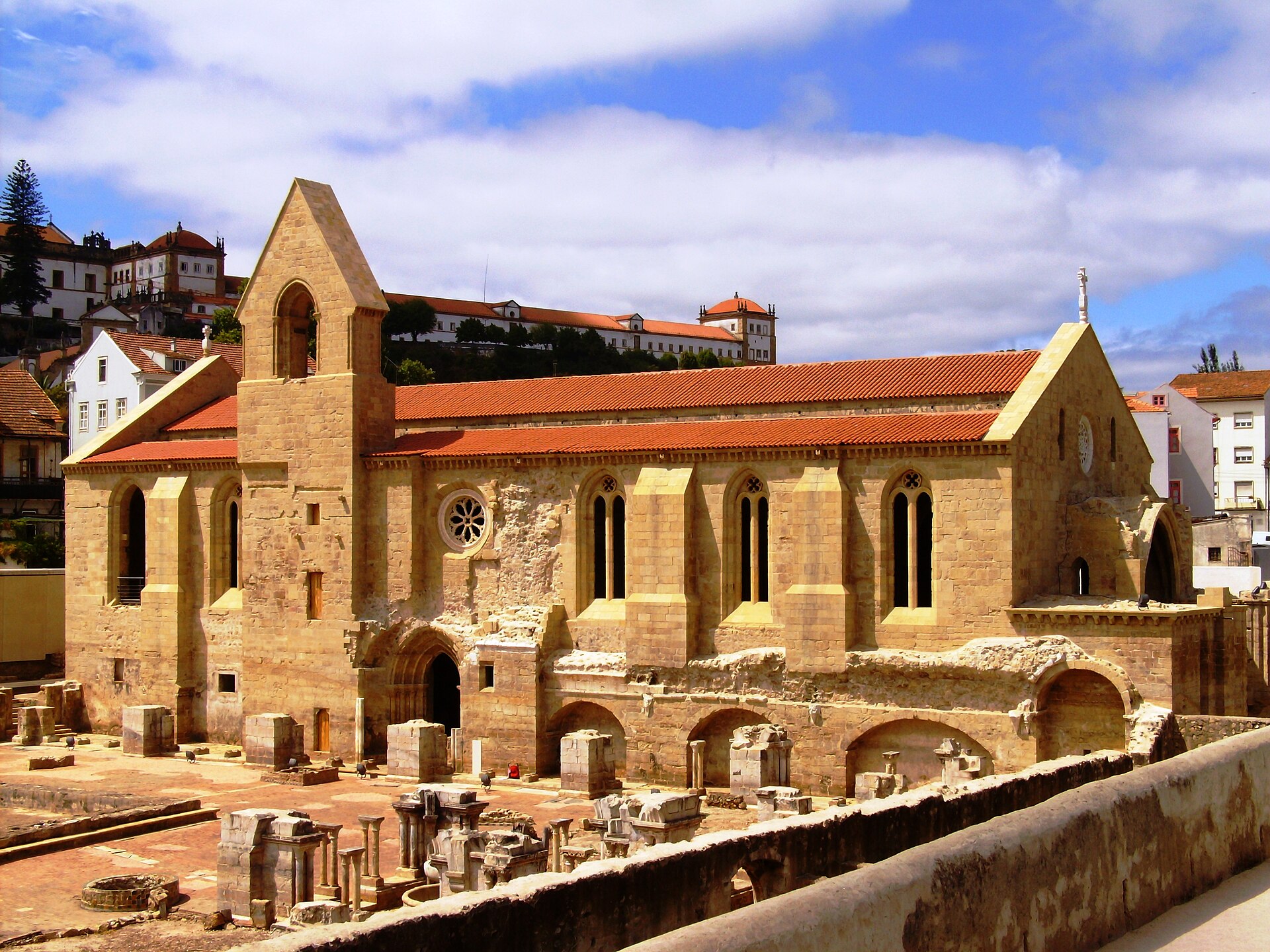
Santa Clara-a-Velha Monastery in Coimbra is a set of Gothic ruins of a former Poor Clares convent, dug out of river silt after more than three centuries of oblivion. Today it is a museum, and visitors can walk through a building that spent generations buried by the Mondego.
How was the monastery founded?
The convent was founded in the 1280s by Mor Dias as a house of the Poor Clares. The start was rocky: in 1311 the community was dissolved after opposition from local monks. Elizabeth of Aragon, wife of King Denis and known in Portugal as Queen Isabel, sponsored its restoration. Work began in 1316 and the church was consecrated in 1330. It stood on the left bank of the Mondego River.
Why was it abandoned?
The riverside location proved to be its undoing. Repeated floods kept inundating the site, and in the 17th century the nuns left for a new convent, Santa Clara-a-Nova, built on higher ground. Three Gothic tombs, including that of Queen Isabel, were moved there too. The old convent was gradually swallowed by silt.
Rediscovery and restoration
The ruins were excavated in the late 20th century, over 300 years after the nuns departed. As a national monument, the site was earmarked for restoration in 1995. Conservation continued until 2008, and a museum opened a year later. The digs uncovered the foundations of the chapter house, the refectory, a smaller cloister and Queen Elizabeth's old palace.
What to see
The Gothic walls of the church are remarkably well preserved. Visitors can enter the lower levels of the monastery, including the choir and the old treasury. An interpretive centre displays archaeological finds that shed light on the nuns' daily lives, and exhibits explain the historical and architectural importance of the site.
Frequently asked questions
Where is the monastery? In Coimbra, Portugal, on the left bank of the Mondego River.
When was it built? It was founded in the 13th century, and rebuilding began in 1316 after the first community was dissolved. The church was consecrated in 1330.
Why is it a ruin? Floods forced the nuns out in the 17th century, and the building decayed and was buried in sediment.
Can I visit it? Yes. A museum with an archaeological display and explanations of the site's history has operated here since 2009.
Where is Queen Isabel's tomb? In Santa Clara-a-Nova, where it was moved along with the nuns.
Nearby places

Earn badges for the places you visit
Download NextOnTrip, discover new places and check off your trails.