About this place
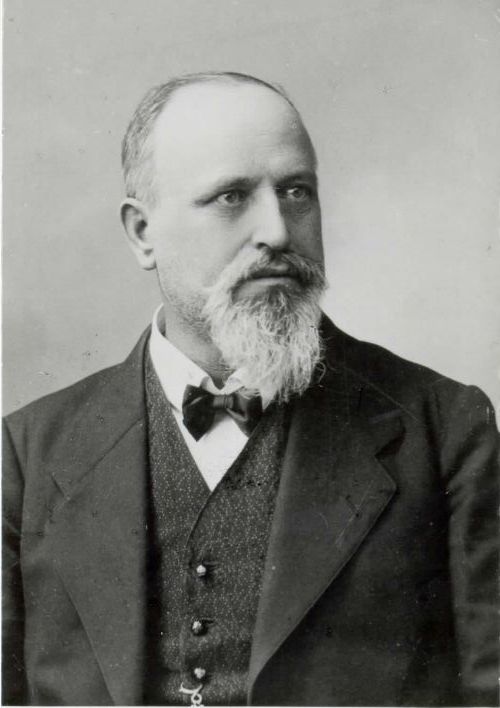
The Karel Štrekelj monument stands in the village of Gorjansko, in the municipality of Komen on the Slovenian Karst — a small settlement that produced one of the country's most important linguists and folklorists. The bronze bust, created by academic sculptor Mirsad Begić, was unveiled on 14 June 2009, exactly 150 years after Štrekelj's birth. For a small Karst village, it was a genuinely significant occasion, and the local community still keeps his memory alive today.
Who was Karel Štrekelj?
Karel Štrekelj was born in Gorjansko on 24 February 1859. He became a Slavist, linguist and ethnologist, and above all the man responsible for one of the most complete collections of folk songs among all Slavic nations. From 1886 onward, working under the Matica Slovenska society, he spent years compiling "Slovenske narodne pesmi" (Slovenian Folk Songs), gathering nearly 8,700 songs from across the Slovenian ethnic territory. He died in Graz in 1912, but it is his native Gorjansko that keeps his legacy visible today.
What will you see on site?
The centerpiece is a bronze bust of Štrekelj placed in the middle of the village. It's a modest but symbolically meaningful monument — a classic bust-style sculpture, a form commonly used across Slovenia to honor cultural figures. The setting is intimate: a village square rather than a large museum complex, so the visit itself takes only a few minutes, but it pairs well with a short walk through the village, built in the stone-house style typical of the Karst region.
How do you get there?
Gorjansko lies on the Karst plateau, in the municipality of Komen, in southwestern Slovenia, close to the Italian border. Driving is the most practical option — the village sits a short distance from the town of Komen and relatively close to Sežana and the border crossing toward Trieste. This is classic Karst landscape: limestone hills, vineyards and stone villages, so the drive itself is part of the experience. There's no major public transport hub nearby, so a car or bicycle is the way to go.
What else is worth seeing nearby?
The Karst region is best known for its caves — including the famous UNESCO-listed Škocjan Caves — and for its wine tradition. Within a short drive of Gorjansko you'll find numerous farms offering tastings of local Teran wine and pršut, the region's air-dried Karst ham. That makes it easy to combine a stop at the monument with a longer day exploring the wider area.
When should you visit?
The monument is accessible year-round, since it stands in an open village square. Spring and autumn are the most pleasant seasons to visit, when Karst temperatures are mild and the surrounding vineyards look their best. It's also worth knowing that since 2001, Gorjansko has awarded the Štrekelj Prize, a local honor recognizing the village's most distinguished residents — a reminder that this is a living point of local identity, not just a historical relic.
Frequently asked questions
Where exactly is the Karel Štrekelj monument located? In the village of Gorjansko, municipality of Komen, on the Karst plateau in southwestern Slovenia.
Who was Karel Štrekelj and why does he have a monument? He was a Slovenian linguist and ethnologist who collected nearly 8,700 folk songs and edited the monumental collection "Slovenske narodne pesmi." The monument in his native village honors his contribution to Slovenian culture.
When was the monument unveiled? On 14 June 2009, marking the 150th anniversary of Štrekelj's birth.
Is it worth combining the visit with other Karst attractions? Yes — the surrounding area offers vineyards, pršut farms, and the famous Škocjan Caves, making it easy to plan a full day exploring the region.
Nearby places

Earn badges for the places you visit
Download NextOnTrip, discover new places and check off your trails.