About this place
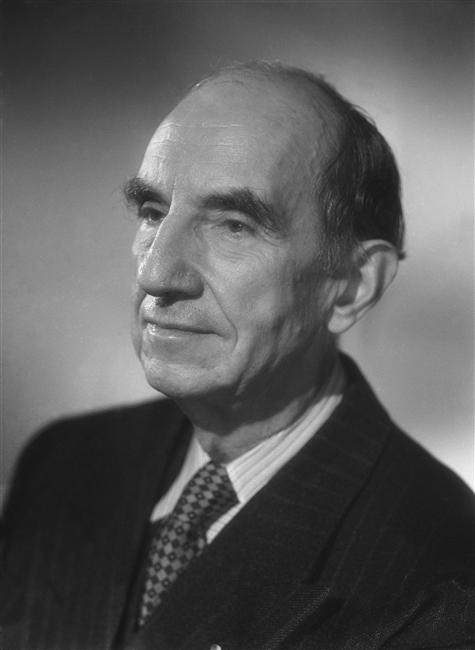
Jules Supervielle is a name deeply tied to Oloron-Sainte-Marie, even though the poet himself was born far away, in Montevideo. This small town at the foot of the Pyrenees is where his family roots lie, and today his name lives on in a local school, a cemetery plot, and a literary prize — making it a rare stop where the biography of one of the twentieth century's most distinctive French-language poets intersects with the story of a modest Pyrenean town.
Who was Jules Supervielle?
Jules Supervielle (1884–1960) was a French-Uruguayan poet and writer. Born in Montevideo, his family nonetheless came from Oloron: his paternal grandfather, born in the town in 1817, worked there as a jeweller and watchmaker, a trade his father Victor Jules Supervielle (born 1854) continued. The poet was orphaned tragically early — both parents died in Oloron when he was just nine months old. Supervielle was nominated for the Nobel Prize in Literature three times, marking him as one of the significant figures of French poetry of his era.
What connects the poet to this town?
Although he grew up far from France, Supervielle returned to Oloron-Sainte-Marie — most memorably in 1926, when he made a kind of pilgrimage to his family's hometown together with fellow poet Henri Michaux. The trip produced a poetry collection published the following year, simply titled "Oloron-Sainte-Marie," made up of 26 poems inspired by the town and its atmosphere. That collection is what permanently linked the town's name to French literary history.
What can you see in Oloron-Sainte-Marie today?
Several traces of the poet's memory remain in the town. Since 1960, Supervielle has been buried in the Sainte-Croix cemetery in Oloron, where his wife Pilar was later laid to rest in 1976. In 1971, the town honoured the poet by naming its high school after him — the Lycée Jules Supervielle still operates today as a public secondary school within the Bordeaux education district. The town also established the Prix Jules-Supervielle, a literary award for French-language poets whose winners have included Alain Bosquet, Eugène Guillevic, and Henri Thomas.
How to get there and when to visit?
Oloron-Sainte-Marie sits in the Pyrénées-Atlantiques department, at the gateway to the Aspe and Ossau valleys, making it a convenient base for both literary tourism and mountain excursions. Spring and early autumn are the best seasons for a walk in Supervielle's footsteps, when the weather is pleasant for exploring the old town and the Sainte-Croix cemetery on foot. A route linking the high school, the cemetery, and the historic centre takes little more than an hour at an easy pace.
Frequently asked questions
Was Jules Supervielle born in Oloron-Sainte-Marie? No, he was born in Montevideo, Uruguay, but his family came from Oloron, and that heritage shaped much of his personal mythology.
Where in town can visitors find traces of the poet? The main sites are his grave in the Sainte-Croix cemetery and the Lycée Jules Supervielle, named after him since 1971.
What work did he write about the town? Following his 1926 pilgrimage to Oloron, Supervielle wrote a poetry collection titled "Oloron-Sainte-Marie," published the following year.
Is there a prize named after him in the town? Yes, the Prix Jules-Supervielle honours French-language poets, with past winners including Alain Bosquet and Eugène Guillevic.
Nearby places

Earn badges for the places you visit
Download NextOnTrip, discover new places and check off your trails.