About this place
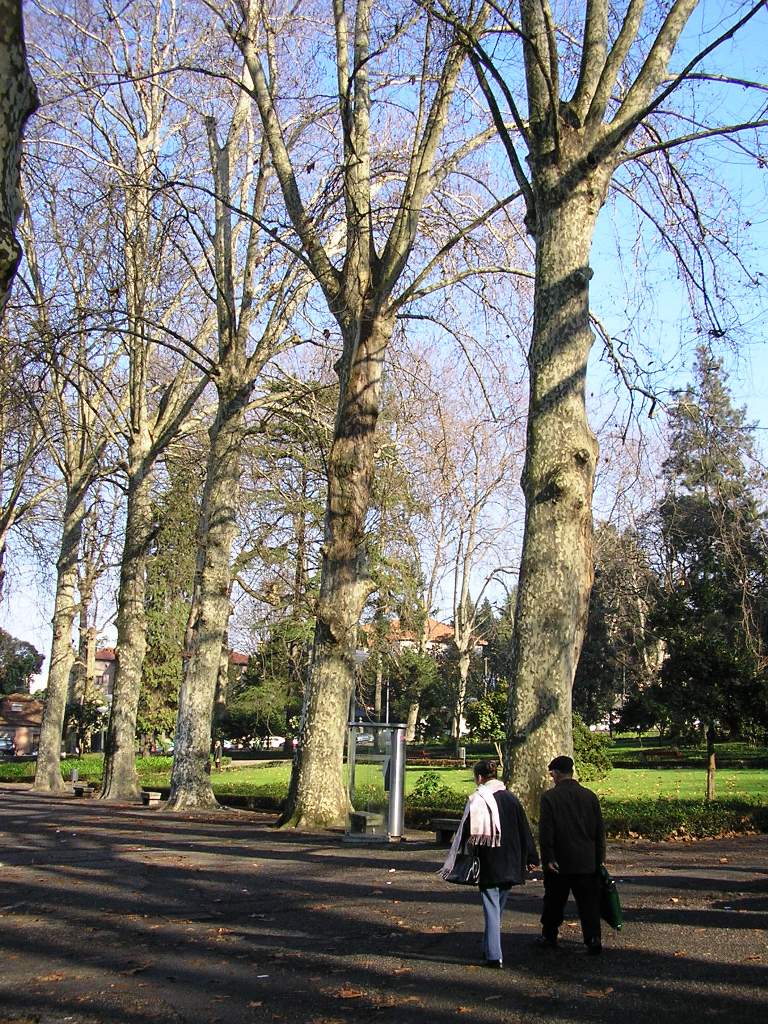
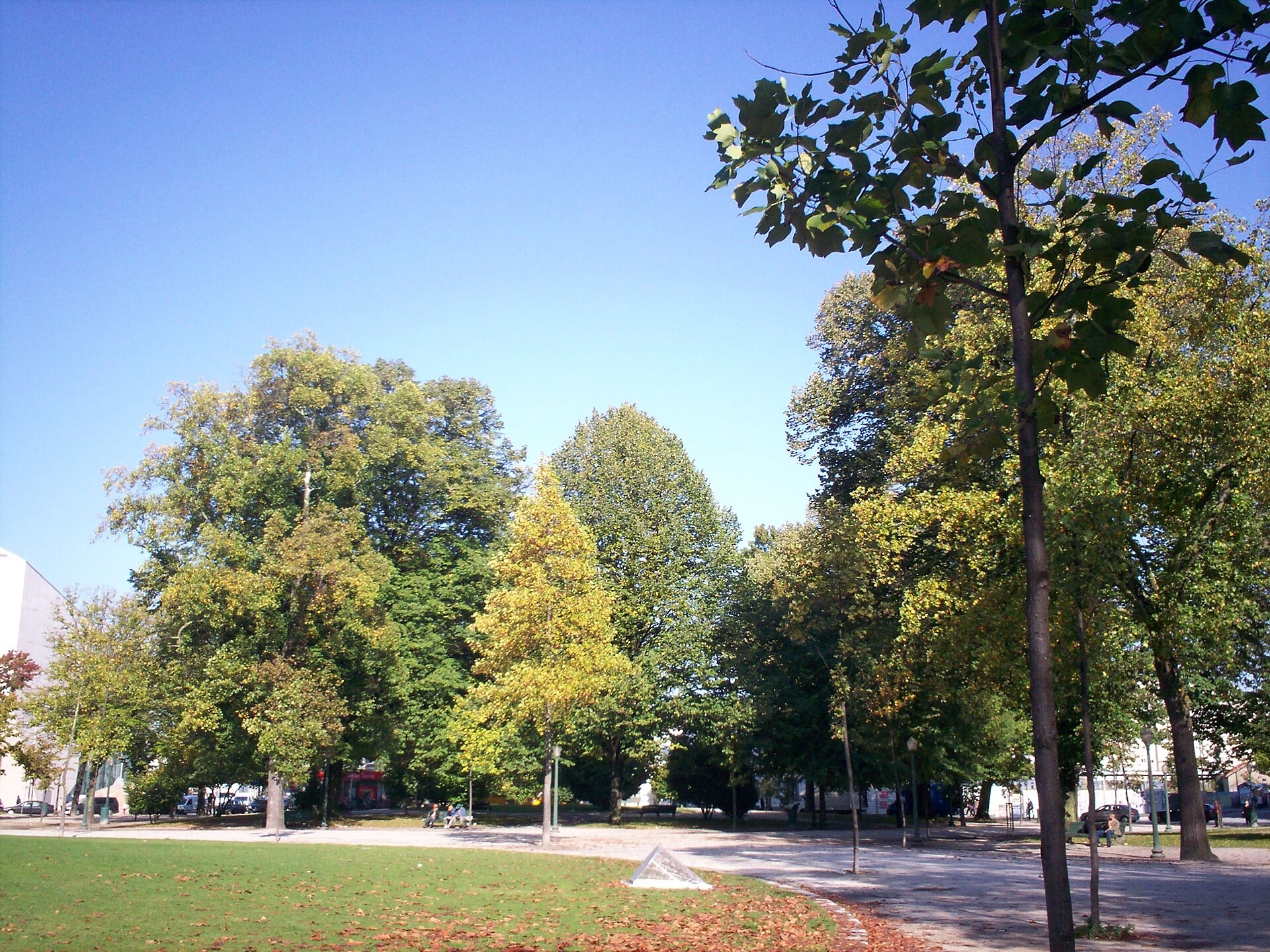
Jardim de Arca d'Água is a public garden in the Paranhos parish of eastern Porto. It looks like an ordinary neighbourhood park, yet beneath its paths lies one of the oldest water sources that supplied the city for centuries.
Why visit?
The garden blends greenery, urban infrastructure history and a genuinely local mood. You will not find tourist crowds here, only shade, benches and a calm that is hard to come by in the historic centre. It suits travellers who want to see Porto as its residents live it.
Where does the name come from?
The name roughly means "water chest" and refers to three springs in the Paranhos area. The oldest surviving records of these waters date to 1120, in the document by which Countess Theresa granted the Couto do Porto to Bishop Hugo. By the middle of the 15th century three fountains stood on the site, which explains the name.
As the city grew and water ran short, a plan emerged to bring it from Paranhos into the centre. The authorisation was issued on 20 November 1597 under Philip I. The oldest stretch of the underground supply network, dated 1607, starts in this very garden and runs about 3.5 km to Praça dos Leões, feeding dozens of fountains along the way.
Who designed the garden?
The present garden was designed by Jerónimo Monteiro da Costa and opened in 1928. A later addition is the sculpture "A Família" (The Family) by Charters de Almeida, unveiled in 1972.
A literary footnote
In 1866 a duel between the writers Antero de Quental and Ramalho Ortigão took place near the springs, one of the more colourful episodes in Portuguese literary history tied to this corner of the city.
Frequently asked questions
Where is Jardim de Arca d'Água? In the Paranhos parish, in the eastern part of Porto.
Is it linked to the city's water supply? Yes. The oldest section of Porto's underground water network, from the early 17th century, begins here and leads to Praça dos Leões.
When was the garden created? It was designed by Jerónimo Monteiro da Costa and inaugurated in 1928.
Are there sculptures? Yes, "A Família" by Charters de Almeida, from 1972.
Is it worth a special trip? If you enjoy city history and a quieter side of Porto, yes. Treat it as a complement to exploring Paranhos rather than a headline sight.
Practical tips
The garden is public and sits in an everyday residential district, so it pairs well with a stroll through the surrounding streets. Allow time to read any information boards about the springs and to rest in the shade. Getting there by public transport is easy, as Paranhos is well connected to central Porto.
Nearby places

Earn badges for the places you visit
Download NextOnTrip, discover new places and check off your trails.