- Sacred Monuments
- Churches
Iglesia de la Limpia Concepción de Nuestra Señora y portada del antiguo convento de los Carmelitas Descalzos
About this place
Iglesia de la Limpia Concepción de Nuestra Señora is a historic church in Écija, in the province of Seville, standing as the surviving remnant of a former convent of Discalced Carmelites. Together with the facade of the old convent, the church is listed in the General Catalogue of Andalusian Historical Heritage as a Monument.
Where did this church come from?
The original convent was founded in 1591 at the initiative of Sancho de Rueda, a city councilman (regidor), and his wife, María de Cárdenas. Construction of the church itself came later, and the building was inaugurated in 1614. Through the following decades of the 17th century, the convent complex kept expanding, absorbing neighboring houses, while the church interior was enriched with plasterwork and mural paintings.
What does the old convent's facade look like?
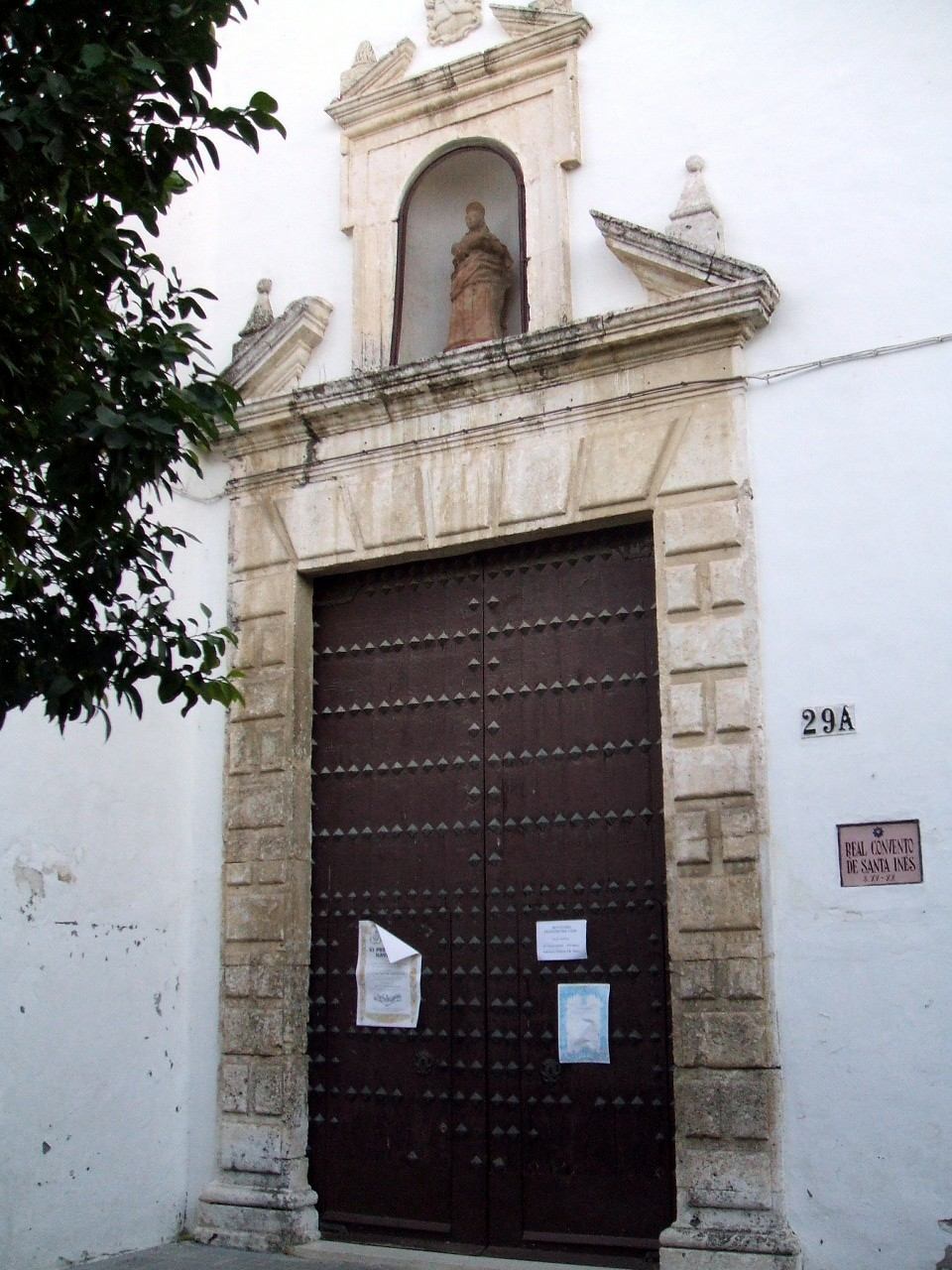
The distinctive facade, built in brick, is flanked by two columns and topped with a pediment and a niche holding an image of the Immaculate Conception. This facade — the portada, or monumental entrance — is protected as a heritage element in its own right, separate from the church, which underlines its architectural value independent of what happened to the rest of the conventual buildings over the centuries.
What is there to see inside?
The church follows a single-nave layout covered by a barrel vault, with lateral chapels opening off it. A domed transept precedes the main chapel. The interior is decorated with Baroque-era plasterwork and mural paintings, among which a depiction of a choir of angels on the choir loft stands out — a decorative motif common in Spanish churches of the period, blending architectural elements with illusionistic painting.
Why was the church granted heritage status?
In 2007, the Andalusian regional government opened proceedings to declare the church of the Limpia Concepción and the facade of the former Discalced Carmelite convent a Bien de Interés Cultural (Asset of Cultural Interest), in the Monument category. The decision recognized the historical and artistic value of the building as a record of Écija's religious architecture from the turn of the 16th and 17th centuries, a period when the city was experiencing a construction boom tied to numerous monastic and church foundations.
Écija, often nicknamed the "city of towers" for its abundance of church belfries, still bears the marks of many such Baroque-era foundations throughout its urban fabric. The Discalced Carmelite church, though less prominent than the city's largest churches, forms an important piece of that architectural mosaic — pairing a modest brick exterior facade with a richly decorated interior.
Frequently Asked Questions
When was the Iglesia de la Limpia Concepción in Écija built? The Discalced Carmelite convent was founded in 1591, and the church itself was built and inaugurated in 1614. The complex continued to expand through the 17th century.
Who founded the convent? It was founded by city councilman Sancho de Rueda and his wife, María de Cárdenas.
What makes the facade notable? The brick facade of the former convent, flanked by two columns and crowned with a pediment and a niche holding an image of the Immaculate Conception, is protected as a distinct heritage element alongside the church itself.
Does the church have legal heritage protection? Yes. In 2007, proceedings began to declare the church and the convent's portada a Bien de Interés Cultural in the Monument category, confirming their historical and artistic significance.
Nearby places

Earn badges for the places you visit
Download NextOnTrip, discover new places and check off your trails.