About this place
Convento de las Teresas, also known as the Iglesia de San José, is a Discalced Carmelite convent in the historic centre of Écija, in the province of Seville. The complex occupies a former Mudejar palace built by the Counts of Palma in the 14th and 15th centuries, making it one of the oldest secular buildings in the city later converted for religious use.
What is the story behind the convent?
Discalced Carmelite nuns moved into the palace around 1630, a change that sparked disputes with the town council, which had previously used the same halls for its meetings. Construction of the convent church began in 1655, funded through public alms and the dowry brought by one of the sisters, Paula de San José. The community has been known locally simply as "las Teresas" ever since, which is where the site's name comes from.
What can you see inside?
Visitors enter through a monumental doorway in a transitional Gothic-to-Renaissance style, decorated with Manueline details rarely found in secular architecture in the region. Several rooms still preserve features from the palace period, including wooden coffered ceilings (artesonados), decorative tilework (azulejos), and plasterwork, offering a glimpse of how a 14th-century noble residence would have looked.
The convent church, added in the 17th century, has a single nave covered by a barrel vault with lunettes, and a half-dome over the presbytery. Its baroque altarpieces include figures of Saint Joseph and the Immaculate Conception produced in the workshop of Seville sculptor Pedro Roldán, a Christ Child attributed to Ribas, and a crucifix linked to the circle of Alonso Cano, one of the most important Spanish baroque artists. Because of its architectural and artistic value, the building holds the status of a Bien de Interés Cultural, Spain's designation for sites of national heritage significance.
How do you get there?
The convent stands on Calle Duque de la Victoria, right in the centre of Écija, a short walk from the Plaza de España and the city's famous baroque church towers. Écija sits on the A-4 motorway between Seville and Córdoba, so it is easily reached by car or regional bus from either city.
When is the best time to visit?
Écija is known for extremely high summer temperatures — locals call it "the frying pan of Andalusia" — so spring and autumn are the most comfortable seasons for sightseeing. The convent remains an active religious community, so access to the interior depends on the church's opening hours and service times; it is worth checking the current schedule locally or with the tourist office before visiting.
Frequently asked questions
Can visitors go inside the convent? The church section is generally open at set hours, while the enclosed cloister area remains off-limits to outsiders, in keeping with the Discalced Carmelite rule.
What makes Convento de las Teresas different from other convents in Écija? Its location inside a 14th-15th century Mudejar palace is unusual — most convents in the city were purpose-built rather than adapted from an existing secular residence.
Where does the name "las Teresas" come from? It's the popular local name for the Discalced Carmelite nuns, a reform order inspired by Saint Teresa of Ávila; residents have used the shorthand for centuries instead of the order's full name.
Does the convent hold works by notable artists? Yes — its altarpieces include pieces linked to the workshop of Pedro Roldán and the circle of Alonso Cano, two of the leading figures of Spanish religious baroque art.
Nearby places
-

Convento de San José
Écija
-
Iglesia de la Limpia Concepción de Nuestra Señora y portada del antiguo convento de los Carmelitas Descalzos
Ecija
-
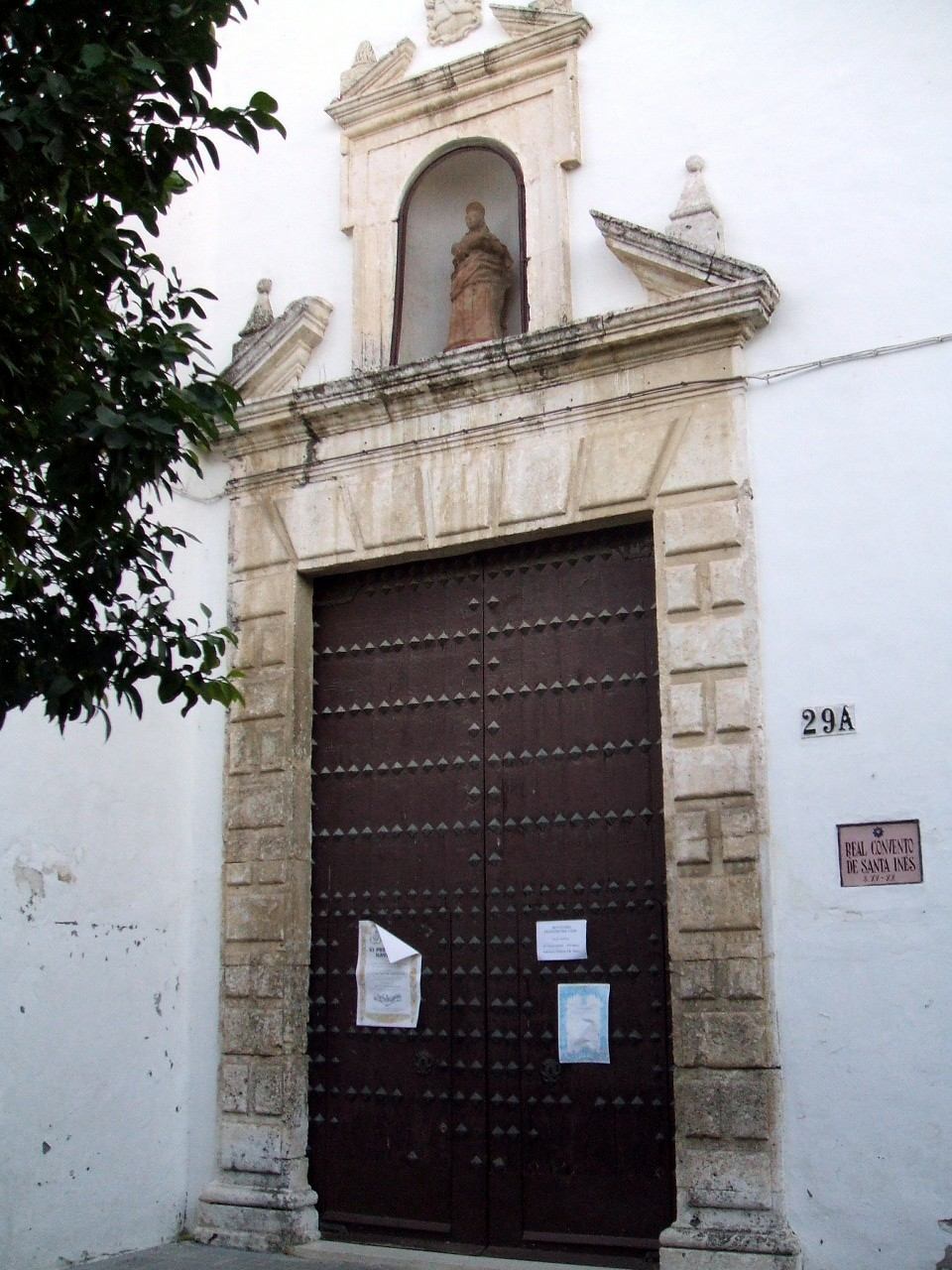
Convento de Santa Inés del Valle
Écija
-
Cruz del Calvario
Montalbán de Córdoba
-
Monasterio de Santa María de las Escalonias
Hornachuelos
-
Iglesia Nuestra Señora de La Purificación
Puente Genil
Earn badges for the places you visit
Download NextOnTrip, discover new places and check off your trails.