About this place
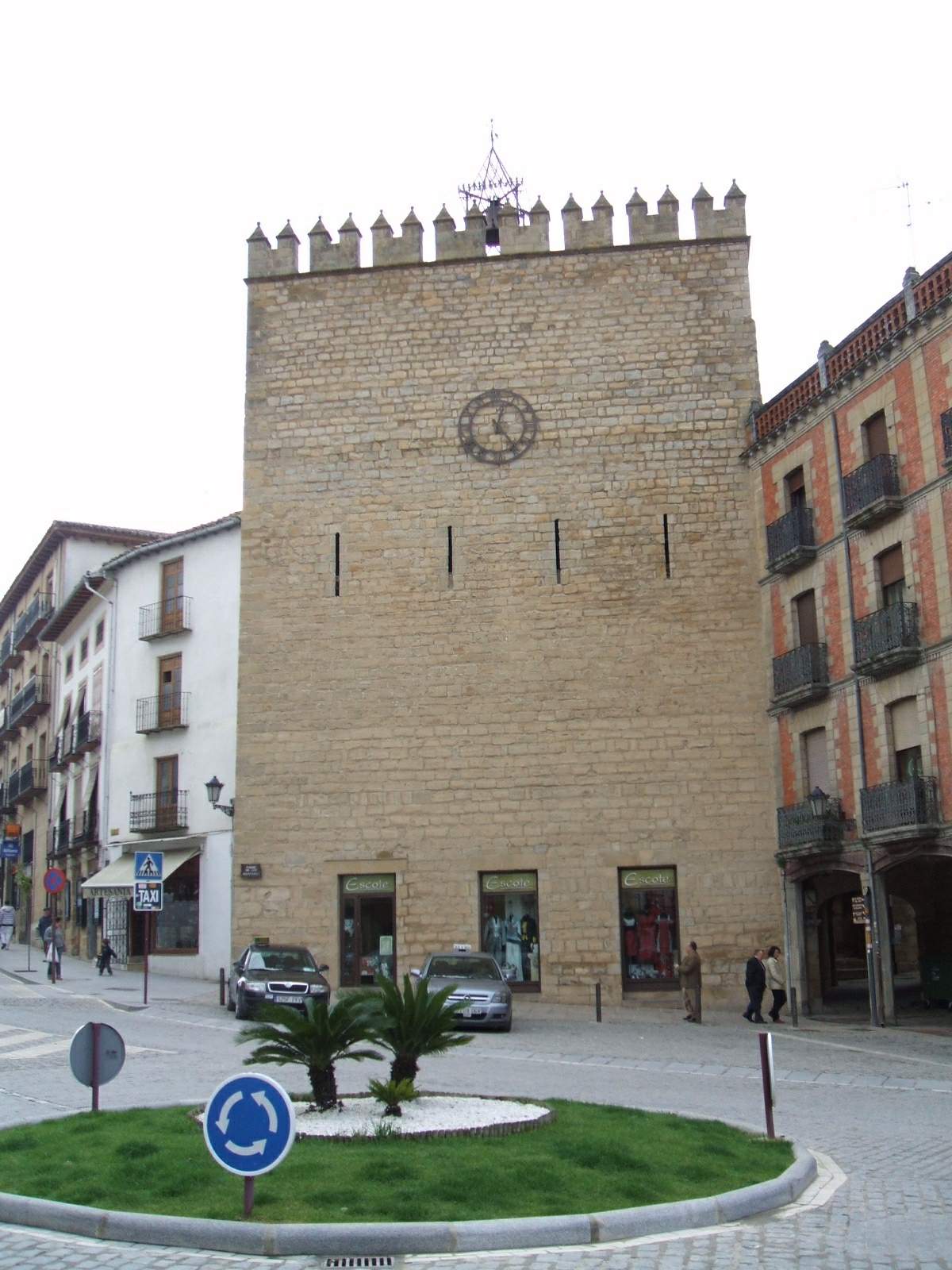
The old town hall of Ibros, known locally as the Antiguo Ayuntamiento, is a historic municipal building in the small town of Ibros, in the province of Jaén, Andalusia. It stands in the compact historic core of the town, within the Alto Guadalquivir valley, an area covered by the olive groves typical of this part of Spain. The building has kept part of its original façade and is one of the stops travellers make while walking through Ibros's old quarter.
Where is the Ibros town hall located?
The old town hall sits in Ibros's historic centre, within easy walking distance of the town's other landmarks. Ibros itself is a small municipality in Jaén province, sitting between Baeza and Linares — two larger towns better known for Renaissance architecture and industrial history. Ibros's own roots go back much further, and that older history is what draws most visitors here in the first place.
Why do visitors come to Ibros?
The Iberian cyclopean walls
Local historians trace Ibros back to an ancient Oretani settlement called "Ibes" or "Ibris," a name said to derive from a legendary Iberian king. That era left the town's best-known monument: a cyclopean wall, a surviving section of a rectangular fortification raised to control the upper Guadalquivir valley. Its stone blocks run nearly four metres long and more than a metre and a half thick, fitted together without mortar. The wall was declared a Monumento Nacional in 1931 and restored in 1987 by Andalusia's regional cultural authority.
Roman and Islamic traces
Archaeological finds across the municipality point to substantial settlement during the Roman period. From the Islamic era, two inscriptions survive: a funerary slab dated to 1025, and a second, from the 12th century, now held at the Museo Provincial de Jaén. Together, these finds show a town occupied continuously across several successive civilisations.
What else is worth seeing nearby?
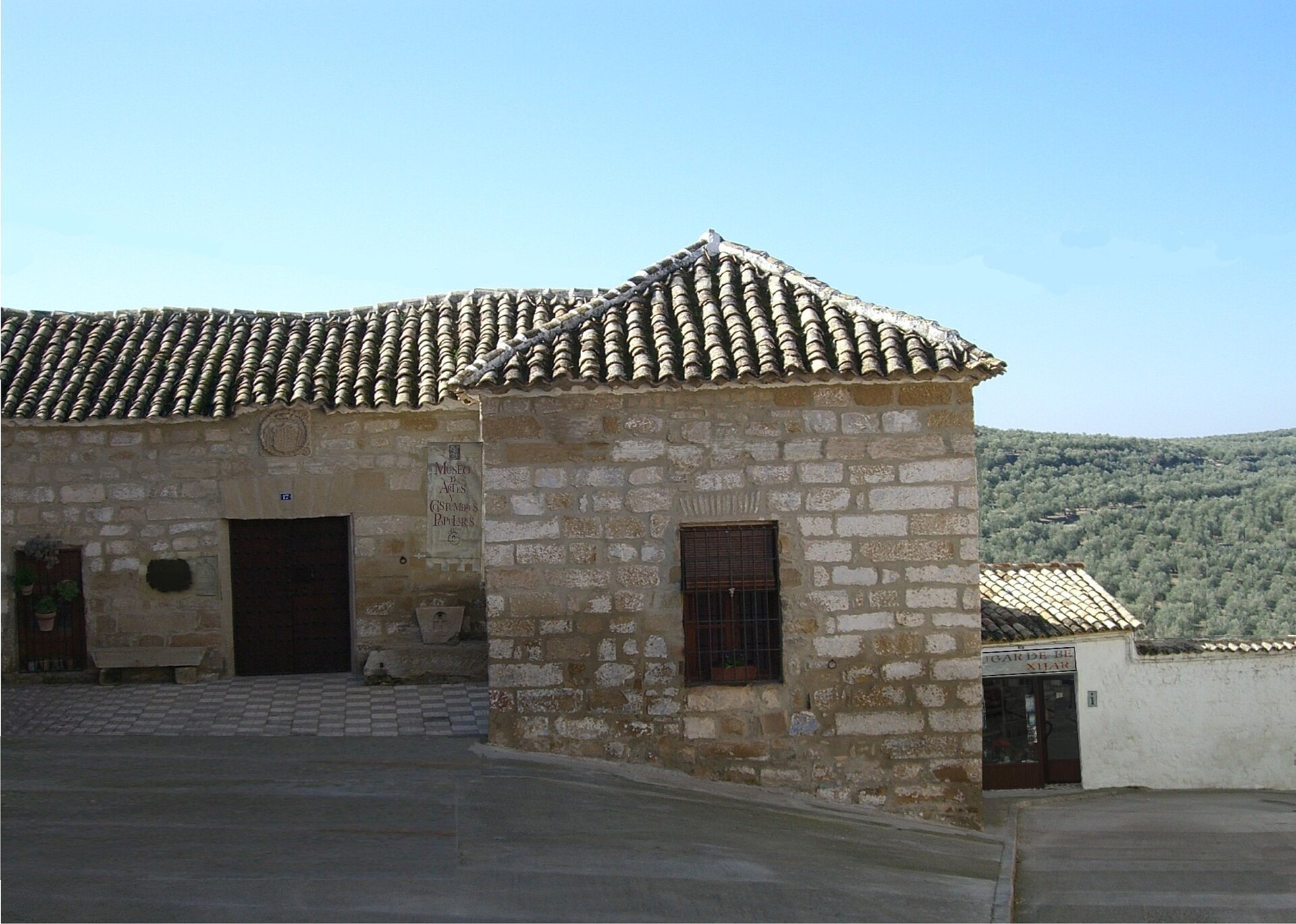
A visit to the old town hall pairs naturally with a short walk through the historic centre, where the remains of the cyclopean wall and the town's traditional small-scale architecture are both visible. Ibros also makes a convenient base for exploring Baeza and Úbeda, two nearby UNESCO World Heritage towns celebrated for their Renaissance architecture.
Frequently Asked Questions
What is the Antiguo Ayuntamiento in Ibros? It is the town's historic former town hall building, which has retained part of its original façade and remains a point of interest in Ibros's old centre.
What is Ibros best known for besides its old town hall? The town is best known for its Iberian cyclopean wall, protected as a Monumento Nacional, along with archaeological evidence of Roman and Islamic settlement found within its boundaries.
How do you get to Ibros? Ibros lies in Jaén province, close to both Baeza and Linares, making it an easy addition to a longer trip through the region.
Is it worth combining Ibros with other nearby sights? Yes — its proximity to Baeza and Úbeda, both UNESCO-listed for their Renaissance architecture, makes it possible to plan a single day trip covering several historic towns in Jaén province.
Nearby places

Earn badges for the places you visit
Download NextOnTrip, discover new places and check off your trails.