About this place
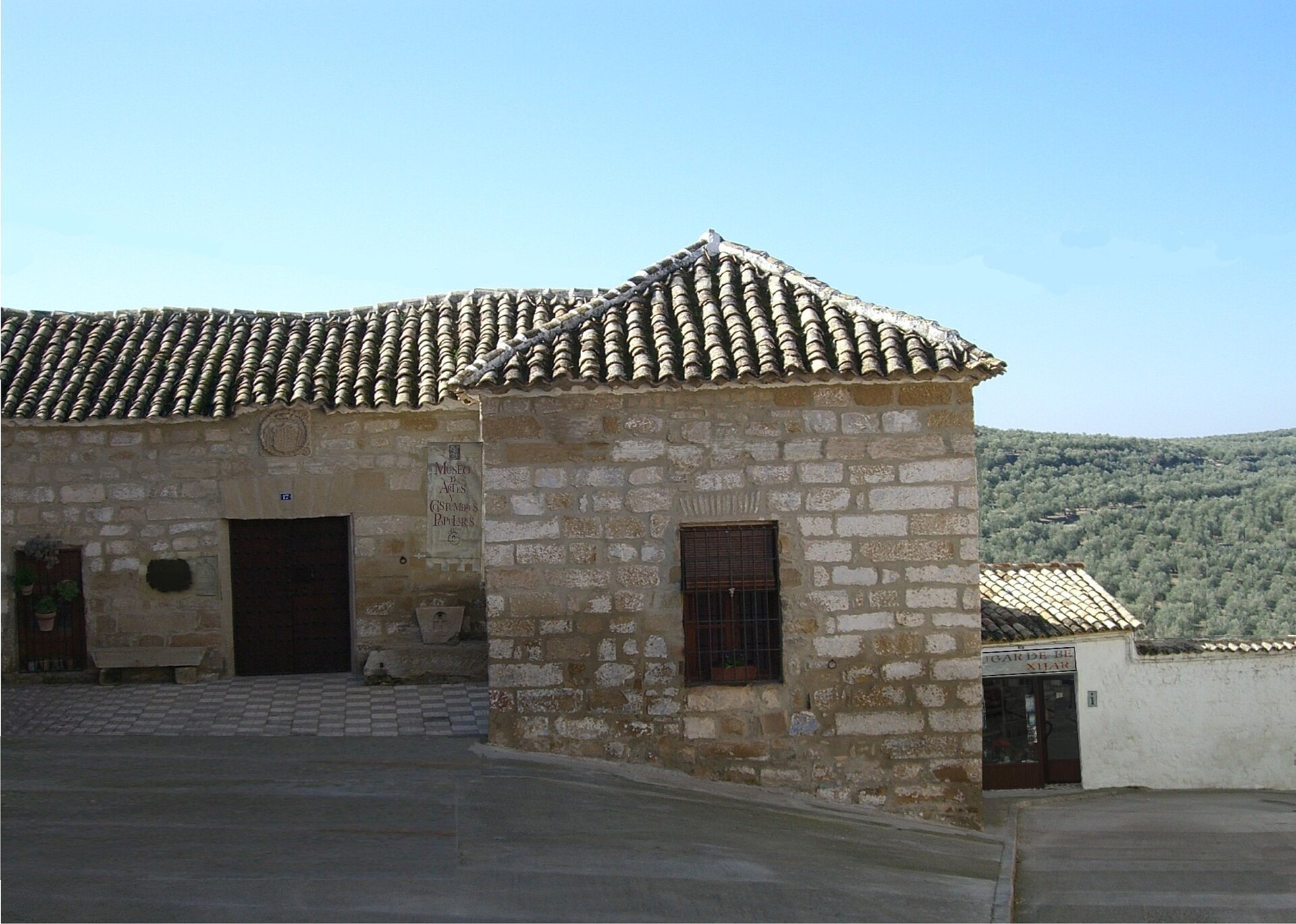
The Episcopal Palace of Begíjar is a Renaissance residence in the small town of Begíjar, in the province of Jaén, in Andalusia's La Loma y Las Villas region. Built between 1505 and 1510 on the site of an earlier medieval fortress, it is considered one of the earliest examples of Renaissance architecture on the Iberian Peninsula.
How did a fortress become a bishop's palace?
Begíjar was, for centuries, caught up in disputes over jurisdiction. That dispute was settled in 1477, when the Catholic Monarchs recognized the diocese of Jaén's ownership of the town. From that point, the existing fortress was gradually transformed into a palace — the seat of the bishops of Jaén, who used Begíjar as one of their key strongholds while rebuilding church structures in the province after the period of Arab rule. The bishops kept the palace as one of their principal residences until the 19th century.
What will you see there?
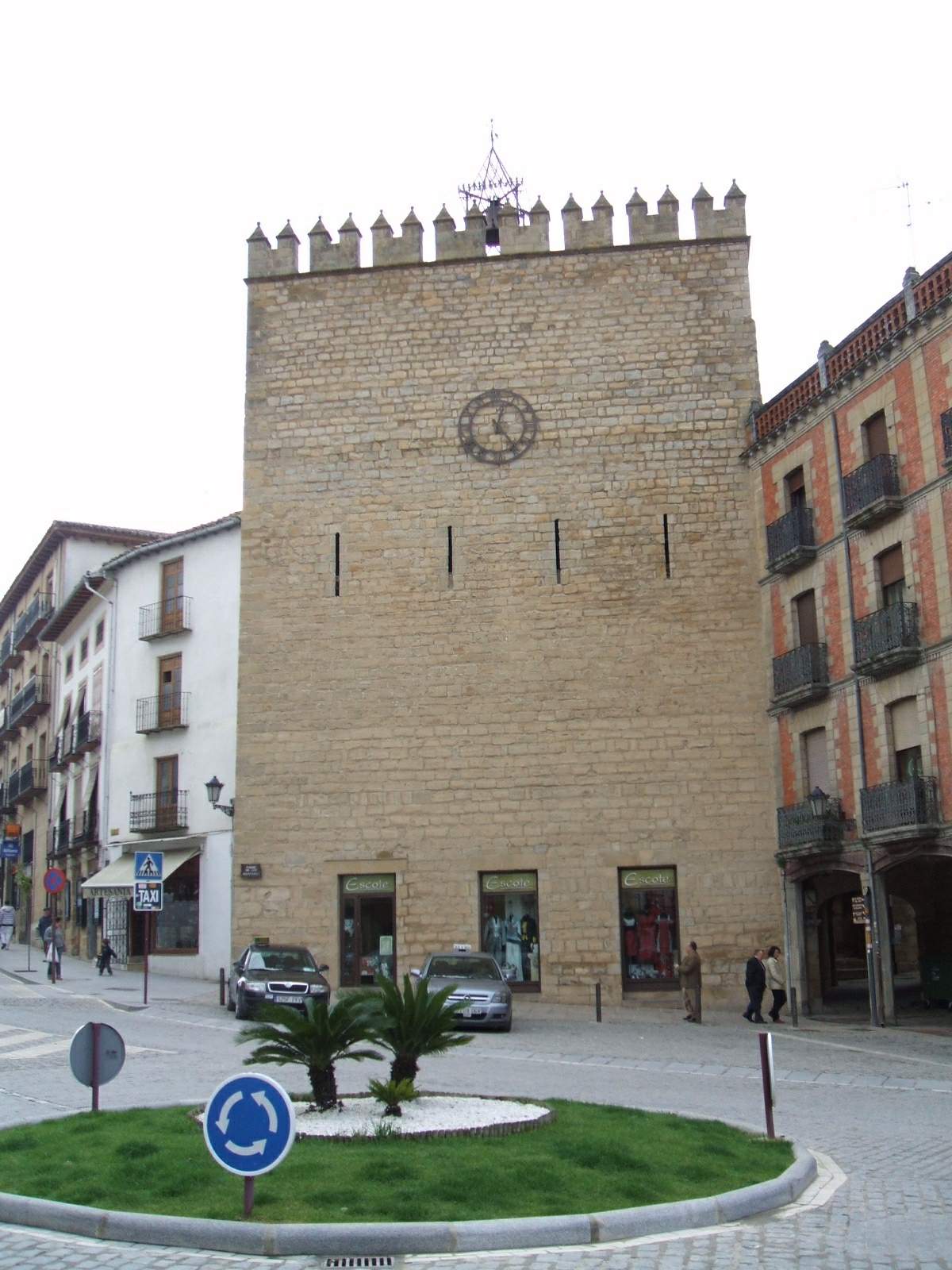
The palace follows an L-shaped floor plan, with a regular ashlar stone facade. The main doorway is topped by a lintel bearing the heraldic shield of Bishop Fray Benito Marín, a detail that makes the main facade easy to identify. The building sits right in the heart of Begíjar's historic quarter, just a few meters from the Church of Santiago Apóstol and from the 11th-century tower of Begíjar Castle — a structure older than the palace itself, and a reminder of the site's earlier defensive role. It's worth walking around the exterior to take in the stone facade and the coat of arms above the portal, then continuing on to the tower and the church; the three sites form a compact historic ensemble that can be covered on foot in a short visit.
Who has stayed here?
Over the centuries the palace has hosted a number of notable guests, including King Philip II and the writer Miguel de Cervantes Saavedra. That guest list underscores how significant a stop the bishops' residence in Begíjar was on the map of Jaén province, despite the modest size of the town itself.
How to get there and when to visit?
Begíjar lies in the province of Jaén, in Andalusia, and is best reached by car — the town sits on the routes connecting Jaén with Úbeda and Baeza, the region's two major Renaissance cities, both listed as UNESCO World Heritage Sites. Pairing a visit to Begíjar with a trip to either city makes sense, since the distances are short. Given the climate of inland Andalusia, spring (March to May) and autumn (September to November) are the most comfortable seasons for walking through the historic center. Summers in the region can get very hot, so it's worth planning any midday sightseeing around that.
Protected status
The Episcopal Palace of Begíjar was declared a Cultural Heritage Asset (Bien de Interés Cultural) in 1985, and since 2002 it has carried additional protection under the town's municipal planning regulations. That status has helped keep the building in good condition to this day.
Frequently asked questions
Can you go inside the palace? The building is primarily viewed as a historic monument from the outside — the key features, such as the facade and the coat of arms of Bishop Fray Benito Marín, can be seen from the street in the center of Begíjar.
How long does a visit take? The palace, together with the neighboring Church of Santiago Apóstol and the castle tower, can be seen in about 30 to 45 minutes, making it a convenient stop on a route through Jaén province.
Is it worth combining with other sights? Yes — Begíjar is close to Úbeda and Baeza, the UNESCO-listed Renaissance cities, so a day trip can easily take in several sites from the same period.
Why is the palace historically significant? It marks the moment the local fortress passed into the hands of the bishops of Jaén after 1477, and it stands as one of the earliest examples of Renaissance architecture in Spain — one whose walls hosted guests such as Philip II and Miguel de Cervantes.
Nearby places

Earn badges for the places you visit
Download NextOnTrip, discover new places and check off your trails.