About this place
The hórreo in Seville is a small but distinctive piece of regional architecture that introduces visitors to a building tradition from the north of Spain — one that stands in sharp contrast to the Andalusian surroundings of the city. It's worth a short stop, since it's an unusual chance to see a structure normally associated with Galicia and Asturias rather than the south of the country.
What exactly is a hórreo?
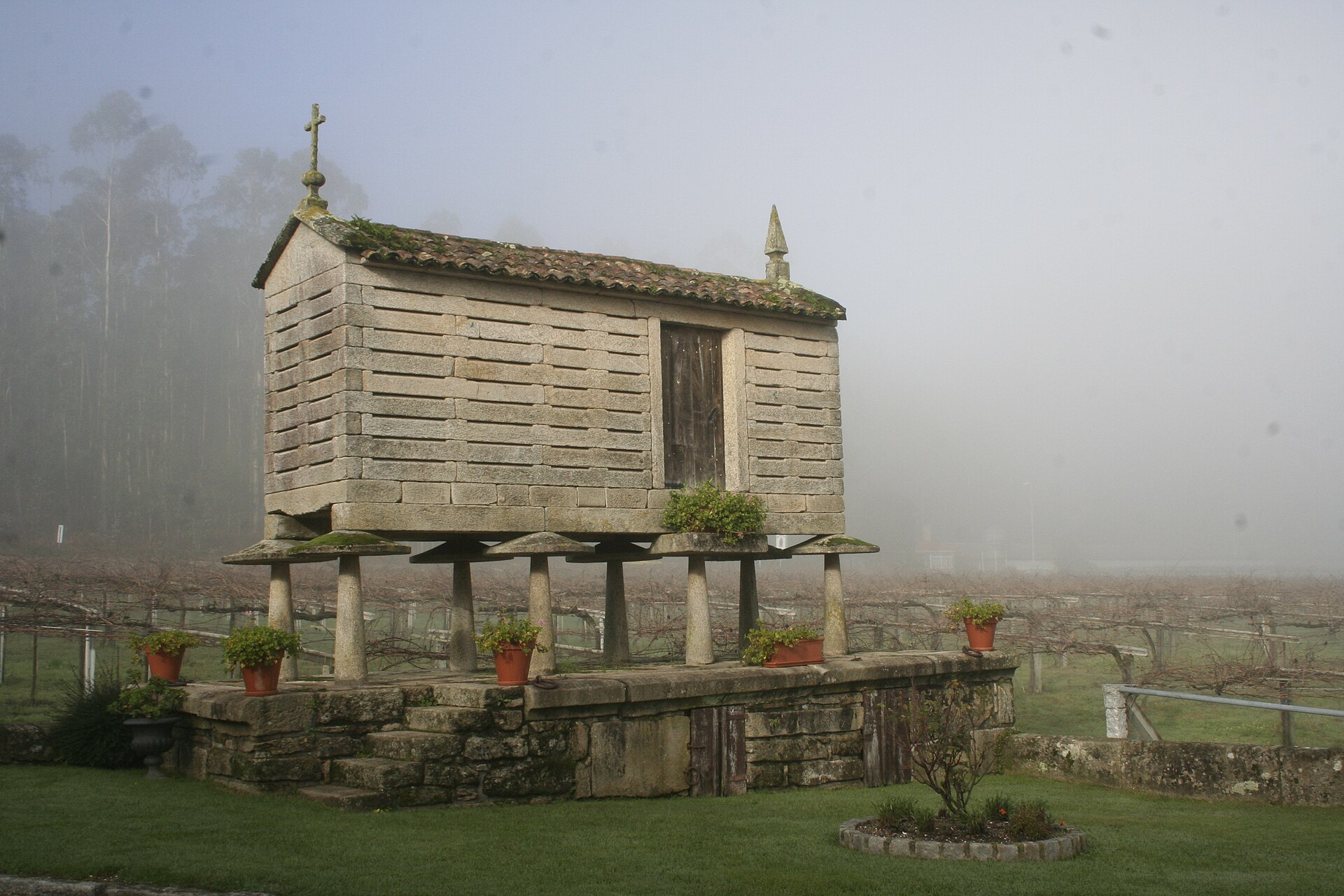
A hórreo is a traditional agricultural granary built for centuries across the Iberian Peninsula to store and preserve food, primarily grain, away from moisture and animals. The structures were built from stone, wood, or brick, and their most recognizable feature is a set of pillars topped with flat staddle stones, which physically stop rodents from climbing up into the storage chamber. The walls are fitted with narrow ventilation slits that keep air circulating so the stored grain stays dry and doesn't spoil.
This construction style developed mainly in Galicia and Asturias, but examples are also found in León, Zamora, Cantabria, the Basque Country, Navarre, and northern Portugal. That strong regional identity is exactly what makes the hórreo in Seville — a thoroughly Andalusian city — an interesting architectural curiosity and a useful point of comparison between Spain's different regional building traditions.
How do you get there?
Seville has a compact center that's easy to explore on foot, by tram, or by city bus. Most tourist sights, including displays of regional architecture, sit within walking distance of the city's main landmarks, such as the cathedral or the Plaza de España. If you're planning to see several sights in one day, it makes sense to pair a visit to the hórreo with a walk through the nearby parks and historic quarters — a typical way for visitors without a car to see Seville.
What will you see on site?
The main draw here is the structure itself: the way it's raised off the ground, the distinctive pillars topped with stone "caps" designed to keep rodents out, and the carefully placed narrow openings that ventilate the interior. Every element of the design — the materials, the proportions, the elevation — answers a specific practical need: protecting stored food from damp, pests, and spoilage. Seen up close, the hórreo looks strikingly different from the typical Andalusian buildings around it in Seville, which is exactly what makes it a memorable stop while exploring the city.
When should you visit?
Seville is known for extremely high summer temperatures, so the most comfortable time to walk around the city and visit sights like the hórreo is spring (March–May) or autumn (September–November), when conditions are far more pleasant for exploring on foot. Visiting in the morning also helps you avoid both the midday heat and the crowds in the city's busiest areas.
Frequently asked questions
How is a hórreo different from an ordinary granary? The key difference is the raised design: pillars topped with flat staddle stones that physically block rodents from climbing in, combined with narrow ventilation slits that prevent moisture buildup — solutions developed specifically for long-term grain storage.
Is a hórreo a typical building for Seville? No — this architectural form comes mainly from Galicia, Asturias, and neighboring regions of northern Spain and Portugal, which is why finding one in Seville is unusual and makes for an interesting contrast with the local building style.
What materials were hórreos built from? Traditionally stone, wood, or brick, depending on the region and the materials available locally.
What was the hórreo used for? It was used to store and preserve food, mainly grain, protecting it from moisture and animals by keeping it raised off the ground and well ventilated.
Nearby places

Earn badges for the places you visit
Download NextOnTrip, discover new places and check off your trails.