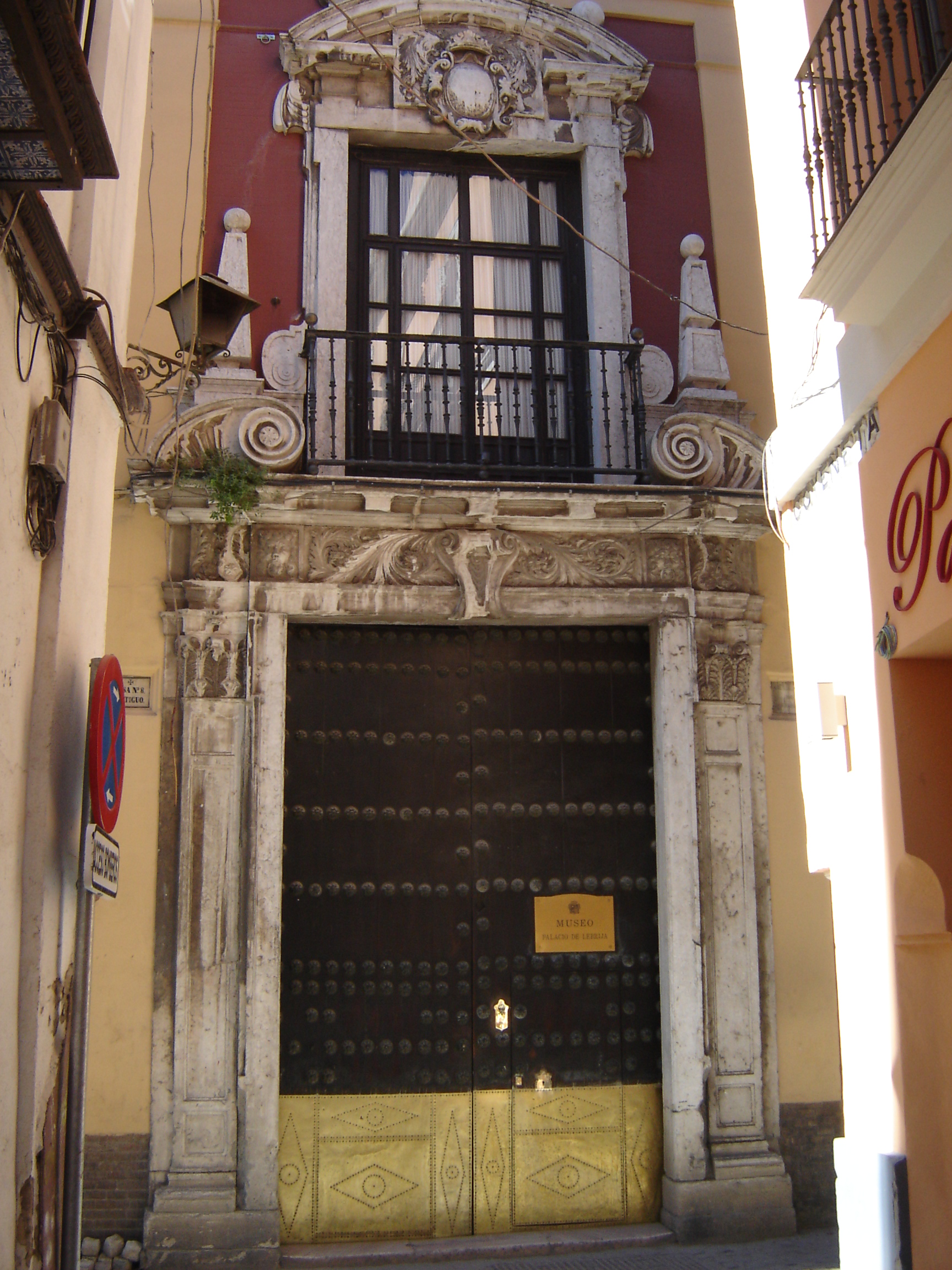
About this place
Palacio de la Condesa de Lebrija is a 16th-century house-museum in Seville, celebrated for one of the largest private collections of Roman mosaics in the world. The building stands on Calle Cuna, one of the busiest streets in the historic center, running parallel to the famous Calle Sierpes.
Where does the palace's name come from?
The name comes from Regla Manjón Mergelina, Countess of Lebrija, who bought the family house in 1901 and spent the following thirteen years remodeling it to her own vision. A passionate archaeologist, she became the first woman admitted to the Real Academia de Bellas Artes de Santa Isabel de Hungría and to the Real Academia de Bellas Artes de San Fernando in Madrid. It was her decision to turn the ground floor into a showcase for ancient mosaics.
What makes this building so unusual?
The ground floor is covered by roughly 580 square meters of Roman floor and wall mosaics, which is why the palace is often described as the best-paved house in Europe. The countess assembled the collection at the turn of the 19th and 20th centuries, combining pieces bought from antique dealers with mosaics excavated on her own estates.
What should visitors look for in the central patio?
The heart of the palace is a patio ringed by arches on marble columns, decorated with elaborate Mudéjar plasterwork (yeserías). The patio floor holds a mosaic dated to the 2nd-3rd century AD, found on former olive-grove land near Itálica, the Roman city just outside Seville. Its central medallion shows the god Pan playing his flute for Galatea, with whom he is in love. Eight surrounding medallions depict the amorous adventures of Zeus, while the corners hold personifications of the four seasons.
How is the palace organized for visitors?
The palace still operates as a house-museum, so its rooms keep the character of a private residence from a century ago, filled with furniture, ceramics and objects gathered by the Lebrija family. A visit to the mosaic-covered ground floor can be paired with the upper floor, where further pieces of the collection are displayed. Its location in the very center of Seville, close to Plaza Nueva and the cathedral, makes it easy to fit into a walk through the old town.
Why is Palacio de la Condesa de Lebrija worth a visit?
It offers a rare chance to see authentic Roman mosaics not behind museum glass but in their original use, as the floors of a lived-in residence. The mix of Mudéjar architecture, Renaissance-era elements and ancient mosaics creates an interior unlike anything else in the city.
Frequently Asked Questions
Where exactly is the palace located? On Calle Cuna in Seville's historic center, parallel to Calle Sierpes, within easy walking distance of the cathedral and Plaza Nueva.
Where do the mosaics in the palace come from? Most of the collection was assembled by the Countess of Lebrija around the turn of the 19th and 20th centuries; some mosaics came from excavations on her own estates, others from antique dealers. The central patio mosaic was found near the Roman city of Itálica.
What does the mosaic in the central patio depict? The god Pan playing his flute for Galatea at the center, eight medallions showing the amorous adventures of Zeus, and personifications of the four seasons in the corners.
Does the palace still function as a museum? Yes, it operates as a house-museum, displaying both the Roman mosaics on the ground floor and the Lebrija family's residential interiors upstairs.
Nearby places

Earn badges for the places you visit
Download NextOnTrip, discover new places and check off your trails.