About this place
Het Steengelaag is a nature area right in the center of Stekene, a municipality in the Belgian province of East Flanders, located just behind the old railway station. Built on the site of former clay pits, it is now one of the most appealing spots for a walk in the area and is easy to reach for both locals and visitors.
Where does the name come from?
The name Steengelaag points directly to the site's industrial past. Clay extraction began here around 1880 to supply a nearby brickworks, and quarrying continued until 1979, when the factory finally closed. Once digging stopped, the abandoned pits gradually filled with water and became overgrown, giving rise to the natural landscape visitors see today. In 1981 the area was granted protected landscape status, which helped preserve its character for the decades that followed.
What can you see at Steengelaag?
At the heart of the area lie three sizeable bodies of water: Grote Vijver, Jongste Kleiput and Oudste Kleiput, all remnants of the former clay workings and now home to waterfowl. Around them stretch wet swamp forests, including alder stands, alongside flower-rich hay meadows that turn colorful in summer. The site's mix of habitats supports a wide range of plants and animals typical of wetland areas in northern Belgium.
How can you explore the area?
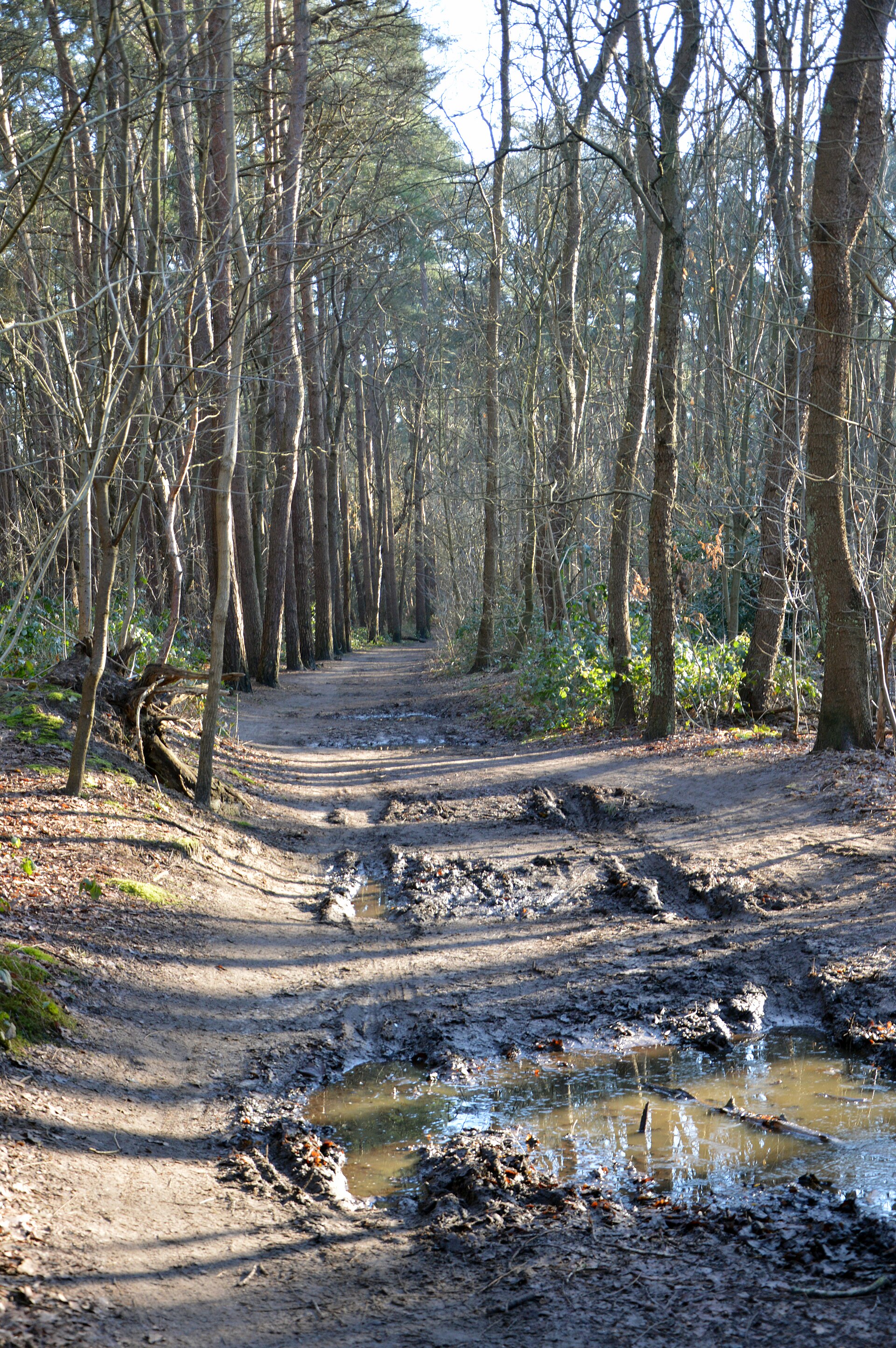
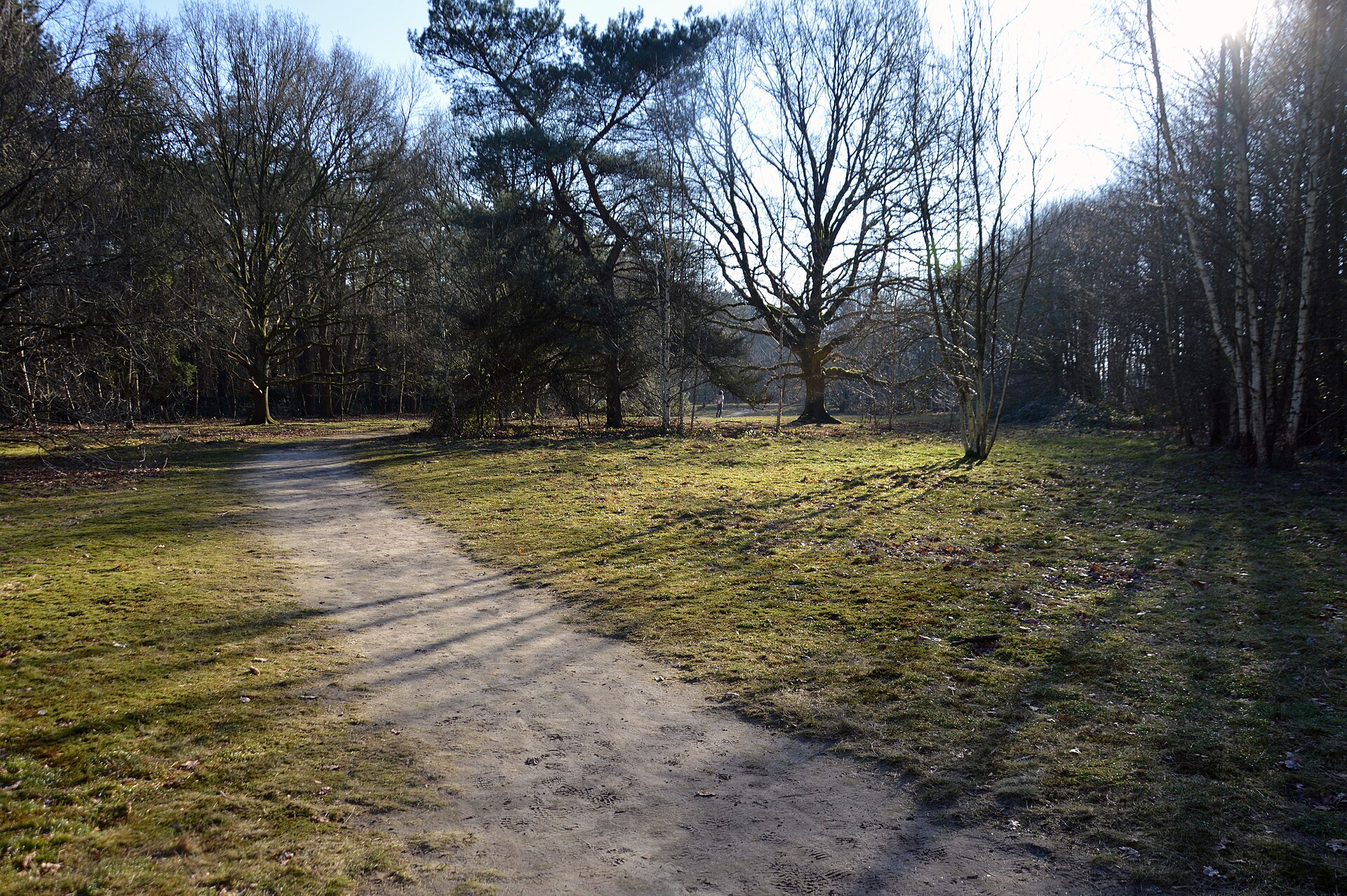
Het Steengelaag is freely accessible to the public, with the main entrance located behind the former station building, which now serves as the municipality's community meeting center. A roughly two-kilometer walking path winds through the site, passing the most scenic viewpoints and looping around all three water bodies along with the surrounding forest and meadows. The walk requires no special preparation, making it suitable for families as well as nature lovers looking for a quiet spot close to the town center.
Who manages the nature area?
The land is owned by the municipality of Stekene, while day-to-day nature management has been handled since 1992 by the local branch of Natuurpunt, known as Natuurpunt Waasland-Noord. This partnership has helped the site retain its ecological richness despite its industrial origins, turning former clay pits into a valuable habitat.
Frequently asked questions
Is there an entrance fee for Het Steengelaag? No, the area is freely accessible to walkers year-round, with no admission charge.
How long does it take to walk the whole area? The main path covers about 2 kilometers, which typically takes 30 to 45 minutes at a relaxed pace, depending on how many stops you make at the viewpoints.
Can you spot waterfowl at Steengelaag? Yes, the three water bodies — Grote Vijver, Jongste Kleiput and Oudste Kleiput — attract waterfowl, making the area appealing for nature watchers.
Where do the ponds in Steengelaag come from? They are former clay pits left behind by extraction carried out from 1880 to 1979 for a local brickworks; once digging ended, the pits filled naturally with water.
Nearby places

Earn badges for the places you visit
Download NextOnTrip, discover new places and check off your trails.