About this place
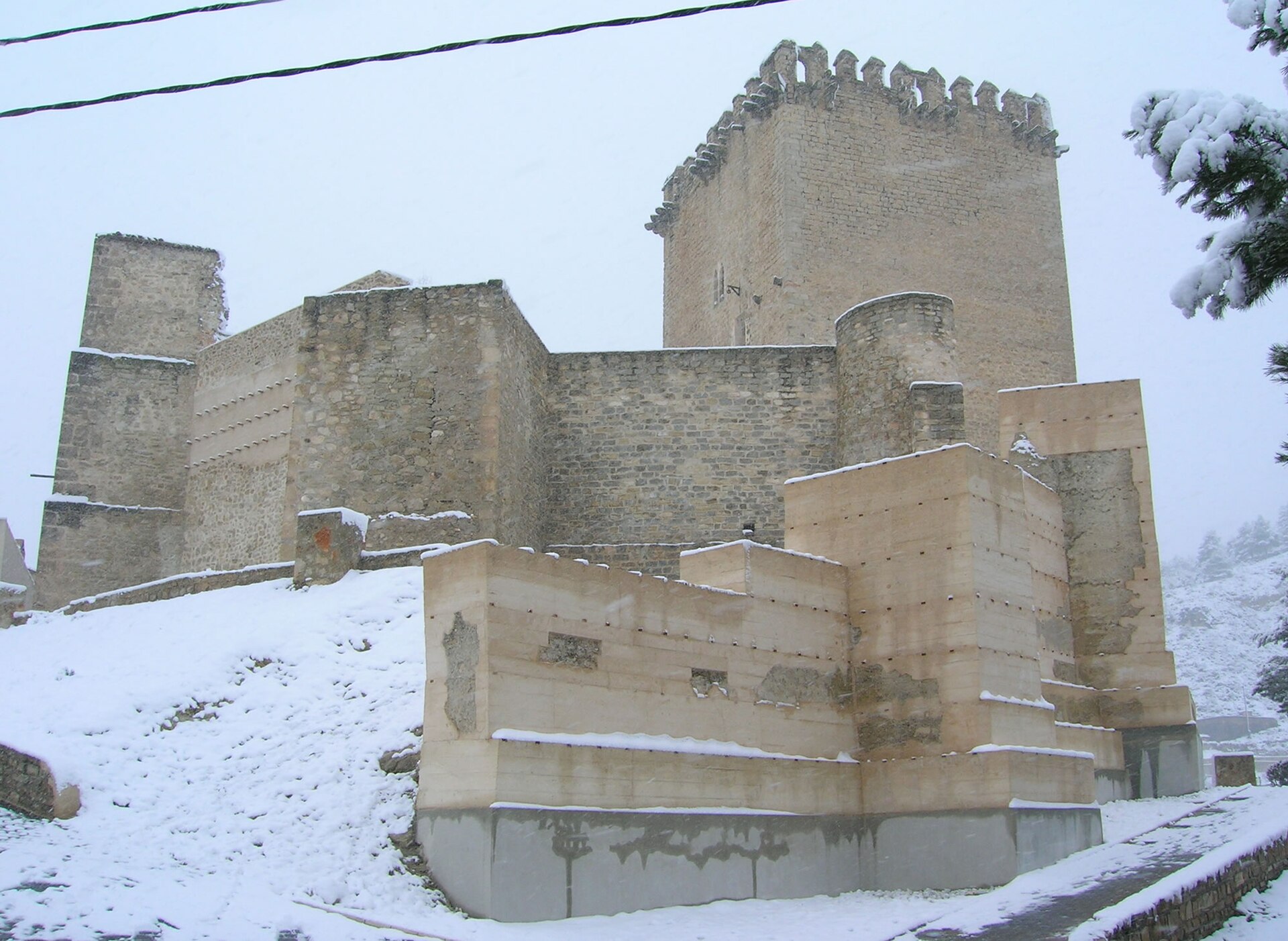
Fortaleza el Castellar is a medieval fortress ruin overlooking the town of Bullas, in the Murcia region of southeastern Spain.
What is the history behind the fortress?
The fortification was built between the 12th and 13th centuries, before the Castilian conquest, and traces its origins to the Muslim period. It stands on a rise of the Peña Rubia mountain, in a location chosen for its strategic value: from its walls, defenders could keep watch over Bullas as well as the nearby towns of Cehegín and Mula, controlling the valley of the Mula River that runs at the foot of the hill. Following the Mudéjar revolt of 1264–1266 against Castilian rule, the fortress and its surrounding lands were granted to the Order of the Temple. When that order was dissolved, its possessions, Castellar included, passed to the Order of Santiago in 1310. By that point, the entire territory of Bullas had largely become depopulated. Given the difficulty of defending the site and the poor state of its structures, the fortress was eventually abandoned and left to decay.
Very little of the original structure survives today. The most recognizable remains are the wall foundations that once supported a square tower, though the poor state of preservation makes it difficult to read the full layout of the original fortifications. Despite this, the site holds real historical value: in 1997, Fortaleza el Castellar was declared a Bien de Interés Cultural (Site of Cultural Interest), confirming its standing among the medieval defensive monuments of the Murcia region.
How do you get there?
The ruins sit on a hilltop on the outskirts of Bullas and can be reached on foot via a trail starting from the town, listed among the local hiking routes of the area. Because the site sits on elevated ground, comfortable footwear is recommended; the fortress grounds themselves are open and unfenced, as is typical for outdoor archaeological ruins.
What else is worth seeing nearby?
Bullas sits at the heart of a wine region with its own Denominación de Origen, granted in 1994, which also covers neighboring municipalities such as Mula, Cehegín and Caravaca. Vineyards here grow at altitudes up to 600 meters above sea level, benefiting from a mild Mediterranean climate with average annual temperatures just over 15°C. The old town itself preserves more than 200 traditional wine cellars, many dating from the 18th and 19th centuries, and the Wine Museum, housed in a restored old winery, guides visitors through the history of local winemaking from Roman origins to modern production techniques. It makes a natural complement to a visit to the historic fortress, linking the region's medieval past with its present-day wine identity.
When is the best time to visit?
The mild Mediterranean climate makes the area around Bullas suitable for visiting year-round, though it's worth noting that the fortress grounds are exposed and offer little shade, which can mean high midday temperatures in the height of summer.
Frequently Asked Questions
Can the fortress be visited independently? Yes, the ruins sit on open ground and are freely accessible without a guide.
Where does the name Castellar come from? The name reflects the site's original function as a castellum — a fortified watch and defense point, typical of fortifications built during the period of Muslim rule on the Iberian Peninsula.
Can you see the surrounding towns from the fortress? Yes, its position on Peña Rubia historically provided visibility toward Bullas, Cehegín and Mula, which was central to its defensive role.
What else should you see in Bullas besides the fortress? The Wine Museum is worth a visit, along with tasting local wines under the Denominación de Origen Bullas label and exploring the historic wine cellars in the old part of town.
Nearby places

Earn badges for the places you visit
Download NextOnTrip, discover new places and check off your trails.