About this place
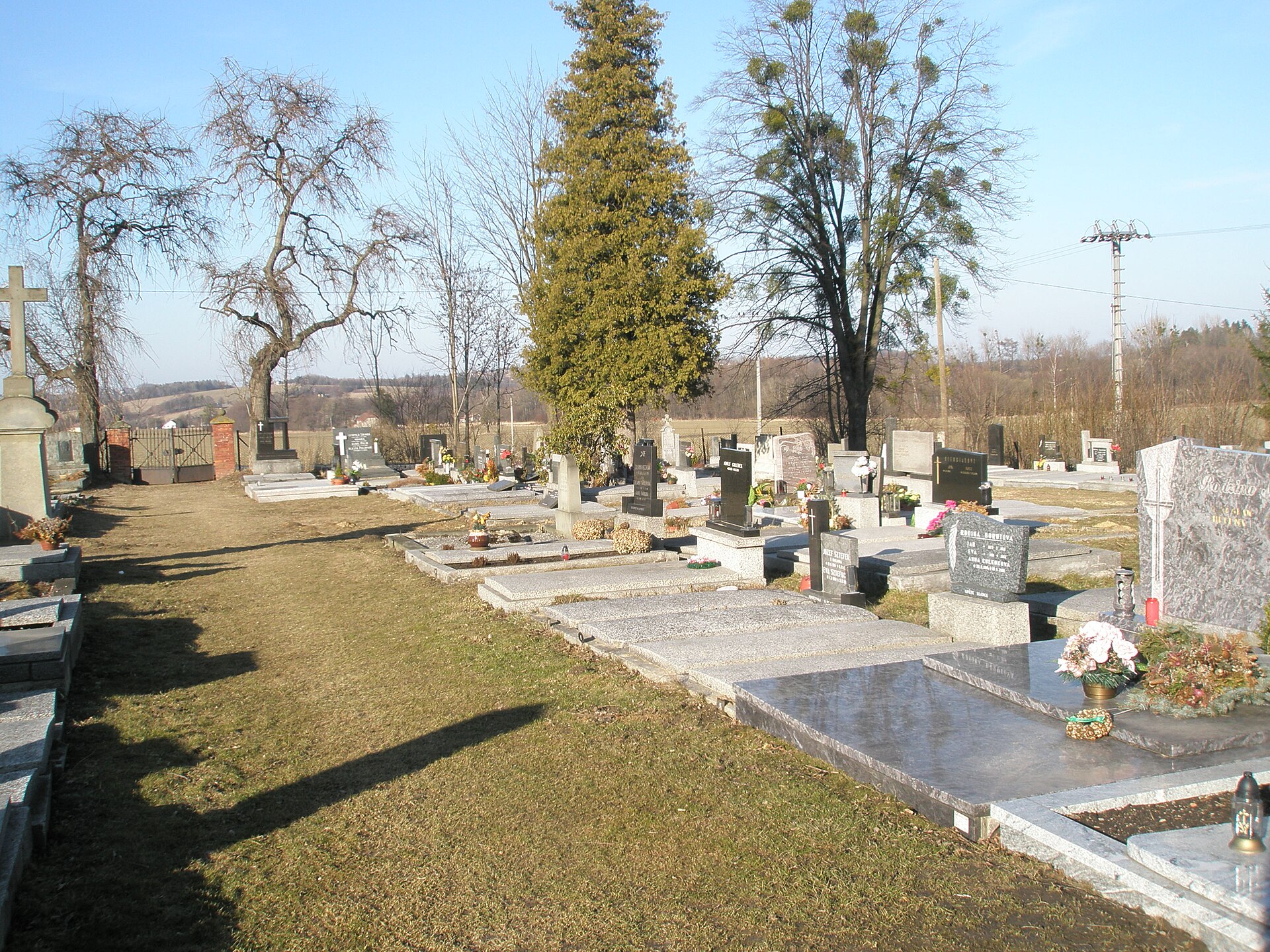
The Evangelical cemetery in Třanovice is a small but historically significant burial ground in the village of Třanovice (Polish: Trzanowice) in Cieszyn Silesia, in the Frýdek-Místek district near the Czech-Polish border. It belongs to the local congregation of the Silesian Evangelical Church of the Augsburg Confession, one of the two traditional denominations of the Zaolzie region, where Protestants and Catholics, Poles and Czechs, have lived side by side for centuries.
When was the cemetery established?
The cemetery was founded in 1858 to serve the local Evangelical community, which until then had to bury its dead outside the village, in neighboring parishes. An ossuary was built alongside it — a utilitarian structure typical of rural cemeteries of the period, used for storing remains during maintenance work and for short funeral ceremonies before the community had a church of its own.
How did the ossuary become a church?
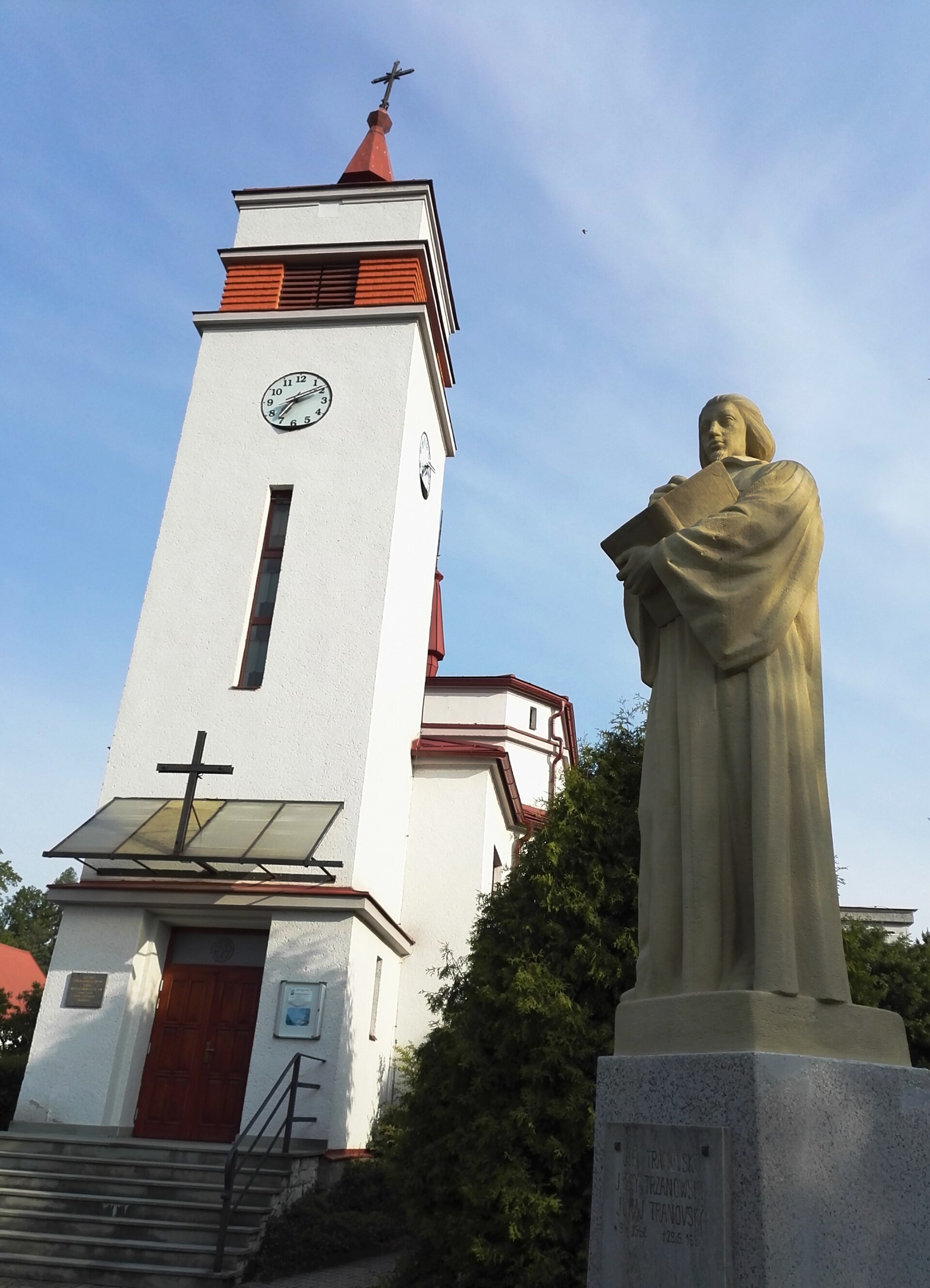
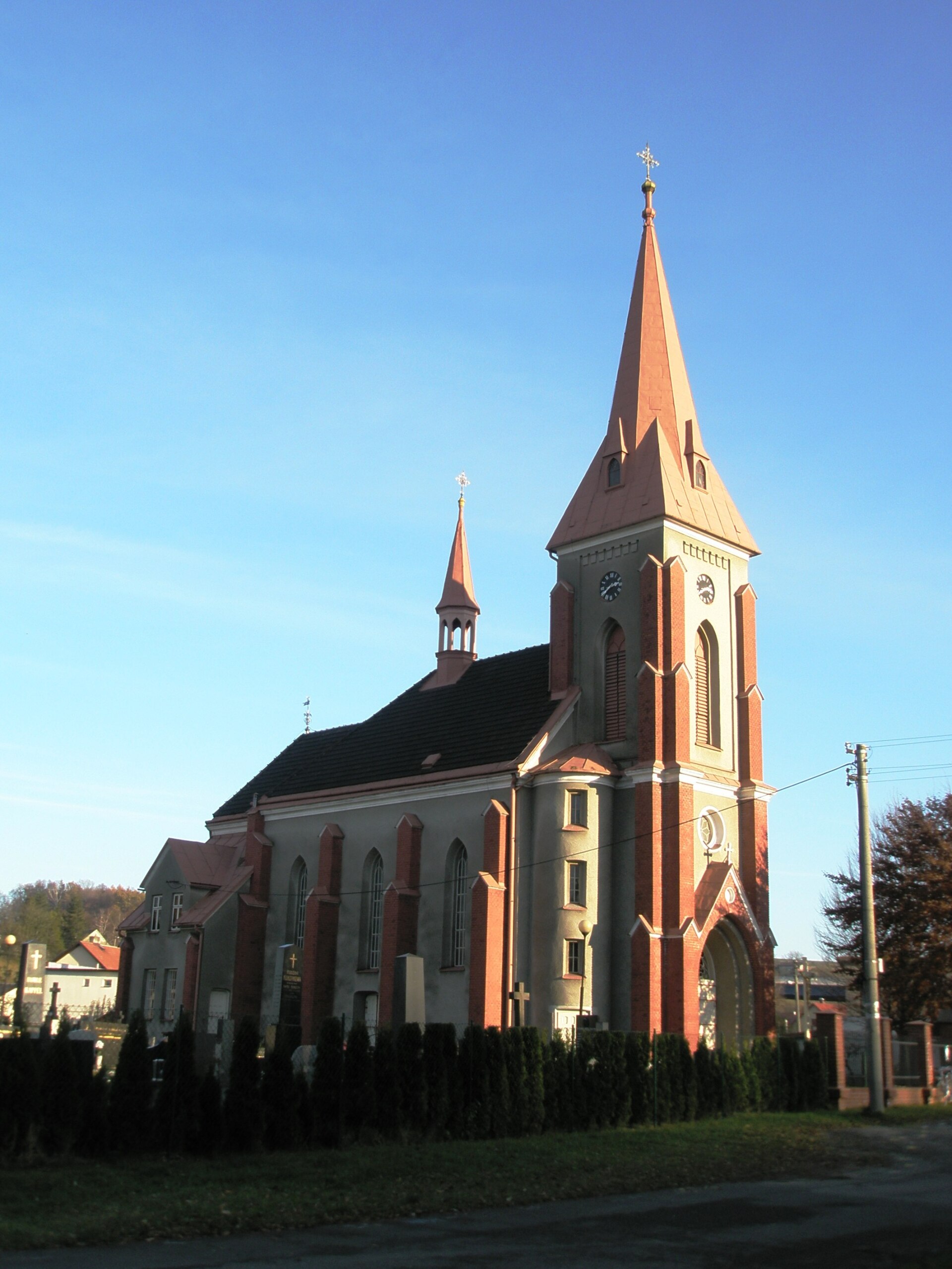
The site's history shows how gradually the local congregation grew. As early as January 7, 1894, the cemetery board decided to expand the ossuary into a chapel where services could be held directly at the burial ground. The funds raised for the project were lost in 1915, however, when they were confiscated by the state as a war loan during the First World War, delaying the plans for over a decade. Only in 1927 did the congregation take a new, more ambitious decision: instead of a modest chapel, it resolved to build a full-sized church. The cornerstone was laid on September 8, 1929, and the finished building opened on September 13, 1931. The design came from Tadeusz Michejda, a Cieszyn-based architect known for several other Evangelical churches in Cieszyn Silesia, built in a similarly restrained, interwar modernist style.
Who did the congregation answer to at first?
Before Třanovice became an independent parish, the local cemetery and the church rising beside it fell under the jurisdiction of the congregation in Český Těšín, the largest and oldest Evangelical community on the Czech side of Cieszyn Silesia. Only over time did Třanovice become a self-standing parish, serving worshippers from the surrounding villages as well.
What can be seen at the cemetery today?
The grounds preserve the graves of local clergy and villagers, including that of pastor Jan Drózd, a figure tied to the history of the local congregation. The cemetery's layout is plain and largely free of ornate monuments, reflecting the Evangelical tradition of modesty in burial places — in contrast to the more decorative Catholic cemeteries found elsewhere in the region.
Why is it worth a visit?
The Evangelical cemetery in Třanovice is not a tourist attraction in the conventional sense, but it makes for an interesting stop for anyone interested in the history of Zaolzie and its Evangelical Polish minority. It is a place where the story of a modest village burial ground intertwines with the building ambitions of an entire parish, stretched across nearly eighty years — from the cemetery's founding in 1858 to the church's opening in 1931.
Frequently asked questions
Where is the Evangelical cemetery in Třanovice located? In the village of Třanovice (Trzanowice) in the Frýdek-Místek district, in Cieszyn Silesia on the Czech side of the border.
When was the cemetery founded? In 1858, together with an accompanying ossuary.
What is the cemetery's connection to the nearby church? The Evangelical church in Třanovice was built on the site of a chapel originally planned for the cemetery — the project was expanded by the congregation after funds raised for the chapel in 1894 were lost as a war loan in 1915.
Who designed the church next to the cemetery? Architect Tadeusz Michejda, who also designed several other Evangelical churches in Cieszyn Silesia, built between 1929 and 1931.
Nearby places

Earn badges for the places you visit
Download NextOnTrip, discover new places and check off your trails.