About this place
Església de Vilba is a small Romanesque church, now in ruins, standing in the abandoned village of Vilba, part of the municipality of El Pont de Suert in the Alta Ribagorça area (Lleida province, Catalonia). It's a stop for travelers drawn to quiet historical sites rather than crowded landmarks — reaching it takes a bit of planning, since Vilba has had no permanent residents for a long time.
What is Església de Vilba?
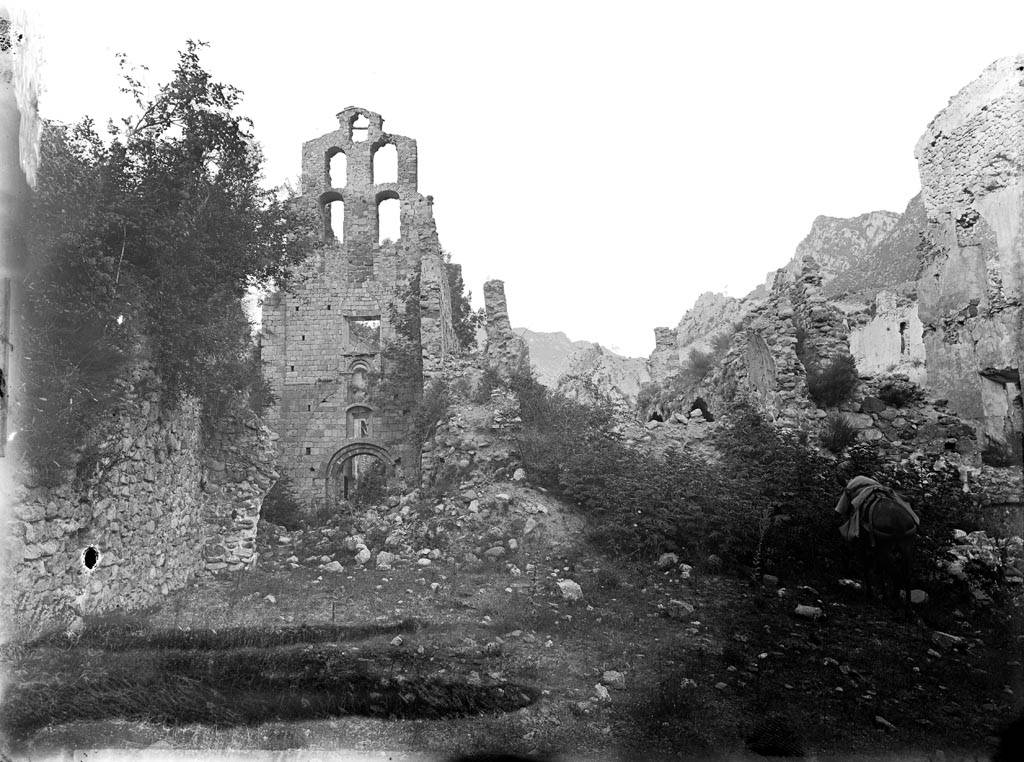
The chapel once belonged to the monastery of Santa Maria de Lavaix, and the earliest records of the Vilba settlement and its church date back to the year 1010. The structure visible today, however, was built later: based on its construction technique, it is dated to the 12th century. It was a single-nave church with a semicircular apse facing east, a layout typical of the small rural churches built across the Pyrenean Romanesque tradition. The walls were raised from irregular stone blocks laid alternately flat and diagonally, bound together with mortar — a building technique characteristic of local religious architecture from that period.
Today only fragments of the walls survive, reaching about 80 centimetres in height and roughly 2.6 metres in thickness. This is a ruin in the full sense: there is no roof, no vaulting, and no interior furnishings left. Visitors come mainly for the historical value of the site and its setting in a quiet, deserted valley, rather than for any grand architectural remains.
How do you get there?
Vilba sits in the mountainous, sparsely populated terrain of the El Pont de Suert municipality, in the Alta Ribagorça region. The best starting point is the town of El Pont de Suert itself, from where you continue along local roads and walking trails toward the abandoned settlements in this part of the municipality — the same area also holds other historical ruins, including the nearby Castell de Vilba. Since there is no permanent tourist infrastructure, it's worth bringing a local map or GPS app beforehand, as signage toward the ruins can be minimal. The trip is essentially a mountain hike, so proper footwear and a reasonable level of fitness are needed.
What will you see on site?
On site, you'll find the surviving wall fragments of the single-nave church, with part of the semicircular apse still recognizable. It's worth paying attention to the stonework itself — irregular blocks laid alternately flat and diagonally, a detail that helps date the building even without written records. Around the ruins spreads the deserted village of Vilba, giving a sense of what daily life once looked like in the small mountain settlements of the Pyrenees before they were abandoned. This is a destination for anyone interested in regional history, Romanesque architecture, and off-the-beaten-path travel.
When is the best time to visit?
Spring and early autumn are the best times to visit, when mountain temperatures are moderate and the approach trails are usually free of snow. Summer can get hot in the lower parts of the valley, while winter in Alta Ribagorça can make the walk more difficult due to weather conditions and shorter daylight hours. Since there's no infrastructure on site — no food stalls, restrooms, or marked parking — it's best to plan a daytime visit and bring your own supplies.
Frequently asked questions
Is Església de Vilba an active church? No. It's a ruin — only wall fragments and part of the apse survive, with no roof or interior furnishings.
How old is this building? The settlement and its church are first documented from the year 1010, while the surviving church structure itself dates from the 12th century.
Is it easy to reach? Not really — Vilba is an abandoned village with no permanent infrastructure, and reaching it requires hiking along local trails through the mountainous terrain of the El Pont de Suert municipality.
Are there other similar sights nearby? Yes, the same municipality holds other abandoned settlements and historical ruins, including the nearby Castell de Vilba, making it easy to combine a visit into a themed route through the deserted villages of Alta Ribagorça.
Nearby places

Earn badges for the places you visit
Download NextOnTrip, discover new places and check off your trails.