About this place
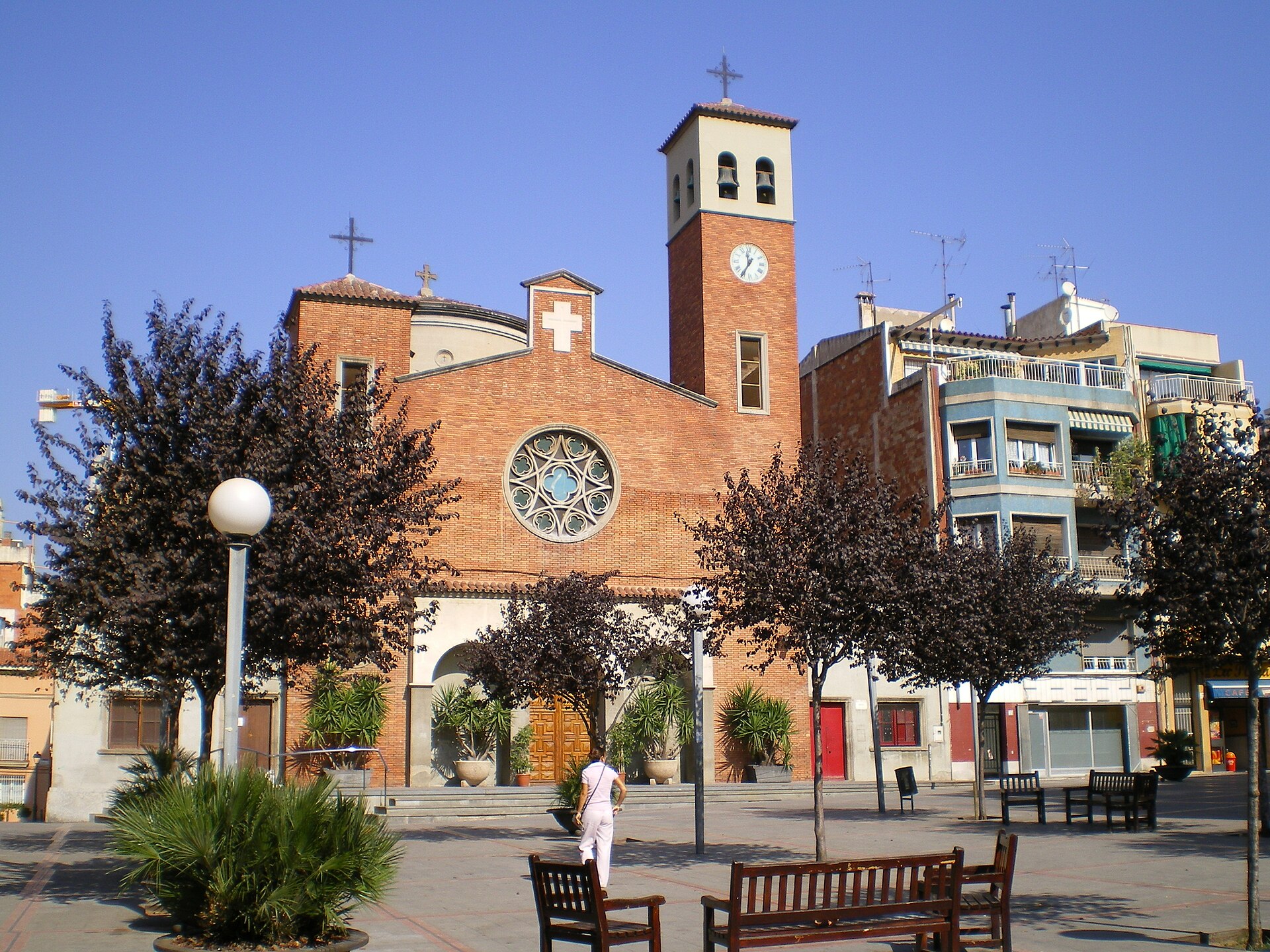
Església de Sant Adrià is the parish church of Sant Adrià de Besòs, a town right at the mouth of the Besòs river, on the eastern edge of Barcelona. The church sits on a small rise, and it was around this very hill that the whole town first grew — the settlement even took its name from the church's patron saint.
What is the history behind this church?
The first temple on this spot goes back to the 10th century, already acting as the focal point of a settlement that gradually spread out below it. In 1092, Bishop Bertran handed the church over to the canonry of Sant Ruf d'Avignon, which established the first Augustinian priory in Catalonia here. A few years later, in 1095, none other than Saint Oleguer — one of the key figures of medieval Catalan church history — served as prior of that priory.
The calm didn't last. In 1114, Almoravid raiders from the Balearic Islands landed in the Besòs delta and attacked the area around Barcelona, destroying settlements in the region, Sant Adrià included. Combined with jurisdictional disputes with the canons of Barcelona, who also held rights over the church, this led the Augustinian canonry to relocate to Terrassa. Over the following centuries the church was repeatedly enlarged and rebuilt as the local population grew.
What will you actually see today?
The building standing today is not the medieval church — the earlier structure was destroyed in 1936 during the Spanish Civil War. The current temple was raised in 1940, designed by architect Joan R. Ferrater i Ducati. It's built with an exposed brick façade, featuring a single spacious nave with side chapels, a semicircular apse, and a dome. There's no medieval stonework or Gothic detailing left to see, but the building still dominates the oldest part of town and remains a clear landmark for locals.
How do you get there?
Sant Adrià de Besòs sits right on Barcelona's border and is well connected by metro (line L2, Sant Adrià station) and by the Rodalies commuter rail. From central Barcelona, the trip usually takes 15–20 minutes. The church stands in the town's historic core, a short walk from the station, on the same hillock that has anchored the settlement for centuries.
When is the best time to visit?
As an active parish church, it's open year-round, though it's worth checking local opening hours outside of mass times. Weekdays away from service hours make for the quietest visit. Spring and autumn are the most comfortable seasons for wandering the old quarter of Sant Adrià, avoiding the peak heat of the Catalan summer.
Frequently asked questions
Is the current church a medieval building? No. The first temple dated to the 10th century, but it was destroyed in 1936. The building standing today was constructed in 1940 to a design by Joan R. Ferrater i Ducati.
Why does this church matter to the town's history? Because the entire town of Sant Adrià de Besòs grew up around this church and took its name from the same patron saint.
Is there a connection to Saint Oleguer? Yes — in 1095, while an Augustinian priory founded by the canonry of Sant Ruf d'Avignon operated at the church, Saint Oleguer himself served as its prior.
What does the church's architecture look like? It's an exposed-brick building with one large nave, side chapels, a semicircular apse, and a dome — a typical example of postwar church reconstruction in 1940s Catalonia.
Nearby places

Earn badges for the places you visit
Download NextOnTrip, discover new places and check off your trails.