About this place
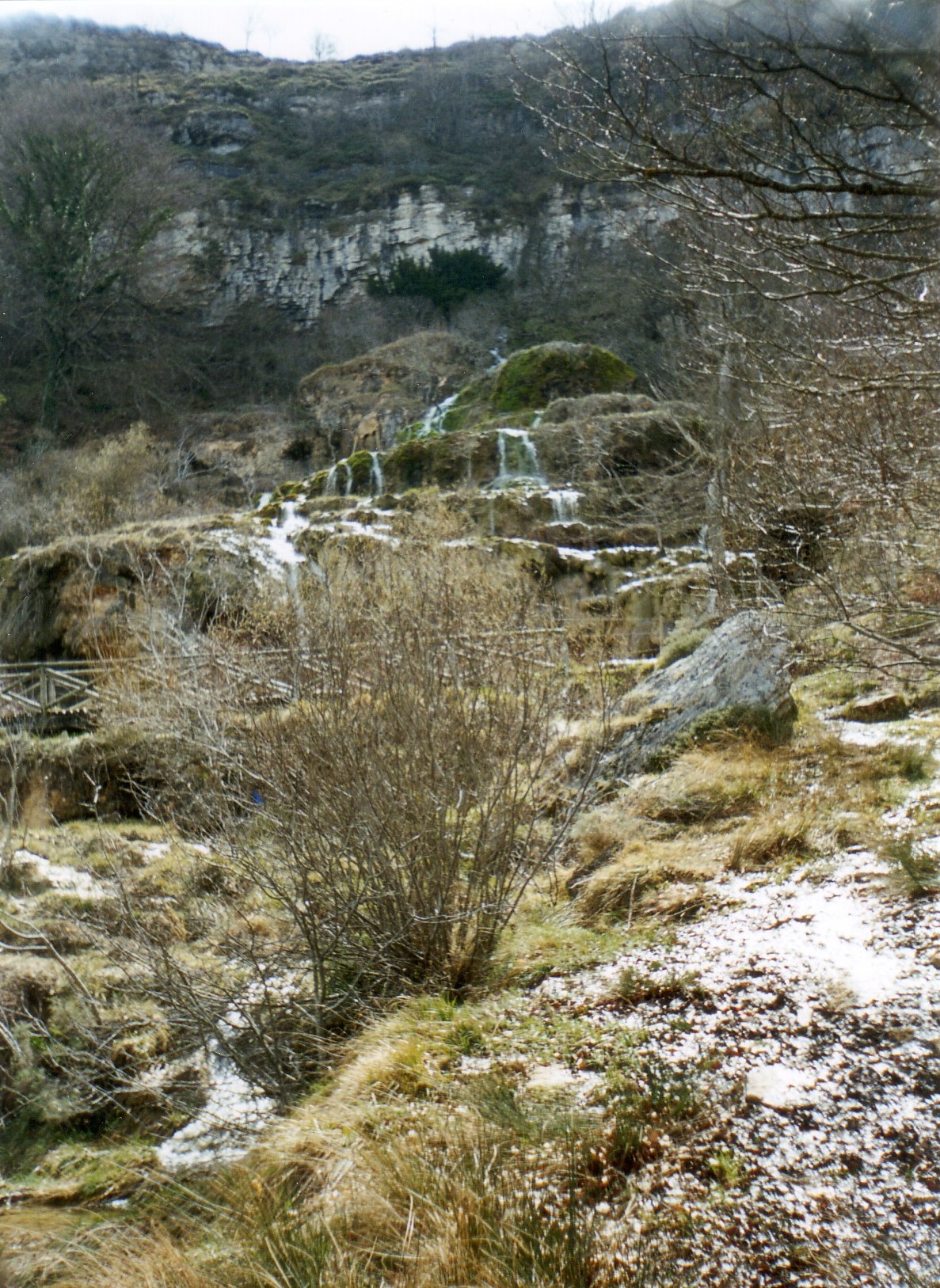
Covalagua is a protected natural area in the municipality of Pomar de Valdivia, in the northeastern part of the province of Palencia, on the border with Burgos, in the Castile and León region of Spain. The area covers roughly 1,860 hectares on the limestone plateau known as the Páramo de la Lora, taking in land around three villages: Revilla de Pomar, Respenda de Aguilar, and Pomar de Valdivia. Legally, it combines two categories of protection: the Covalagua Protected Landscape and the Covalagua Waterfall Natural Monument. Since 2017, the whole space has formed part of the UNESCO Global Geoparks network as a section of the Las Loras Geopark.
What shaped this landscape?
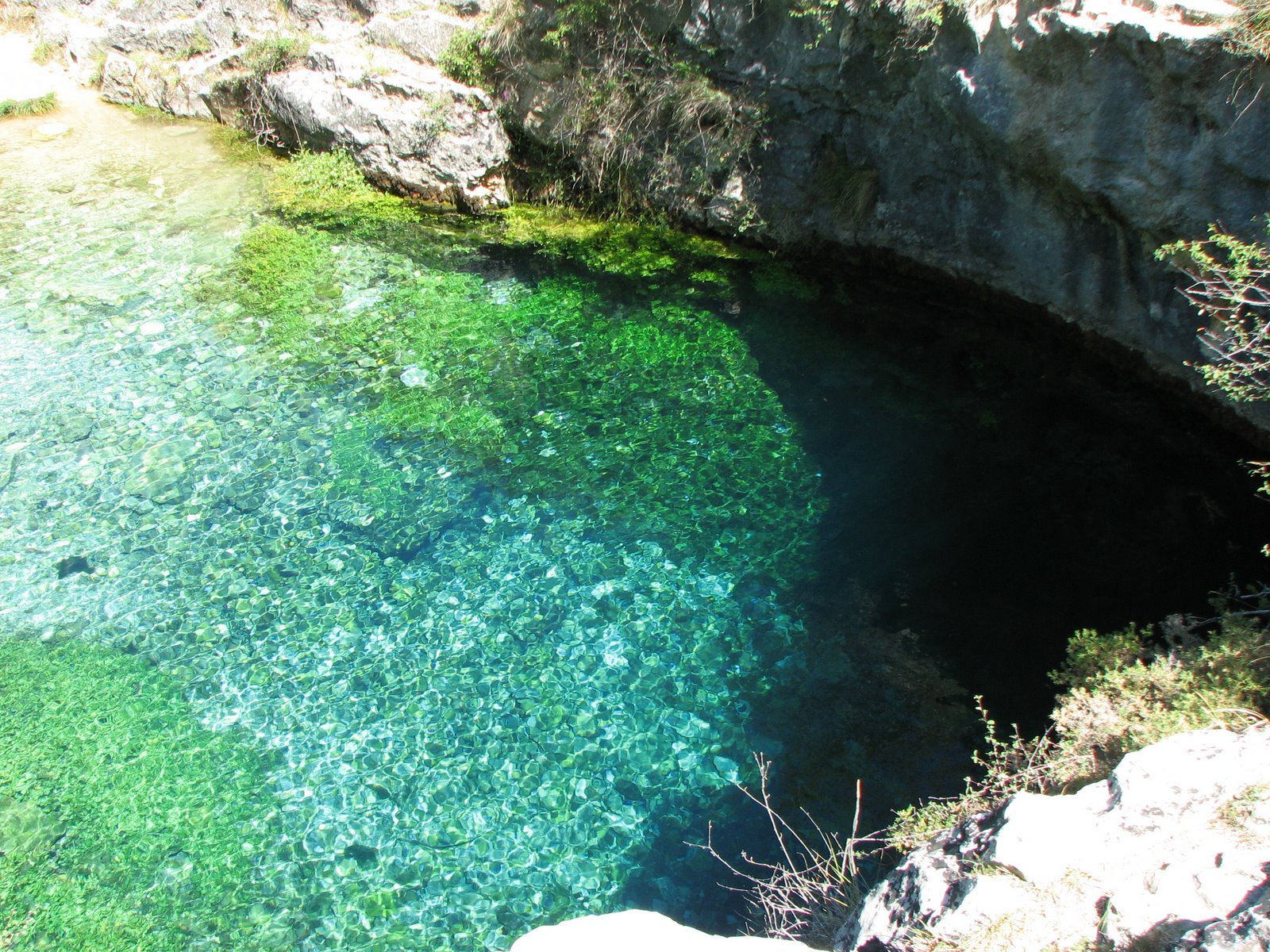
Covalagua is a textbook example of limestone karst scenery. Over thousands of years, water dissolving the Cretaceous limestone bedrock has carved out sinkholes (dolinas), lapiaz (limestone pavement), uvalas, vertical shafts (simas), and caves. The region is also known for its "loras" — large hanging synclines, folded rock formations that stand out clearly in the local terrain. This geological variety is exactly what earned the area its place on the UNESCO Geopark list.
Cueva de los Franceses — the only show cave in the province
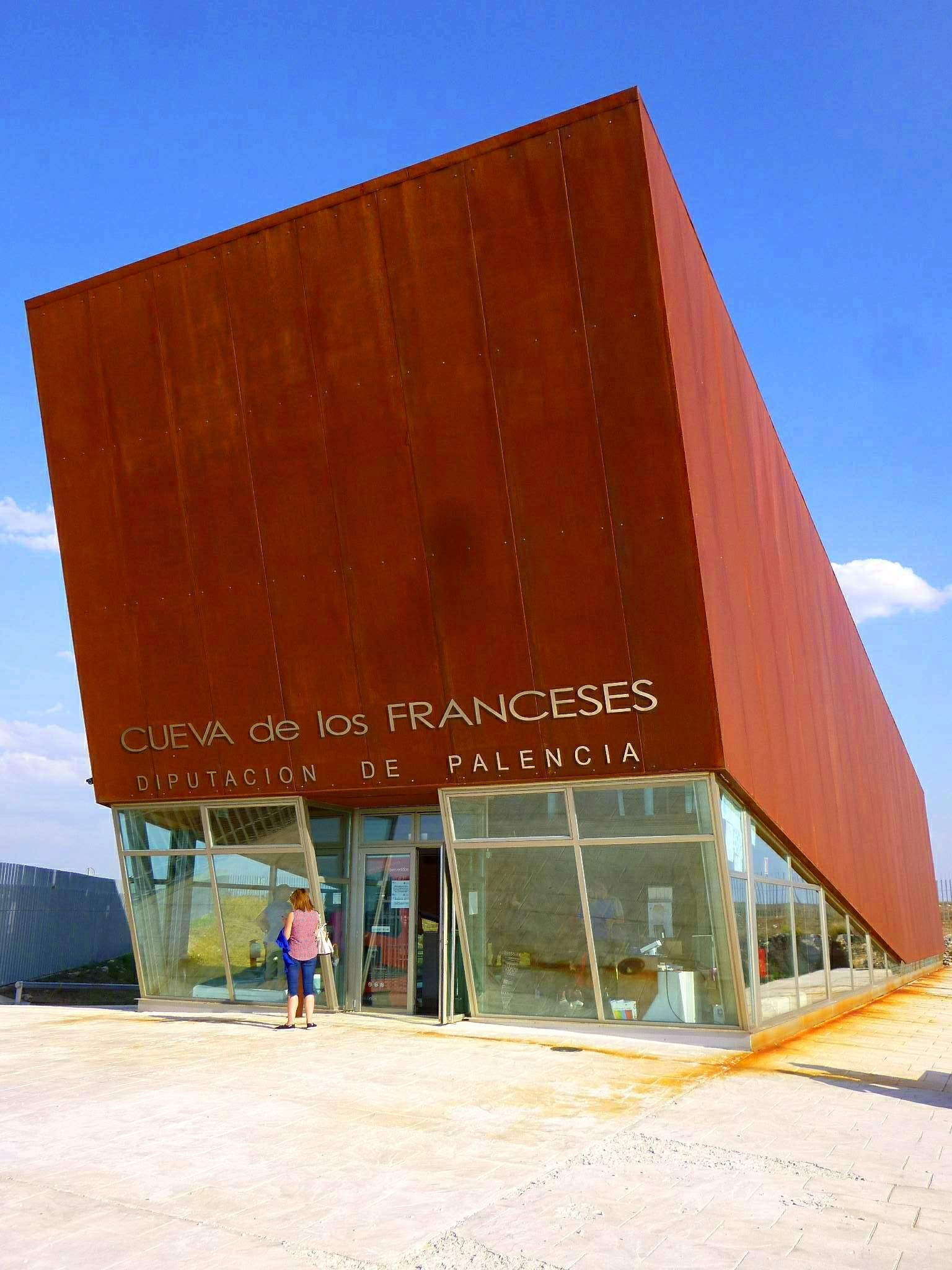
The best-known feature of Covalagua is the Cueva de los Franceses (Cave of the French), located near the village of Revilla de Pomar. It is the only cave in the entire province of Palencia that is open to visitors. Inside, visitors can see striking karst formations — flowstone sheets, travertine deposits, stalagmites, and stalactites — highlighted by modern lighting installed specifically to let visitors appreciate the details of these formations.
A waterfall, a menhir, and a viewpoint
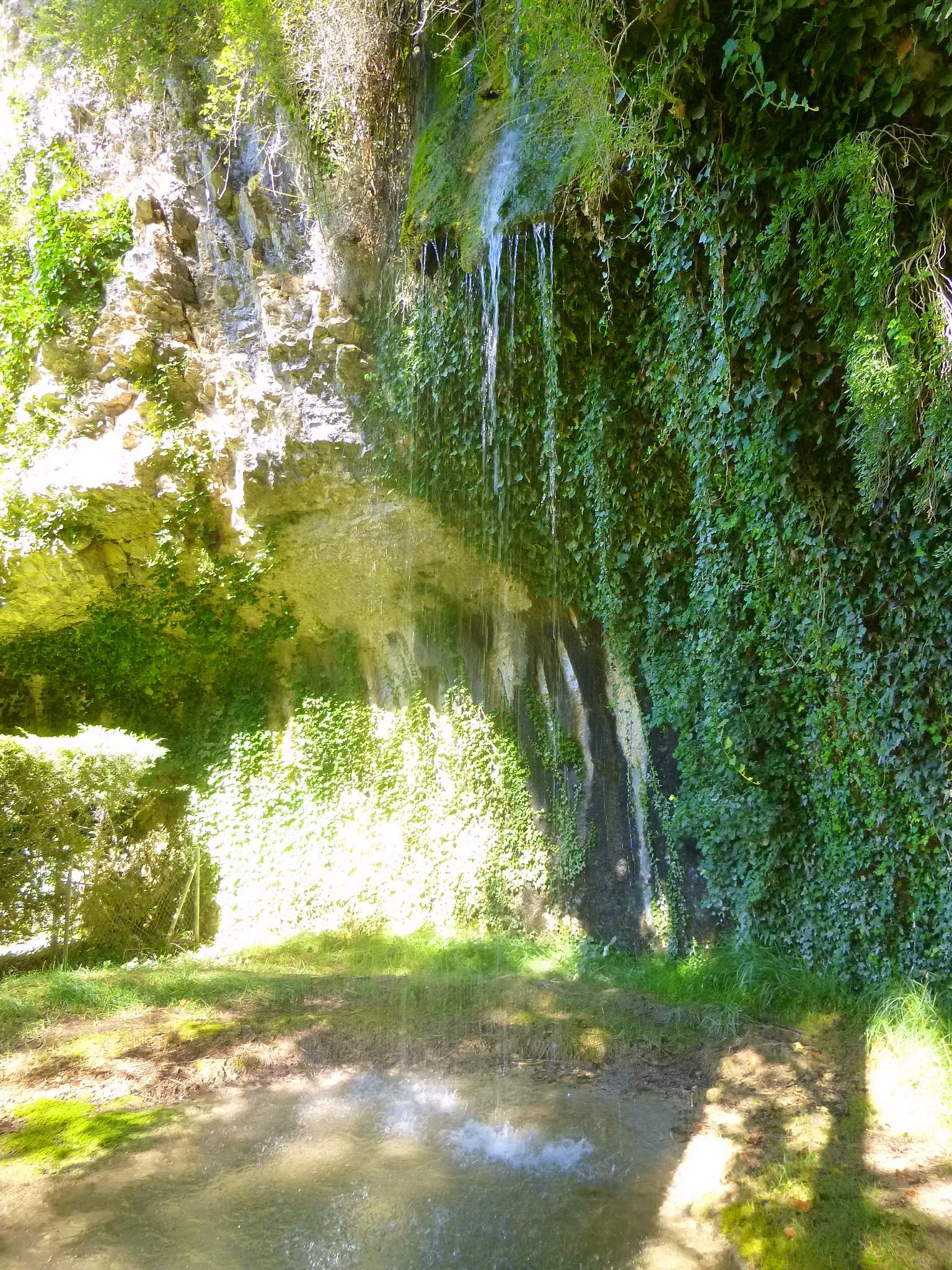
Beyond the cave, the area's main attractions include the Covalagua Waterfall (Cascada de Covalagua) and the Canto Hito Menhir (Menhir de Canto Hito). Also worth a stop is the Valcabado Viewpoint (Mirador de Valcabado), a natural rock balcony overlooking the beech forest of Monte Ahedo and the Valderredible Valley, from where the Covalagua Deer Reserve can also be spotted.
Visiting Covalagua
The natural space is served by well-marked walking trails that let visitors combine the viewpoint, the cave, and the waterfall in a single route. Because the terrain is rocky and shaped by karst erosion, sturdy walking or hiking shoes are recommended.
Frequently asked questions
Where exactly is Covalagua located? In the municipality of Pomar de Valdivia, in the northeastern part of the province of Palencia (Castile and León), right on the border with the province of Burgos.
Can the cave be visited independently? The Cueva de los Franceses is the only show cave in the province of Palencia, fitted with lighting designed to make its flowstone formations easy to see.
What protection status does the area have? It combines two nature protection categories — the Covalagua Protected Landscape and the Covalagua Waterfall Natural Monument — and has been part of the UNESCO Las Loras Geopark since 2017.
What else is worth seeing nearby? Besides the cave and waterfall, highlights include the megalithic Canto Hito Menhir and the Valcabado Viewpoint, which overlooks the Valderredible Valley.
Nearby places

Earn badges for the places you visit
Download NextOnTrip, discover new places and check off your trails.