About this place
Hoces del Alto Ebro y Rudrón is a natural park in the northwestern part of the province of Burgos, in the Spanish autonomous community of Castile and León. It covers more than 46,000 hectares spread across several municipalities, including Valle de Sedano, Valle de Manzanedo, Valle de Valdebezana, Tubilla del Agua and Sargentes de la Lora. It ranks among the larger protected areas in the region, and its name points directly to the two rivers that shaped the landscape here — the Ebro and the Rudrón.
What are the "hoces" and how did this landscape form?
The Spanish word "hoces" refers to narrow, deep river gorges cut into limestone rock. Over millions of years, the waters of the Ebro and Rudrón carved through the surrounding plateaus, creating canyons and rock walls that in places reach nearly 200 meters in height. The result is a striking contrast: narrow valley floors hemmed in by steep cliffs sit right next to broad, nearly flat highland plateaus at higher elevations. This variety of terrain — from vertical rock faces to gentle tablelands — is one of the main reasons the area was placed under protection.
What can visitors see in the park?
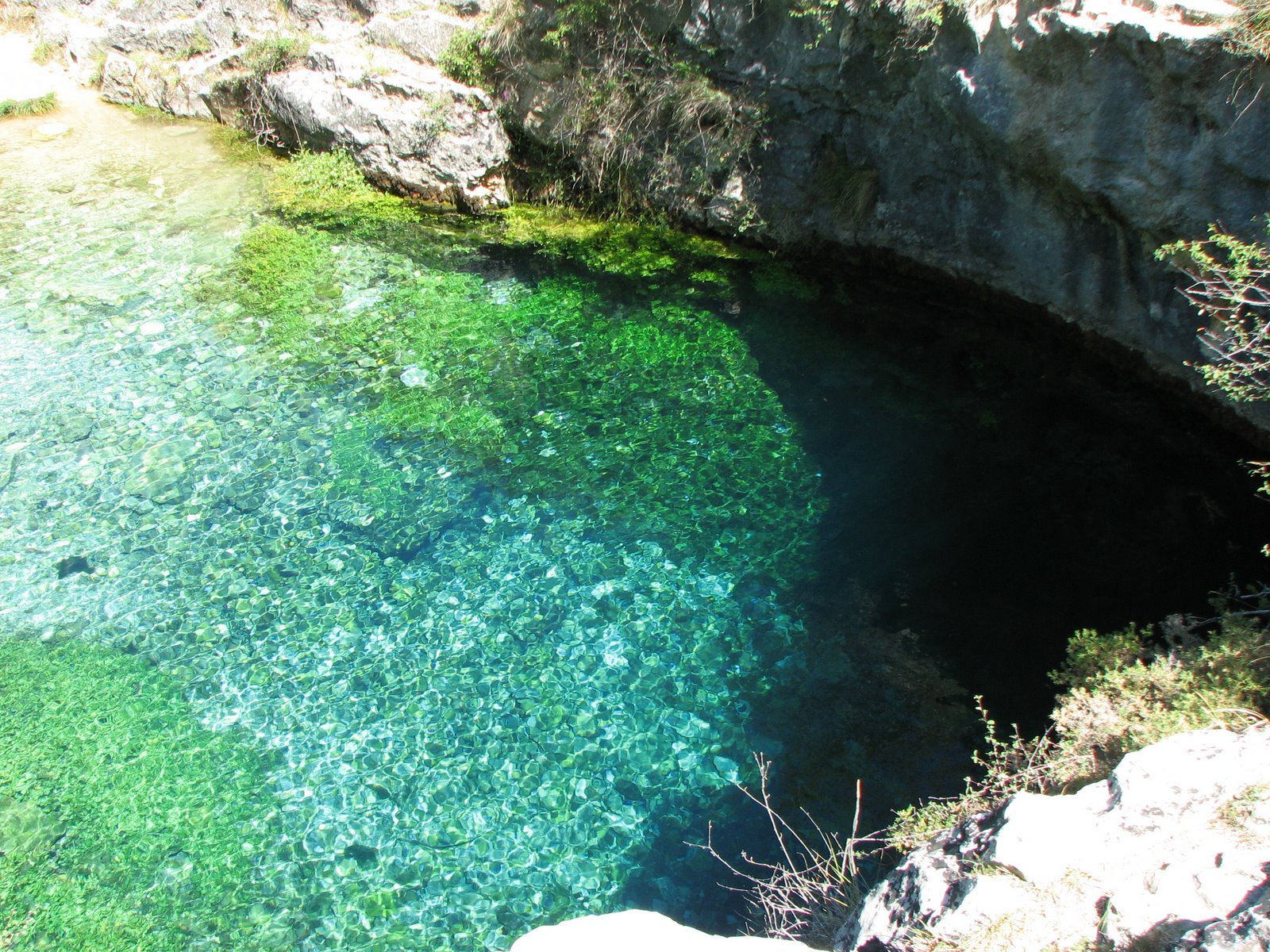
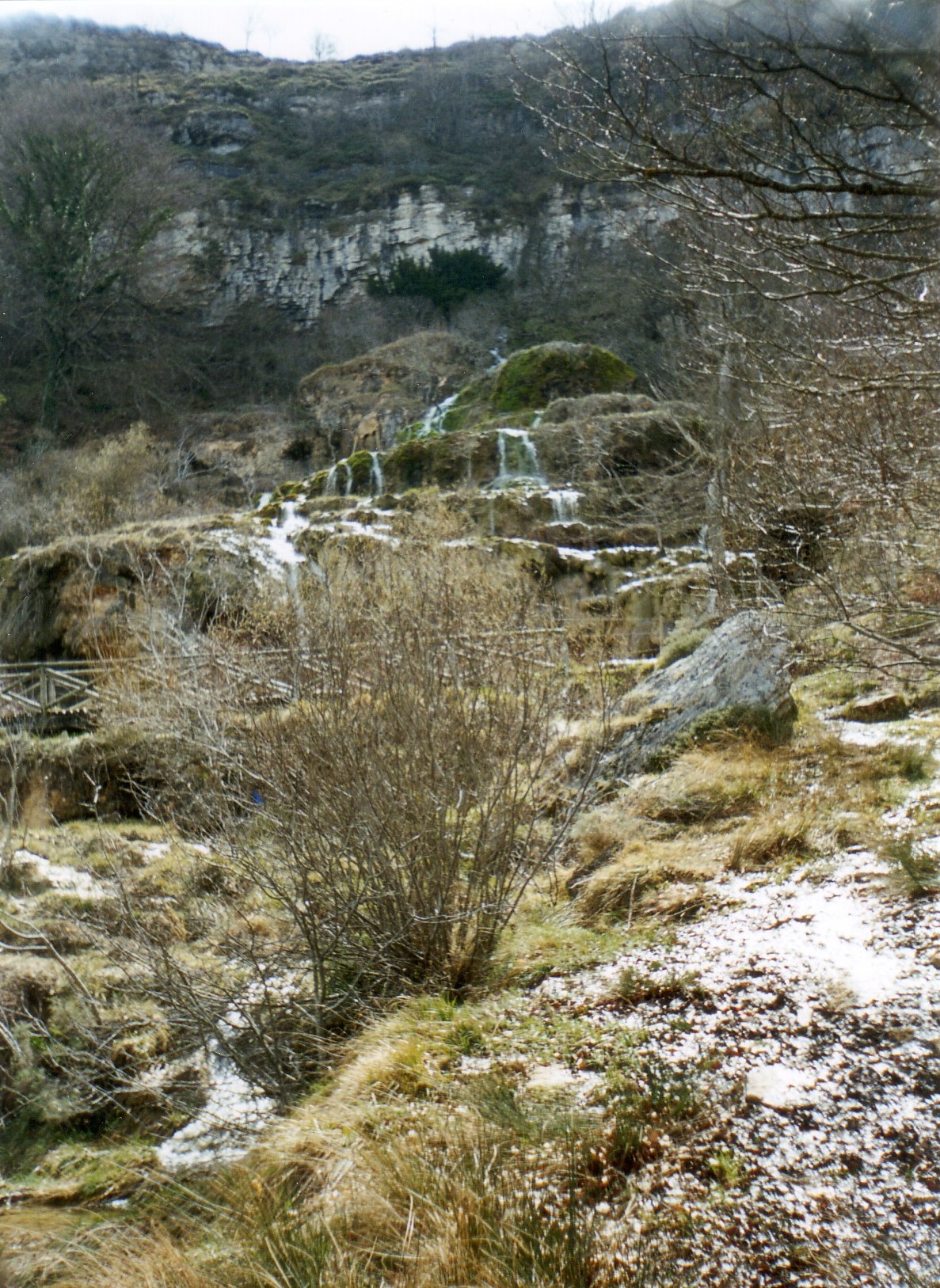
The park is known for its viewpoints, which open onto canyons carved by the rivers. One of the most visited spots is near the village of Pesquera de Ebro, offering a panoramic view over the Ebro gorge. A notable geological feature is the karst spring of Pozo Azul in Covanera — one of the deepest known karst springs, which also draws cave divers. A similar spring, the Rudrón resurgence, can be found in the village of Barrio Panizares. Also worth mentioning is the spring at Orbaneja del Castillo, which cascades down directly into the Ebro riverbed, forming one of the region's more distinctive water landscapes.
What wildlife lives in the park?
A variety of habitats — from scrubland and heath to riparian forests lining the watercourses — make the park home to numerous species, some of them endangered. The rivers hold trout and the rare white-clawed crayfish, while among the mammals tied to aquatic environments is the exceptionally rare Pyrenean desman. The area also serves as a refuge for wolves, a sign of well-preserved, extensive forest and highland terrain with limited human disturbance.
Who is this park for?
Hoces del Alto Ebro y Rudrón suits visitors looking for contact with raw, uncrowded nature — hikers, landscape photographers and wildlife watchers alike. A network of trails runs along the canyon rims and across the highland plateaus, offering both easy walks and more demanding routes. It also makes a good base for exploring the province of Burgos more broadly, pairing natural scenery with small, picturesque villages scattered along the valleys.
Frequently asked questions
Where exactly is the park located? In the northwestern part of the province of Burgos, in Castile and León, Spain.
Which rivers run through the park? The Ebro and its tributary the Rudrón — their gorges gave the park its name.
What should visitors see first? The viewpoint near Pesquera de Ebro and the spring at Orbaneja del Castillo are among the most distinctive spots.
Does the park host rare wildlife? Yes — including wolves and the Pyrenean desman, a mammal closely tied to clean mountain waters and considered an endangered species.
Nearby places

Earn badges for the places you visit
Download NextOnTrip, discover new places and check off your trails.