About this place
Las Tuerces is one of the most striking rock landscapes in the Spanish province of Palencia, in the region of Castilla y León. It sits on a plateau between the villages of Villaescusa de las Torres and Mave, close to Aguilar de Campoo, within the municipality of Pomar de Valdivia. The site is a vast labyrinth of limestone formations, sculpted over millions of years by water and erosion.
How did this stone labyrinth form?
The story of Las Tuerces begins in the Upper Cretaceous, roughly eighty million years ago. Back then, the hill above the banks of the Pisuerga River was a flat plateau riddled underneath with a network of underground karst caves. Over time, erosion of the limestone bedrock gradually wore away and collapsed the roofs of these ancient galleries. The long, slow result of this process is today's open-air labyrinth: a dense maze of narrow passages, alleyways, natural vaults, stone arches, and oddly shaped rock blocks carved into whimsical forms.
How large is the area and what can visitors find there?
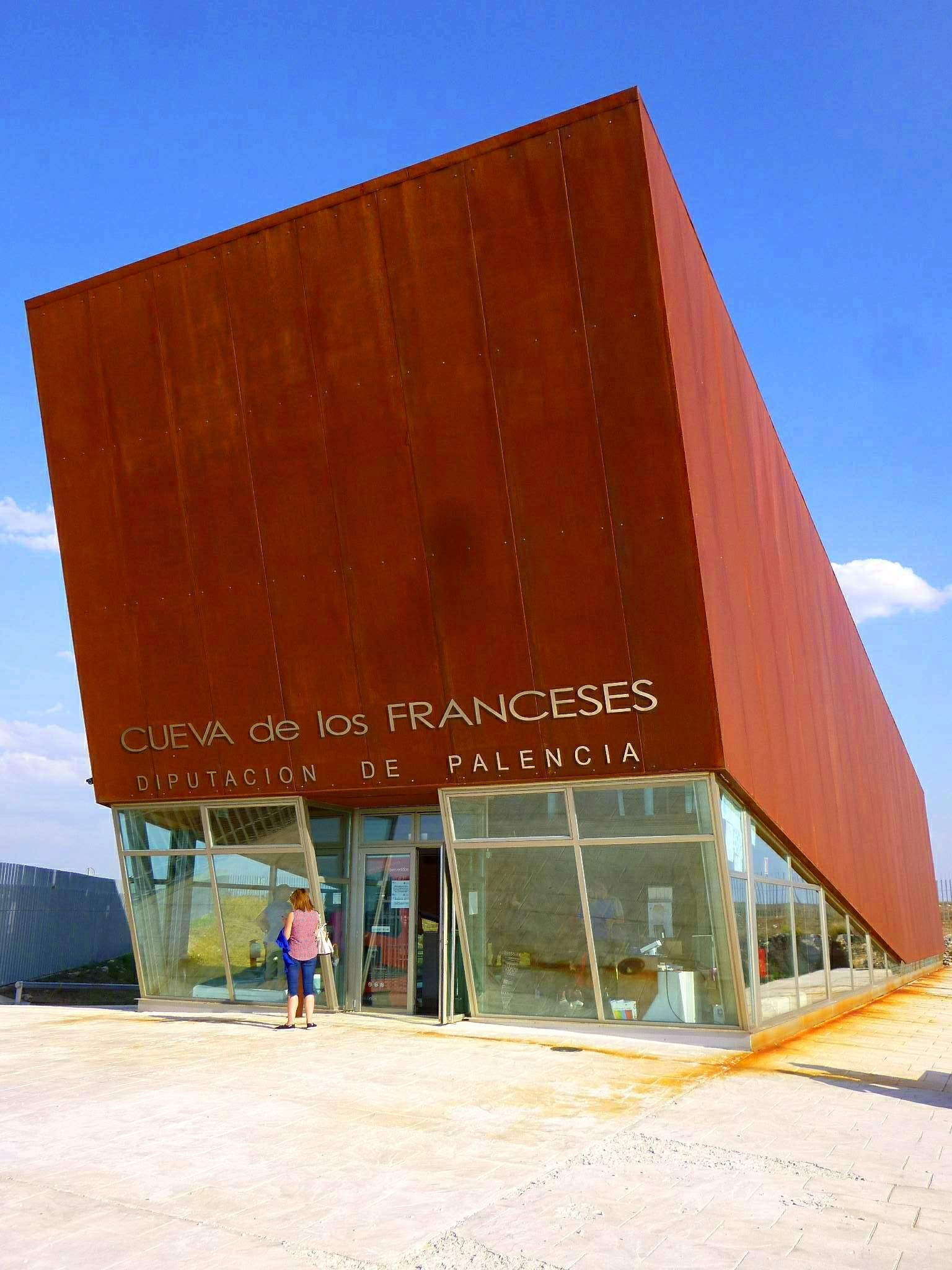
The labyrinth spreads across more than fifty hectares, making it one of the larger karst formations of its kind in the region. Walking through it, visitors encounter narrow corridor-like channels, natural stone bridges and gateways shaped by water, along with isolated limestone blocks that erosion has turned into almost sculptural, one-of-a-kind shapes. On the surface of the plateau stands the Cueva de los Franceses, the only cave in the entire province of Palencia that is open to visitors.
What protection status does the site hold?
Given its outstanding geological and scenic value, the area has been granted legal protection. In 2019, the site known as "Laberinto de las Tuerces" was declared a Natural Monument. Earlier, under an order dated 27 April 1992, regional authorities had already begun drafting a natural resource management plan for the neighboring Covalagua area, placing Las Tuerces within a broader framework of nature conservation in this part of Castilla y León.
How do you get there and which routes are best?
Las Tuerces lies at the heart of the Las Loras Geopark, surrounded by other natural landmarks such as the Horadada Canyon, carved by the Pisuerga River between the municipalities of Aguilar de Campoo and Pomar de Valdivia. Several marked hiking trails of varying difficulty lead into the labyrinth. The most accessible and shortest route starts in Villaescusa de las Torres, from where visitors can quickly reach the most striking sections of the rock formations.
Frequently asked questions
What exactly is Las Tuerces? It is a natural rock labyrinth formed by karst erosion of limestone bedrock, located on a plateau in the province of Palencia.
How old is this formation? Its formation began in the Upper Cretaceous, around eighty million years ago, though its present shape is the result of much later, long-term erosion.
Is the site protected? Yes, since 2019 it has held the status of Natural Monument under the name "Laberinto de las Tuerces."
What is the easiest way to explore the labyrinth? The shortest and most accessible route starts in Villaescusa de las Torres, following marked hiking trails into the heart of the rock formations.
Nearby places

Earn badges for the places you visit
Download NextOnTrip, discover new places and check off your trails.