About this place
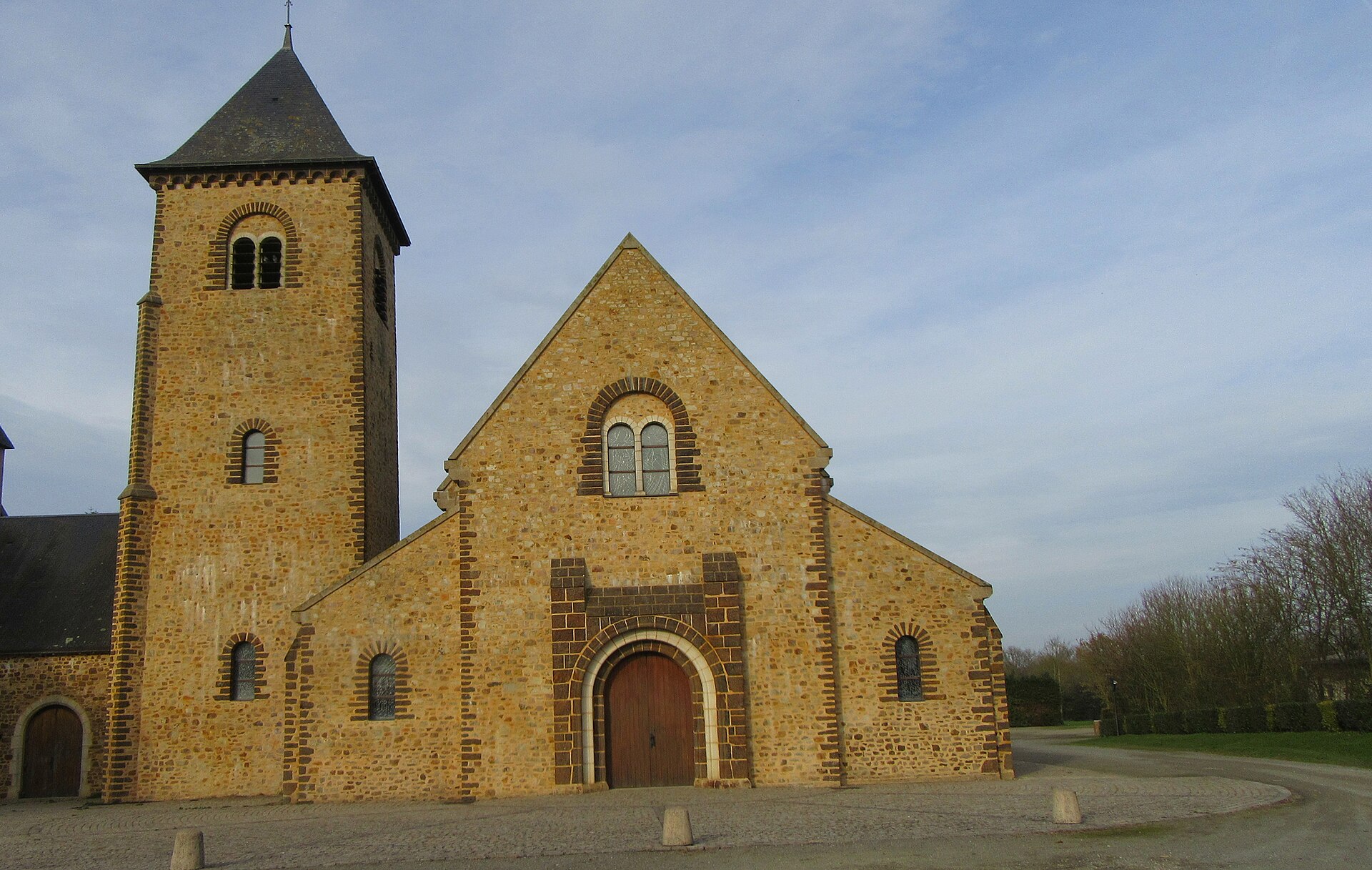
Couvent des Ursulines is a former Ursuline convent in Château-Gontier-sur-Mayenne, in the Mayenne department of the Pays de la Loire region in western France. Built in the 17th century in the Azé district on the edge of town, the convent complex has since been repurposed and now serves as a cultural venue for the town.
Why did Ursuline nuns settle in Château-Gontier?
The convent's origins go back to 1622, when Ursulines already established in nearby Laval considered opening a house in Château-Gontier; the town council approved the plan that September. Formal permission followed years later: the bishop of Angers, Claude de Rueil, gave his consent in 1629, and letters patent were issued by the crown at Troyes in April 1630. The first nuns from Laval, led by Sister Catherine Moreau, arrived on 7 August 1631 and settled temporarily in the parish of Saint-Remy, just outside the town walls. Four more sisters from Angers joined them the following year.
How was the convent built?
The temporary arrangement soon proved inadequate, so in 1634 the community bought a 15th-century manor house in the Azé suburb from René d'Héliand, lord of la Touche. Construction of the permanent convent followed: the cornerstone of the enclosure wall was laid in 1638, and in 1642 the nuns commissioned a conventual building, a boarding school for girls, a cloister and a church. The roof framework was raised in 1648 by the Revaux brothers of Bazougers. The overall plan was never fully completed, but the site gained a substantial chapel between 1660 and 1664 - the Church of the Trinity, considered a fine example of the Jesuit style then in fashion across France.
What happened to the convent during and after the Revolution?
The French Revolution hit the community hard. All but two of the nuns refused to swear the required civic oath and were expelled from the convent; in February 1794 they were imprisoned after refusing the oath a second time. The surviving sisters later managed to buy back the main building in 1807 and the church in 1814. A second disruption came with the 1905 law separating Church and State, forcing the nuns out again; they did not return to Château-Gontier until 1918, remaining there until 1965.
What is the convent used for today?
The convent and the adjoining manor of la Touche were listed as a historic monument (monument historique) by decree on 31 October 1991, with the ruined chapel and adjacent outbuildings added to the register on 9 December 1992. Today the former convent, known as the Pôle culturel les Ursulines, houses the town's cultural institutions, including a theatre and a conservatory of music and dance. The site stands on Rue Horeau in Château-Gontier-sur-Mayenne.
Frequently asked questions
When was the convent founded? Efforts to establish the community began in 1622, the first nuns settled in the town in 1631, and construction of the permanent convent buildings started in 1634, with the main chapel completed between 1660 and 1664.
Is the building a protected monument? Yes. The convent and the manor of la Touche have been listed as a historic monument since 1991, and the ruined chapel and outbuildings since 1992.
What does the site house today? The former convent now hosts a local cultural centre, the Pôle culturel les Ursulines, including a theatre and a conservatory of music and dance.
Do Ursuline nuns still live there? No. The Ursulines left the convent for good in 1965, after earlier interruptions caused by the French Revolution and the 1905 separation of Church and State.
Nearby places

Earn badges for the places you visit
Download NextOnTrip, discover new places and check off your trails.