- Sacred Monuments
- Religious monuments
Convento Dominico de Nuestra Señora de la Consolación
About this place
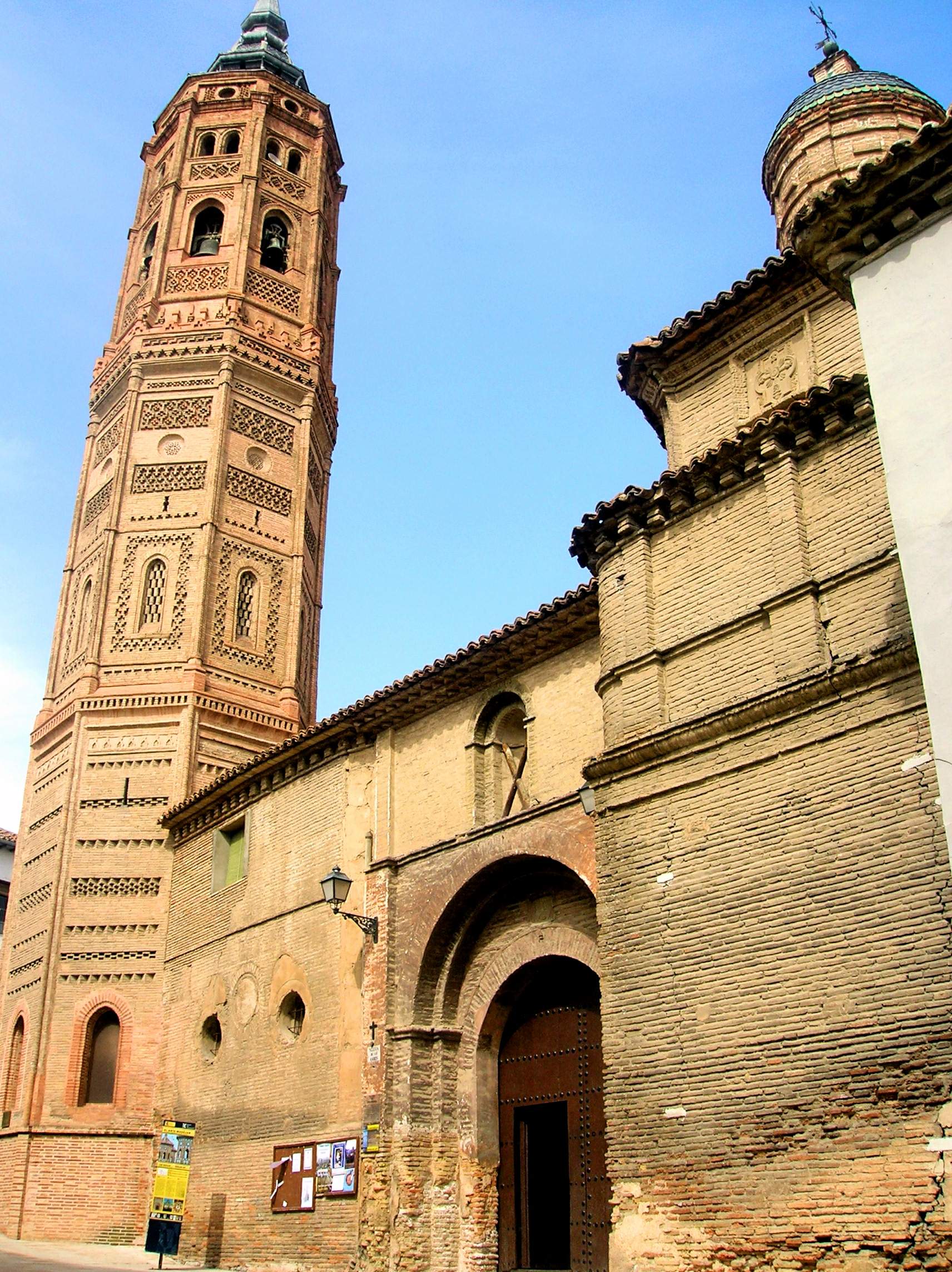
Convento Dominico de Nuestra Señora de la Consolación is a Renaissance monastic complex in Gotor, a small town in the province of Zaragoza, set in the Jalón river valley. Built in the 16th century, it served for more than three hundred years as a center of Dominican teaching and religious formation in Aragon.
What is this place?
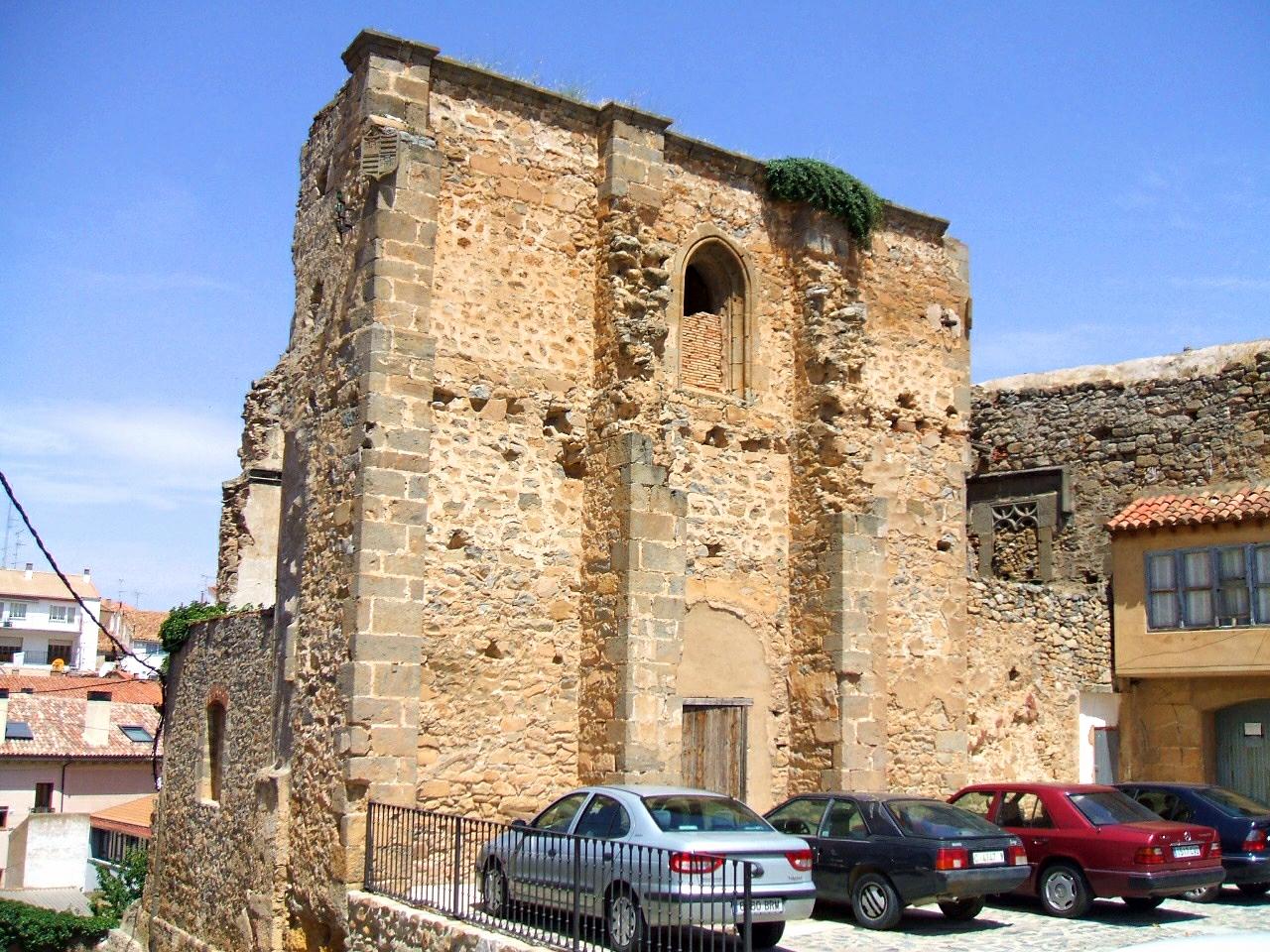
The convent was founded in 1522 by Jaime Martínez de Luna, a nobleman who had previously served as viceroy of Catalonia. It was raised on the grounds of a former medieval castle, whose site was taken over by the new church and its adjoining square cloister on the southern side. The foundation had a clear pastoral purpose: Aragonese Dominicans used it as a base for evangelizing the Mudejar and Morisco population living along the banks of the Jalón, making Gotor one of the key points of that mission in the region.
The convent quickly grew into an educational institution as well. Theology, the liberal arts, rhetoric and grammar were taught here, and in 1656 the order's General Chapter in Rome granted it the title of university — a status it held into the 19th century. In 1816 it was converted into a school for training Dominican missionaries, which continued to operate until Spain's church disentailment laws took effect.
The Mendizábal disentailment of 1835–36 ended the community's religious use of the building: it was deconsecrated and expropriated. Since 1843 the property has belonged to the Gotor town council, which set up schools and the parish there. The complex remains municipal property today and stands as one of the town's most significant heritage buildings.
How do you get there?
Gotor sits in the central part of Zaragoza province, in the Jalón valley, a region known for its UNESCO-listed Mudejar architecture. The most practical way to reach it is by car, as the town lies a reasonable drive from both Zaragoza and Calatayud, connected by regional roads. It makes a natural stop for anyone following the Mudejar architecture route through the Jalón valley or heading toward the Sierra de Vicor.
What will you see?
The main draw is the monumental convent church together with its attached square cloister, a layout typical of large Renaissance-era religious foundations. The building's footprint still reflects its origin on the site of the old castle, visible in the scale and placement of the complex. It's worth pausing on the proportions of the church interior and on the simple fact that, for centuries, a town this small was home to an institution with university rank — an unusual distinction. Walking through Gotor also shows how the former religious complex has been absorbed into the fabric of the town, now serving civic and parish functions side by side.
When should you visit?
Spring and early autumn are the best times to explore this part of Aragon, when temperatures in the Jalón valley are milder than the summer heat. Summers can get quite hot, which makes longer walks around town less comfortable, while winter brings quiet, uncrowded conditions well suited to unhurried sightseeing.
Frequently Asked Questions
Who founded the convent in Gotor? It was founded in 1522 by Jaime Martínez de Luna, a nobleman and former viceroy of Catalonia.
What role did the convent play beyond religious life? It functioned as an educational center, teaching theology and the liberal arts, and in 1656 it received university status granted by the order's General Chapter in Rome.
Why did the Dominicans stop using the building? Because of the 19th-century Mendizábal disentailment: in 1835–36 the building was deconsecrated and expropriated, forcing the friars to leave.
Who owns the building today? Since 1843 it has belonged to the Gotor town council, which uses it for schools and the parish.
Nearby places

Earn badges for the places you visit
Download NextOnTrip, discover new places and check off your trails.