About this place
Convento de los Ángeles is the ruin of a medieval Franciscan convent standing near Ovejuela, a small settlement within the municipality of Pinofranqueado, deep in the Las Hurdes region of Cáceres province, Extremadura. Only fragments of the old walls survive today, but the surrounding landscape — an old stone bridge and a dramatic waterfall — makes this one of the most visited corners of the area.
How do you get to the ruins?
Ovejuela sits along the CC-155 road, a short drive from the centre of Pinofranqueado. A signposted track branches off the main road before the village and leads on foot to the convent ruins, usually as part of a short circular walk that also takes in the old bridge and the waterfall. The path isn't technically demanding, but sturdy footwear helps, since much of it runs over the stony ground typical of Las Hurdes.
Where did the convent come from?
Local tradition traces the convent back to the early 13th century, linking its founding to Saint Francis of Assisi's journey toward Portugal. Francis is said to have passed through these mountains around 1214-1215 and, taken with the rugged beauty of the landscape, ordered a small friary built here. Oversight of the construction is credited to Clemente Paterna, a canon from Compostela, working with four Franciscan friars. According to legend, the site was chosen because of a nearby cave known as Los Ángeles, where a recently found image of the Virgin was venerated — a name that passed on to the convent, the stream running beside it, and the waterfall further downhill. Local tradition also holds that Pedro de Alcántara, patron saint of Extremadura, spent time living at the convent.
What did the building look like?
Unlike the large stone abbeys built elsewhere by Benedictine communities, the convent at Los Ángeles was a modest structure, raised from slate, timber and clay in keeping with local Hurdano building traditions rather than grand monastic design. It was built small, suited to the harsh mountain surroundings rather than as a showcase residence. Over the centuries, friction between the resident friars and local villagers fed into the legends still told about the place today. By the mid-19th century the convent had already fallen into complete ruin — well before it took on its present-day symbolic weight for the region.
What else is there to see nearby?
Right next to the ruins stands the old Puente de los Machos, a stone bridge over the stream, part of the same walking route. A short distance away is the Chorro de los Ángeles, a waterfall named after the convent and among the tallest in the region, with a drop estimated at over 200 metres; a renovated viewpoint nearby offers open views over the cascade. Ovejuela itself is also home to a small centre dedicated to local beekeeping traditions, and travellers looking to swim can head to a separate waterfall in the village, where a large natural pool has formed.
When is the best time to visit?
Spring, when the streams run high with rain and snowmelt, is the best time to see the waterfall at full force. In summer, water levels tend to drop, but the walking route is drier and easier underfoot. In winter, heavy rain can make the landscape especially striking, though paths can turn slippery, so care is needed.
Frequently asked questions
What is the Convento de los Ángeles? It is the ruin of a 13th-century Franciscan convent near Ovejuela, in the municipality of Pinofranqueado, in the Las Hurdes region.
Who founded the convent? Local tradition credits Saint Francis of Assisi with ordering its construction, with the work overseen by canon Clemente Paterna and four Franciscan friars.
Why is the convent in ruins today? It had already collapsed into ruin by the mid-19th century, in part because of its modest wood-and-slate construction rather than solid stone.
What else can you see close by? The stone Puente de los Machos bridge stands right next to the ruins, and the Chorro de los Ángeles waterfall, one of the tallest in the region, is a short walk away.
Nearby places
-

Monastery of Las Batuecas, La Alberca, Salamanca
Las Mestas
-
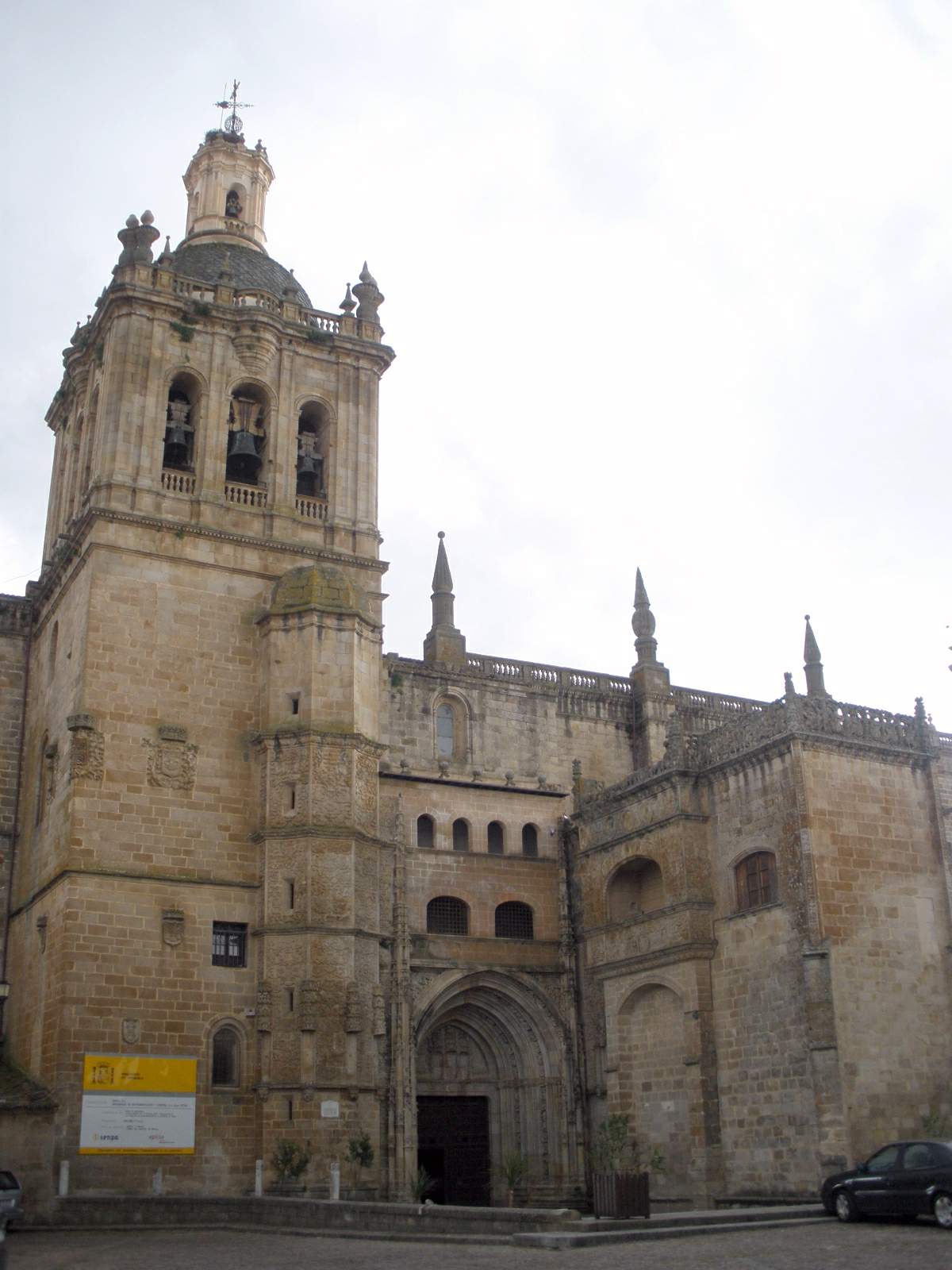
Catedral de Santa María de la Asunción de Coria
Coria
-
Convent of San Francisco, Ciudad Rodrigo
Ciudad Rodrigo
-
Convento de la Casa Baja
El Maíllo
-
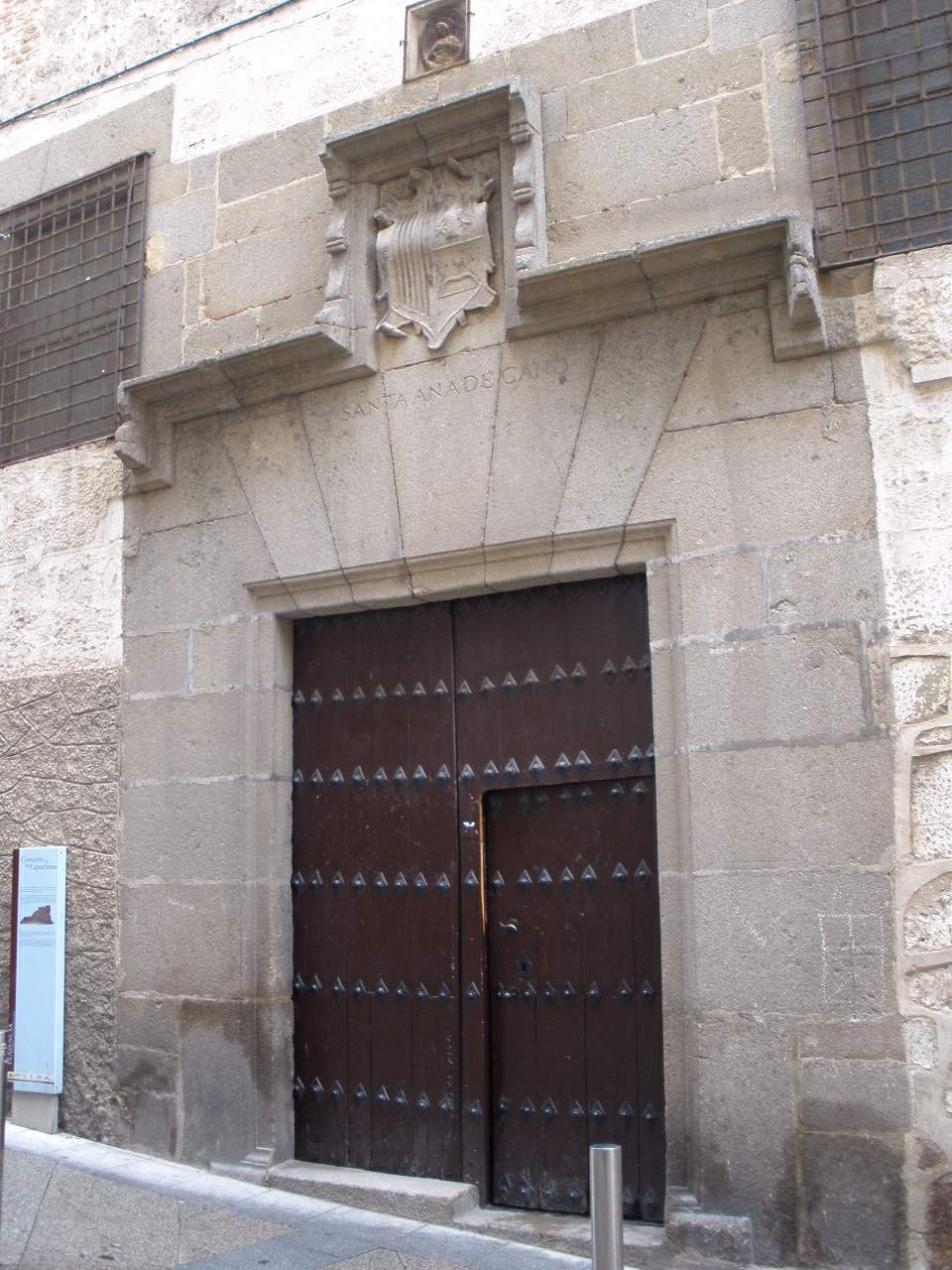
Convent of Capuchinas, Plasencia
Plasencia
-
Convento de Nuestra Señora de Gracia
San Martín del Castañar
Earn badges for the places you visit
Download NextOnTrip, discover new places and check off your trails.