About this place
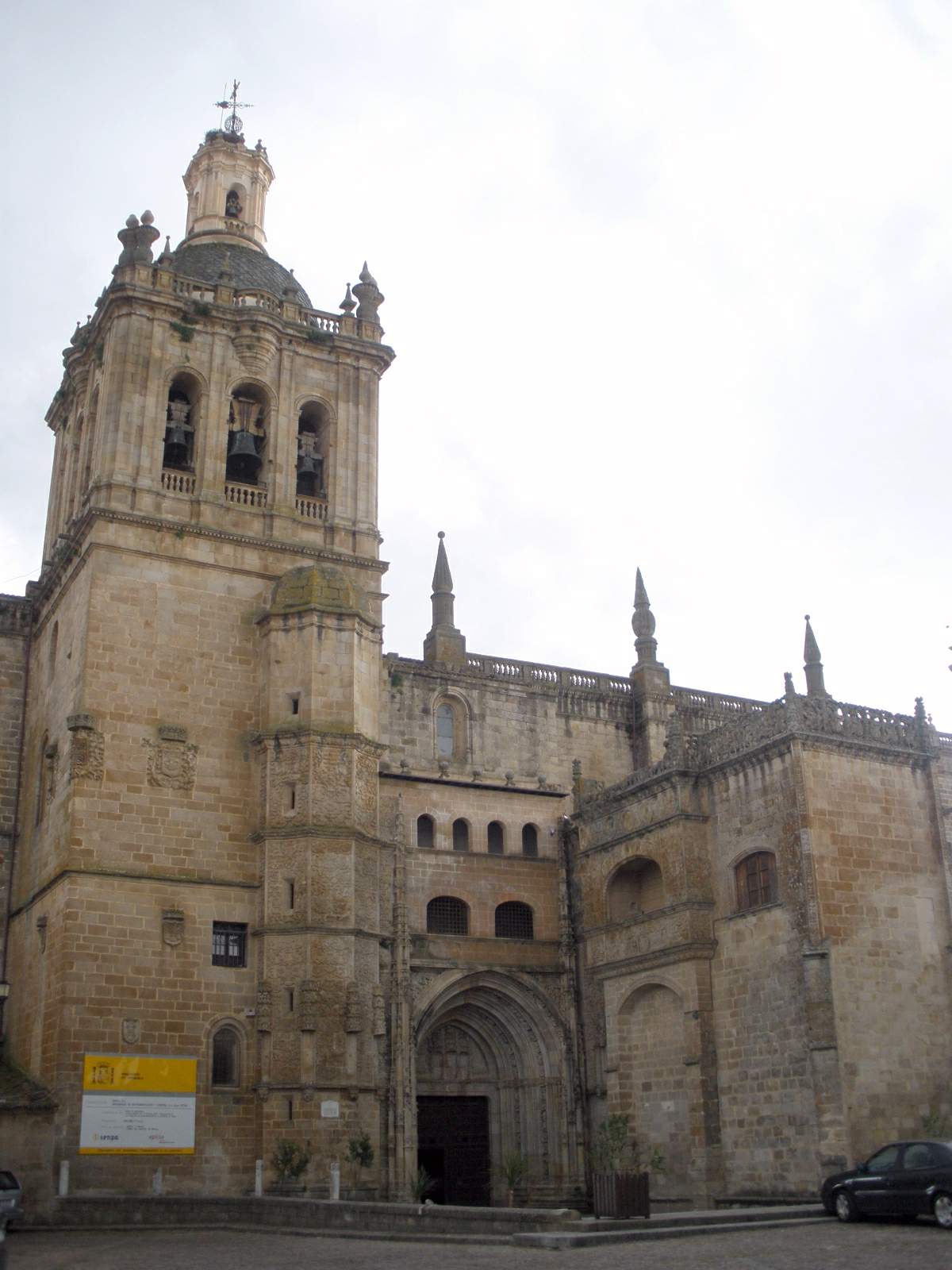
The Cathedral of Santa María de la Asunción is the main religious landmark of Coria, a small walled town in Extremadura, in the province of Cáceres, Spain. The building stands within the town's ancient walls, on a site that previously held, in succession, a Visigothic cathedral, the city's main mosque, and a Romanesque episcopal cathedral — making Coria one of the few Spanish towns where such a long sequence of religious buildings occupied the very same plot.
How do you get there?
Coria lies roughly 70 km north of Cáceres, connected by a national road that links the region toward Salamanca and Portugal. The nearest major airports are Madrid-Barajas and Badajoz, from where travelers continue by car or bus, since Coria has no direct rail connection. The cathedral sits at the heart of the old town, close to the defensive walls and the Roman bridge over the Alagón river, so once you reach the town center, it's only a short walk away.
What will you see?
The current building was constructed between 1498 and roughly 1748 — nearly 250 years of continuous work that left a visible mark on its appearance. The core of the church follows late Gothic style, but successive generations of builders added elements from later periods: richly decorated portals and Plateresque details were built according to plans by Pedro de Ybarra, while the distinctive bell tower, in Baroque style, is the work of Manuel de Lara Churriguera. The result is a building that layers three stylistic phases — Gothic, Plateresque, and Baroque — in a combination rarely seen so clearly in a single structure.
The Lisbon earthquake of November 1, 1755, seriously damaged the cathedral, forcing later repair work that shaped some of its final details.
Inside, the cathedral holds a rich collection of painting, sculpture, and liturgical goldwork. The centerpiece is an 18th-century main altarpiece carved by Alejandro Carnicero — an elaborate, multi-tiered composition typical of Spanish Baroque church furnishing. The chapels also contain episcopal tombs: that of Pedro Ximénez de Préxamo, carved by Diego Copín de Holanda, and that of García de Galarza, by Lucas Mitata — both counted among the finest examples of funerary sculpture in the region.
When should you visit?
Extremadura has hot summers, so spring (April to June) and early autumn (September to October) are the best times to visit, when temperatures are milder and the light flatters the cathedral's stone facade. It's worth combining the visit with a walk along the town walls and the castle, which together with the cathedral form Coria's most important historic ensemble.
Frequently asked questions
How long did it take to build the cathedral in Coria? Construction ran from 1498 to around 1748, close to 250 years, which explains why several architectural styles coexist in the same building.
Which architectural styles does the cathedral combine? The core is Gothic, the portals and ornamentation are Plateresque (following plans by Pedro de Ybarra), and the bell tower was designed in Baroque style by Manuel de Lara Churriguera.
What stood on this site before the cathedral? The cathedral occupies the site of an earlier Visigothic cathedral, the city's main mosque, and a Romanesque episcopal cathedral, in that historical sequence.
Was the cathedral ever damaged? Yes — the 1755 Lisbon earthquake caused serious damage, requiring structural repairs afterward.
Nearby places
-

Convento de Monjas Jerónimas, Garrovillas de Alconétar
Garrovillas de Alconétar
-
Convento de San Antonio de Padua
Garrovillas de Alconétar
-
Convento de los Ángeles
Pinofranqueado
-
Ermita de Santa Catalina
Garrovillas de Alconétar
-
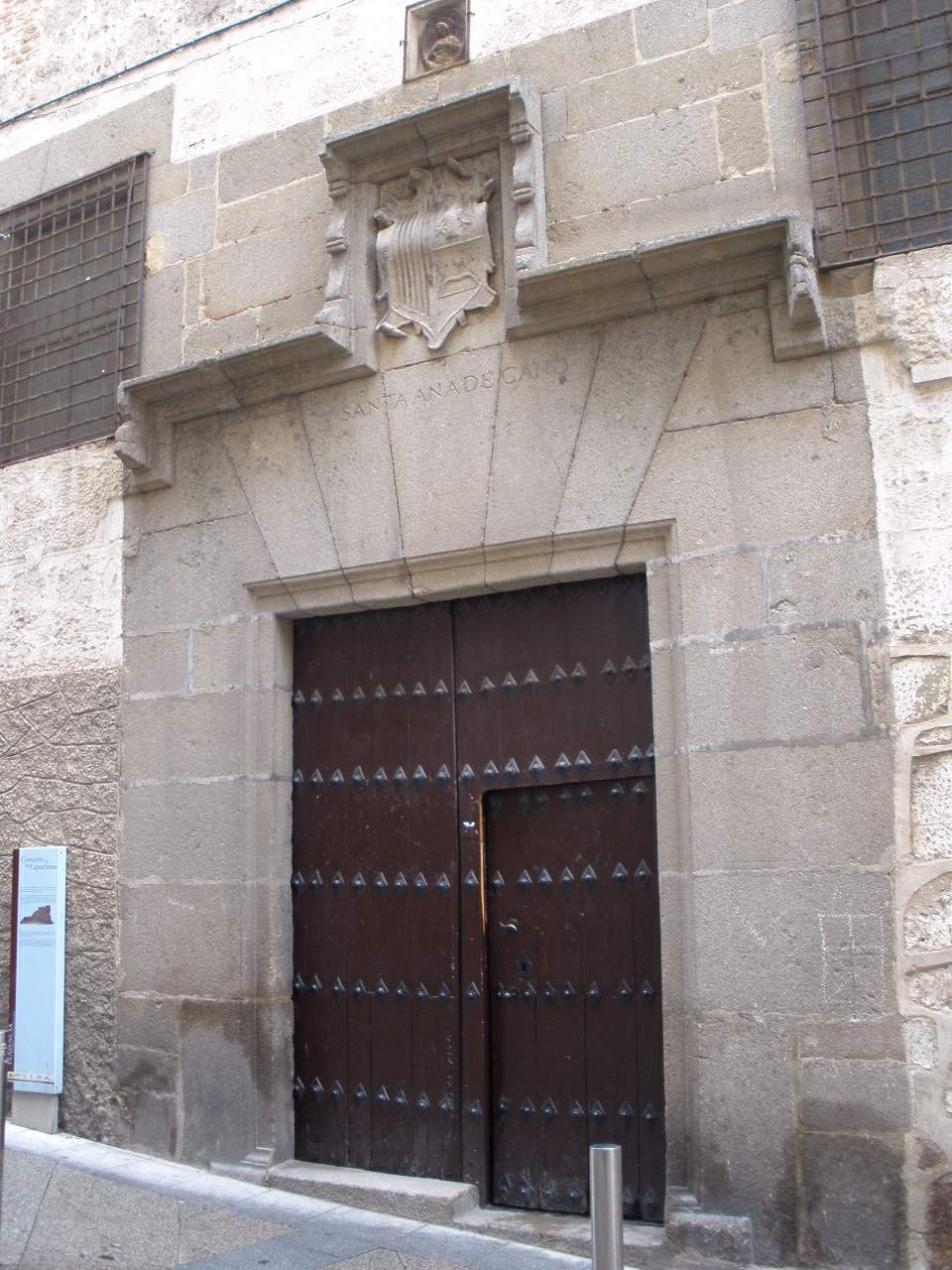
Convent of Capuchinas, Plasencia
Plasencia
-
Ermita de la Virgen de Altagracia
Garrovillas de Alconétar
Earn badges for the places you visit
Download NextOnTrip, discover new places and check off your trails.