About this place
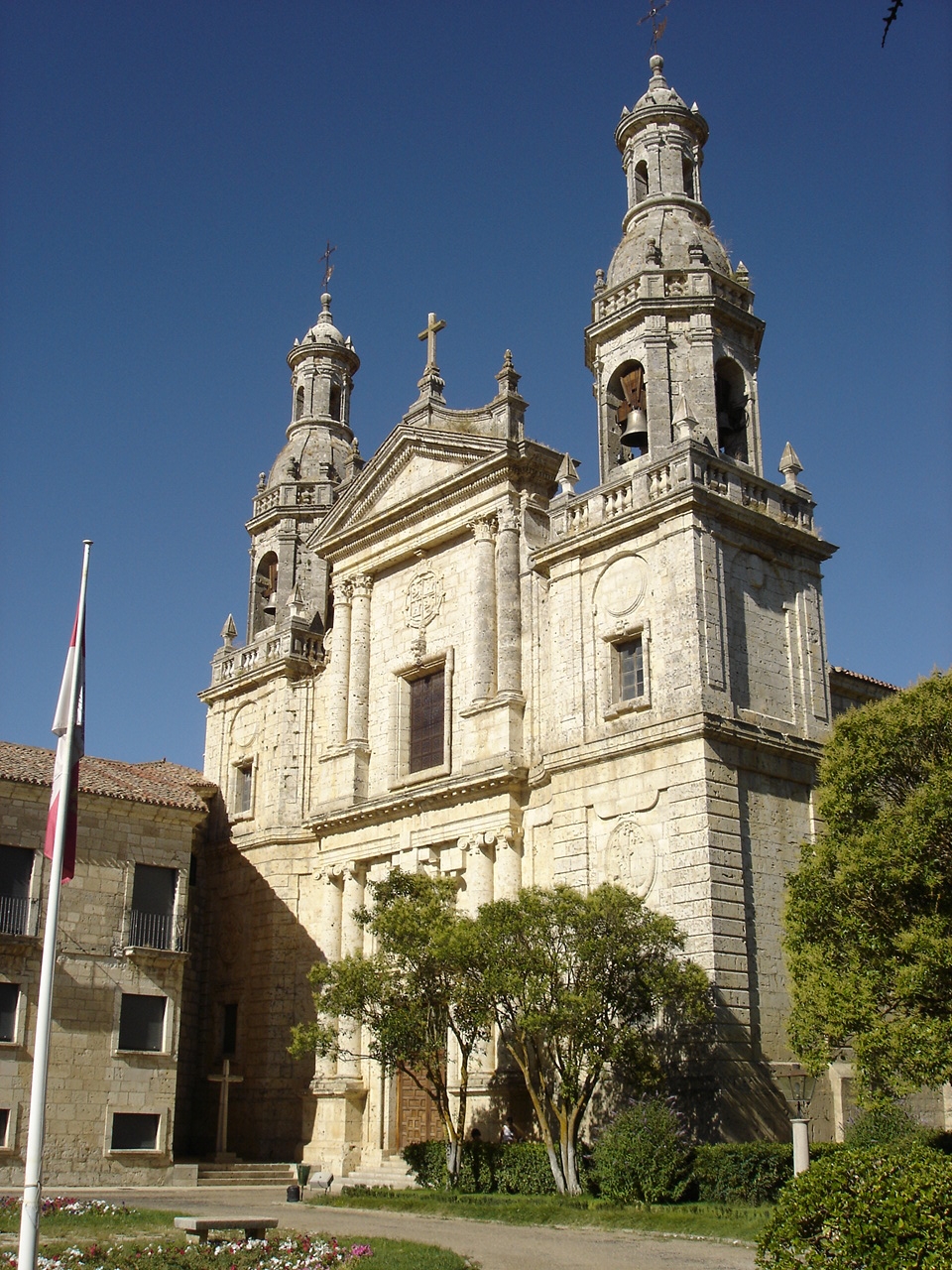
The Church of Santa Cruz is a 16th-century temple in Medina de Rioseco that has housed the Museo de Semana Santa since 2020, making it one of Spain's most notable museums dedicated to Holy Week traditions. Together, the building and its collection bring sacred architecture and centuries of local religious heritage under one roof in the town known as the "City of Admirals."
What makes the church itself worth seeing?
The temple was built in the late 16th century to designs by architect Felipe de la Cajiga, in the Herrerian style — a restrained, geometric architectural movement named after Juan de Herrera, the builder of El Escorial. Inside, the decoration is richer than the style's usual austerity would suggest, and the standout feature is a star-ribbed vault that draws the eye the moment you step through the door. That contrast between classical structure and ornamental interior is exactly why the building is considered one of the region's artistic gems.
Why did the Holy Week museum end up here?
The Museo de Semana Santa was founded in 2000, the first of its kind in the entire province of Valladolid and still one of the most significant in Spain. In 2020, the collection moved into the Church of Santa Cruz, since the building offers ideal conditions for displaying historic processional figures year-round, regardless of season or weather. Before the move, many of these pieces could only be seen during the Holy Week processions themselves.
What will you actually see inside?
The collection centers on processional sculptures — known locally as "pasos" — dating from the 15th to the 20th century, the same figures carried through the streets during Holy Week each year. Alongside the sculptures, the museum displays liturgical objects and insignia belonging to the town's religious brotherhoods (cofradías), which have organized the processions for centuries. It's essentially the only place to study these works up close, without the crowds that surround the actual celebrations.
Why does Holy Week matter so much here?
The tradition dates back to the town's economic heyday, built on trade fairs and the wool business. That prosperity gave rise to some of Spain's oldest religious brotherhoods, including the Santa Vera Cruz, founded in 1545 and still tied to the San Francisco convent, alongside the brotherhoods of Pasión, Quinta Angustia, Soledad, and Santo Sepulcro. The significance of these celebrations was formally recognized in 2009, when Rioseco's Holy Week was declared an event of International Tourist Interest.
How to get there and when to visit?
The Church of Santa Cruz sits in the center of Medina de Rioseco, a town in the province of Valladolid, in the Castilla y León region. The museum is open year-round, but a visit timed around Holy Week is especially rewarding, since some pieces return to the streets in procession and the whole town leans into the tradition at full intensity.
Frequently asked questions
How is the Church of Santa Cruz different from a typical religious museum? It's still a working Herrerian-style church with a star vault; it only took on its museum role in 2020, when the Holy Week collection moved in from a previous location.
Is it worth visiting outside of Holy Week? Yes — the museum is open all year, and it's actually the best time to study the historic processional sculptures calmly, without the crowds that gather for the celebrations.
What does the museum's collection include? Processional sculptures from the 15th to 20th centuries, plus objects and insignia belonging to the town's religious brotherhoods.
Why is Rioseco's Holy Week so well known? The town is home to some of Spain's oldest religious brotherhoods, and its processions were declared an event of international tourist interest in 2009.
Nearby places

Earn badges for the places you visit
Download NextOnTrip, discover new places and check off your trails.