About this place
The Basilica of San Ignacio stands among Pamplona's most historically significant churches, built on the site of a former castle and forever linked to the story of Saint Ignatius of Loyola, founder of the Jesuit order.
Why does this site matter?
The ground beneath the church once held a castle ordered built by Ferdinand the Catholic shortly after the conquest of Navarre in the early 16th century. In 1521, forces loyal to the rightful heirs of the Navarrese crown laid siege to the fortress in a failed attempt to reclaim the kingdom. Fighting on the Castilian side was a young Basque soldier, Íñigo de Loyola, who was severely wounded defending the walls. It was his long convalescence from that injury that set him on the path of spiritual conversion — a journey that eventually led to the founding of the Jesuits and his canonization as Saint Ignatius of Loyola.
In 1601, viceroy Cardona ordered an arch and a commemorative plaque placed at the exact spot where the future saint fell. By the late 17th century, the Basilica of San Ignacio had been built on that very location, turning the site into a lasting monument to the event.
What will you see inside?
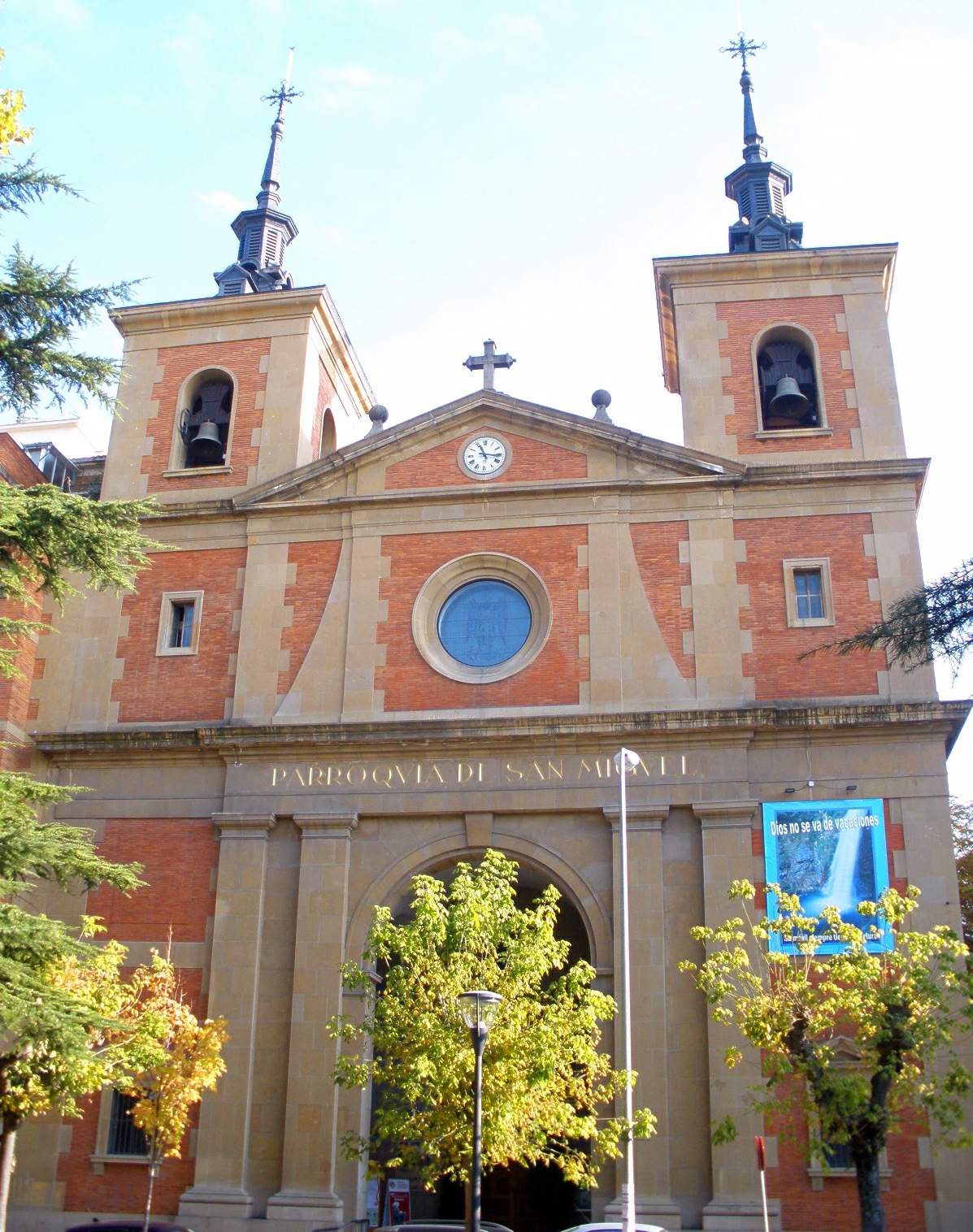
The building's current form owes much to a 1920s reconstruction. The nave was set back in 1927 to align with a new church designed by architect Serapio Esparza Huici, formally inaugurated on 25 March 1927. Inside, look for the marker commemorating the spot where Ignatius was wounded, along with architectural details that bridge the older foundation with the 20th-century rebuild. The basilica stands alongside the Church of Nuestra Señora del Perpetuo Socorro, together forming a single religious complex in the heart of the city.
Who looks after the basilica?
Since 12 December 1891, the Congregation of the Most Holy Redeemer (the Redemptorists) has cared for the Royal Basilica of San Ignacio, taking charge of its upkeep and running an active parish life, along with ministry for pilgrims who come following in the saint's footsteps.
How do you get there?
The basilica sits right in the center of Pamplona, in an easily reachable part of the city close to other landmarks of the old town. The simplest way to arrive is on foot from the historic quarter or via local city transport — Pamplona is compact enough that most historic sites lie within walking distance of one another. It's worth pairing a visit with a walk along the old defensive walls and the surrounding streets that still recall the 1521 siege.
When should you visit?
As an active parish church, the basilica is best visited outside Mass times, when you can take in the interior at your own pace. The site takes on special significance around 31 July, the liturgical feast day of Saint Ignatius of Loyola, when commemorations tied to his life take place. Outside of religious festival dates, the basilica remains a quieter stop on a walking tour, less crowded than Pamplona's main squares.
Frequently asked questions
Why is San Ignacio connected to Pamplona? Because it was here, defending a castle that once stood on this exact ground, that Íñigo de Loyola was severely wounded in 1521 — the event that triggered his conversion and eventual path to sainthood.
What is the current building? It's a basilica rebuilt in the 1920s to a design by Serapio Esparza Huici, standing precisely where an earlier monument once marked the spot of the saint's wound.
Who runs the church today? Since 1891, the Redemptorists (Congregation of the Most Holy Redeemer) have been responsible for the basilica.
Is entry free? As a working parish church, the basilica is generally open to visitors free of charge during opening hours, outside of Mass and service times.
Nearby places

Earn badges for the places you visit
Download NextOnTrip, discover new places and check off your trails.