About this place
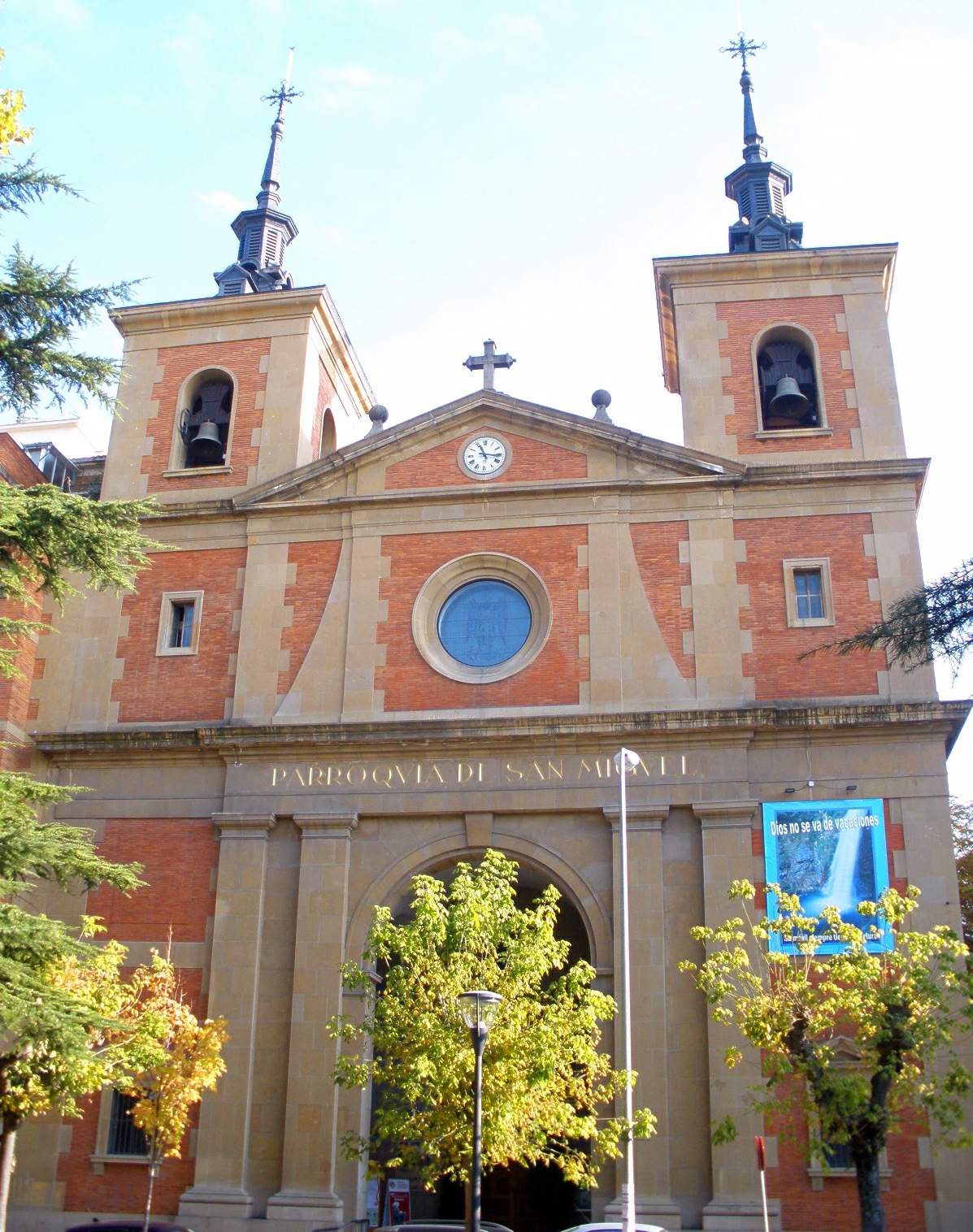
The Church of San Antonio is a Capuchin church in Pamplona, built in the late 1930s in the Segundo Ensanche district. It does not compete with the city's medieval cathedral or fortifications for tourist attention, but it has its own coherent story tied to the Capuchin order and to the growth of Pamplona beyond its old walls.
When was the Church of San Antonio built?
The foundation stone was laid on June 13, 1939, the feast day of Saint Anthony of Padua, the church's patron. The ceremony was presided over by the Minister General of the Capuchin order and the then Archbishop of Pamplona. Construction moved quickly: the church was inaugurated only a year later, on June 29, 1940, the feast of Saints Peter and Paul. The architectural design was the work of Modesto López Ote, with construction overseen by Francisco Garraus.
Why is the church named after San Antonio?
The dedication honors Saint Anthony of Padua, the Franciscan friar and preacher venerated across Spain. The choice of June 13 for the foundation stone — his liturgical feast day — was deliberate, tying the new building to its patron from the very start. This is the second Capuchin church in Pamplona; the order's older house stood outside the city's historic boundaries at the time it was founded.
Where exactly is the church located?
The church stands in the middle of the Segundo Ensanche district, at Avenida de Carlos III 22, next to Plaza de las Merindades. Its southern boundary is marked by Calle San Fermín, a name most visitors associate with Pamplona's July festival. Because it sits in the Ensanche — the 19th- and 20th-century expansion built outside the old town — the church belongs to a residential part of the city rather than the historic tourist center.
What role has the church played in the city?
Since April 17, 1951, the building has also served as the parish church of San Pedro, taking on pastoral responsibilities for residents of this part of Pamplona. That means the building has combined two functions for decades: a Capuchin religious house and a parish serving local families. This dual role — monastic and parochial at once — was common among mendicant-order churches built in Spanish cities in the first half of the 20th century.
Is the Church of San Antonio worth visiting in Pamplona?
Visitors focused mainly on Pamplona's medieval cathedral or city walls won't find this church essential, but it offers a worthwhile detour for anyone interested in 20th-century religious architecture or the history of mendicant orders in Navarre. Its proximity to Plaza de las Merindades makes it easy to fold into a walk through the Ensanche, especially for those already heading toward Avenida de Carlos III.
Frequently Asked Questions
Who designed the Church of San Antonio in Pamplona? The architectural design was by Modesto López Ote, with construction directed by Francisco Garraus.
When was the church inaugurated? It was inaugurated on June 29, 1940, the feast of Saints Peter and Paul, one year after the foundation stone was laid.
Which religious order runs the church? The Capuchin friars. It is their second church in Pamplona, after an older monastery located outside the city's former boundaries.
On which street is the church located? It stands at Avenida de Carlos III 22, next to Plaza de las Merindades, bordered on the south by Calle San Fermín.
Nearby places

Earn badges for the places you visit
Download NextOnTrip, discover new places and check off your trails.