About this place
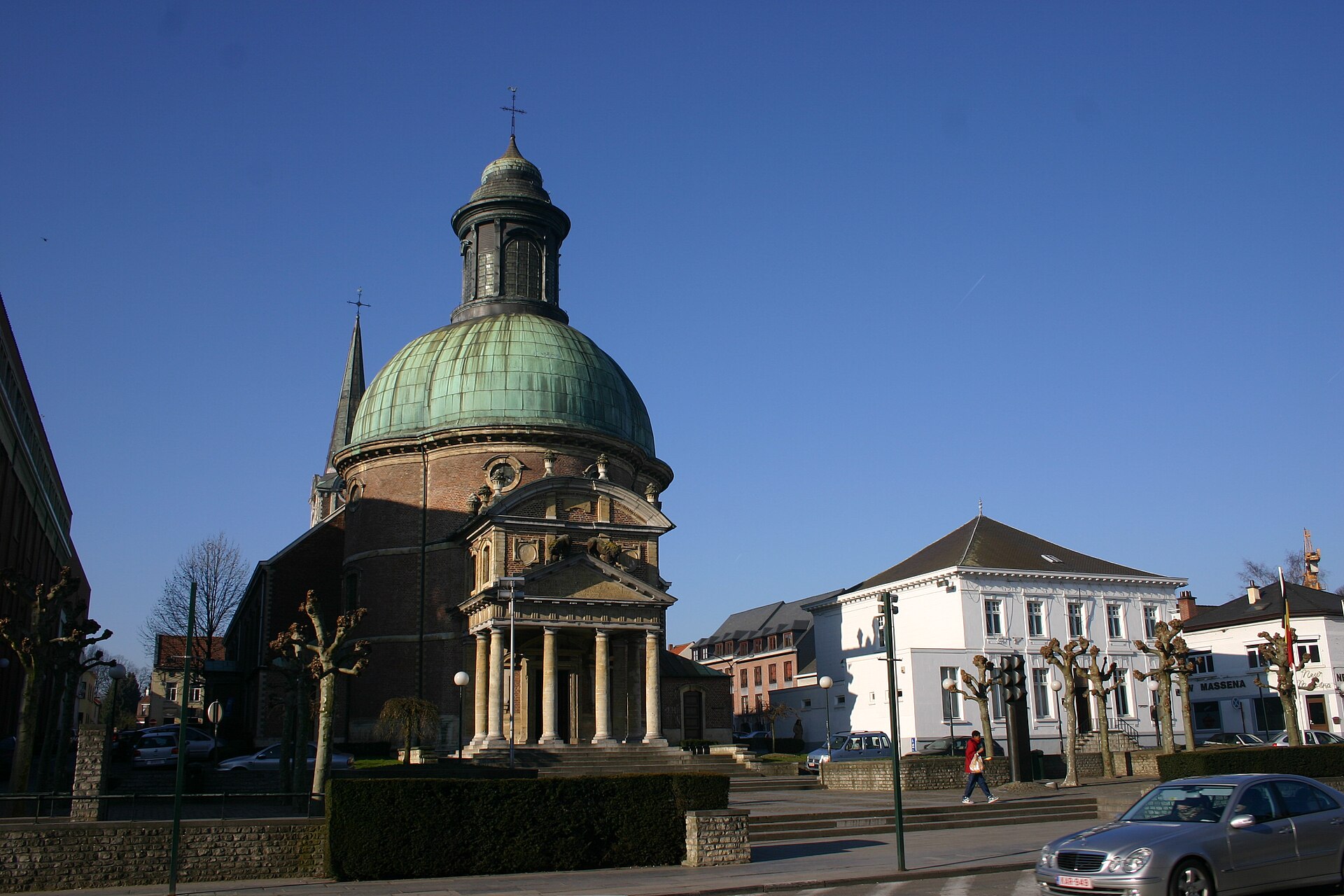
The Church of Saint Joseph in Waterloo is a Baroque place of worship standing along the old Brussels road, one of the oldest and historically most significant religious buildings in this part of Walloon Brabant. It began life as a royal chapel, founded in 1690 at the initiative of the Marquis de Gastañaga, then governor of the Spanish Netherlands, in hope of an heir being born to King Charles II of Spain. That heir never arrived, but the chapel he inspired survived and is now regarded as the last Belgian monument dating from the Spanish era in the region.
What does the church's architecture look like?
The design is attributed to the Walloon architect Philippe Delsaux and draws on the vocabulary of French Baroque classicism. A rotunda topped with a dome and a colonnaded portico openly reference classical antiquity, while the building's quadrilobe (four-lobed) floor plan makes it distinctive among religious buildings in the region. The chapel was solemnly inaugurated on 19 February 1690.
How has the building changed over the centuries?
The original late-17th-century royal chapel eventually proved too small for the growing parish community. In 1823-1824 it was enlarged and converted into a full parish church serving local worshippers. Another significant change came in the 1850s, when the main nave was rebuilt. The bell tower that now dominates the building's silhouette was only added in 1899 - more than two centuries after the original chapel was built.
Why is the church known as the Commemorative Temple of the Battle?
Its connection to the events of June 1815 gave the church a historical significance reaching far beyond Belgium's borders. The interior holds 138 memorial plaques, most of them funded by the families of soldiers who fell at the battles of Quatre Bras and Waterloo. The custom of commemorating fallen officers and soldiers began as early as 1817, and over time the church came to be known as the Commemorative Temple of the Battle. Notably, the plaques largely honor British army officers, making the site an important stop on any itinerary tracing the Napoleonic history of the Waterloo area.
Did the Duke of Wellington pray at this church?
According to local tradition, the Duke of Wellington visited the church and prayed there before setting out for the battlefield on 18 June 1815. While this episode is difficult to confirm through primary sources, it has become a fixed part of the historical narrative surrounding the site and is frequently retold by guides leading tours through Waterloo.
Frequently asked questions
When was the Church of Saint Joseph in Waterloo built? The original royal chapel was built and consecrated in 1690, on the initiative of the Marquis de Gastañaga.
Who designed the building? The architecture is attributed to the Walloon architect Philippe Delsaux, who employed forms of French Baroque classicism.
Why does the church contain memorial plaques? Since 1817, plaques have been placed inside to commemorate officers and soldiers who died at the battles of Quatre Bras and Waterloo in June 1815 - 138 in total.
When was the bell tower added? The tower was added relatively late, only in 1899, more than two centuries after the original chapel was constructed.
Did the church always function as a parish church? No - it began as a royal chapel. It only took on the role of parish church after being enlarged between 1823 and 1824.
Nearby places

Earn badges for the places you visit
Download NextOnTrip, discover new places and check off your trails.