About this place
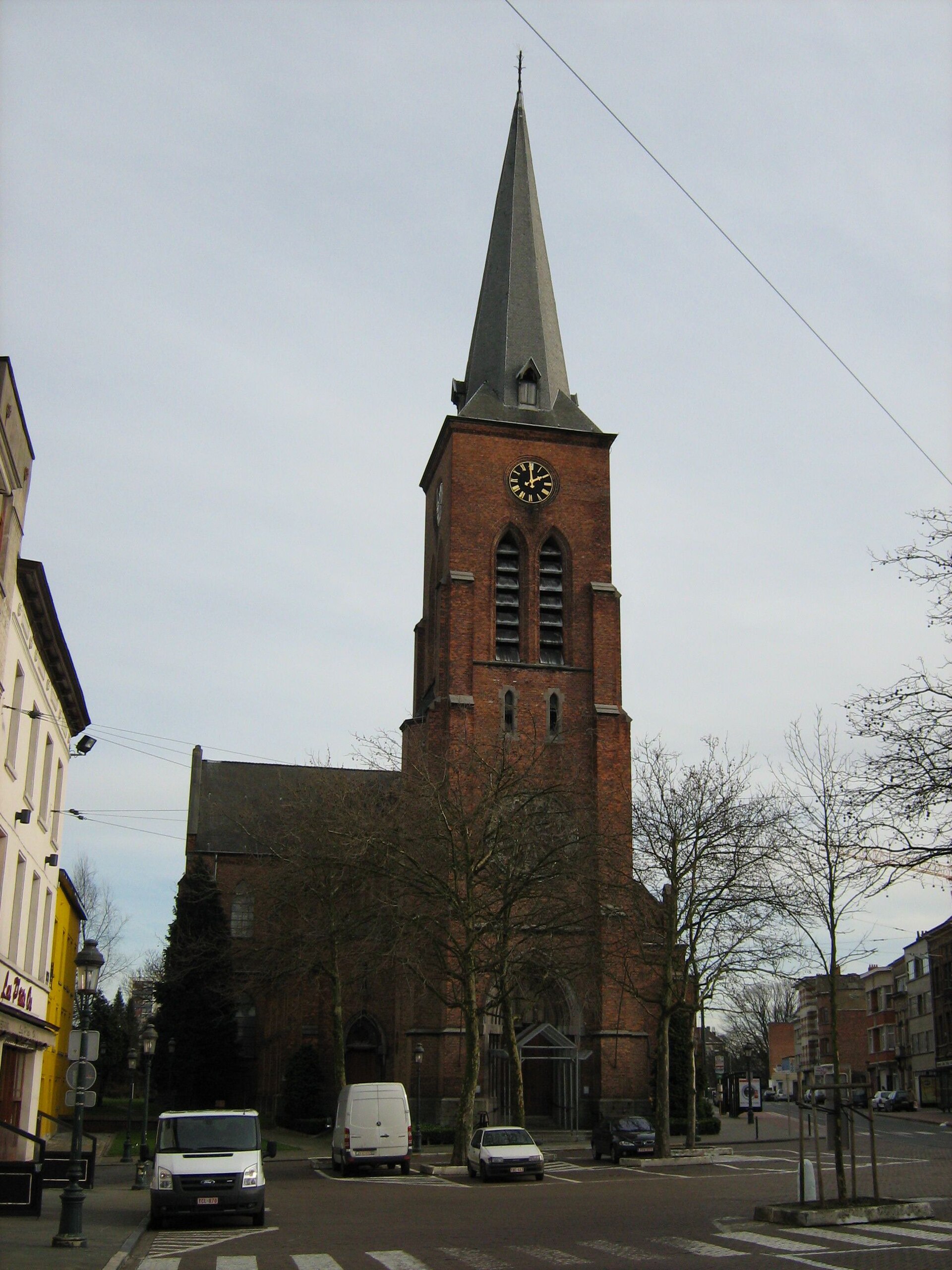
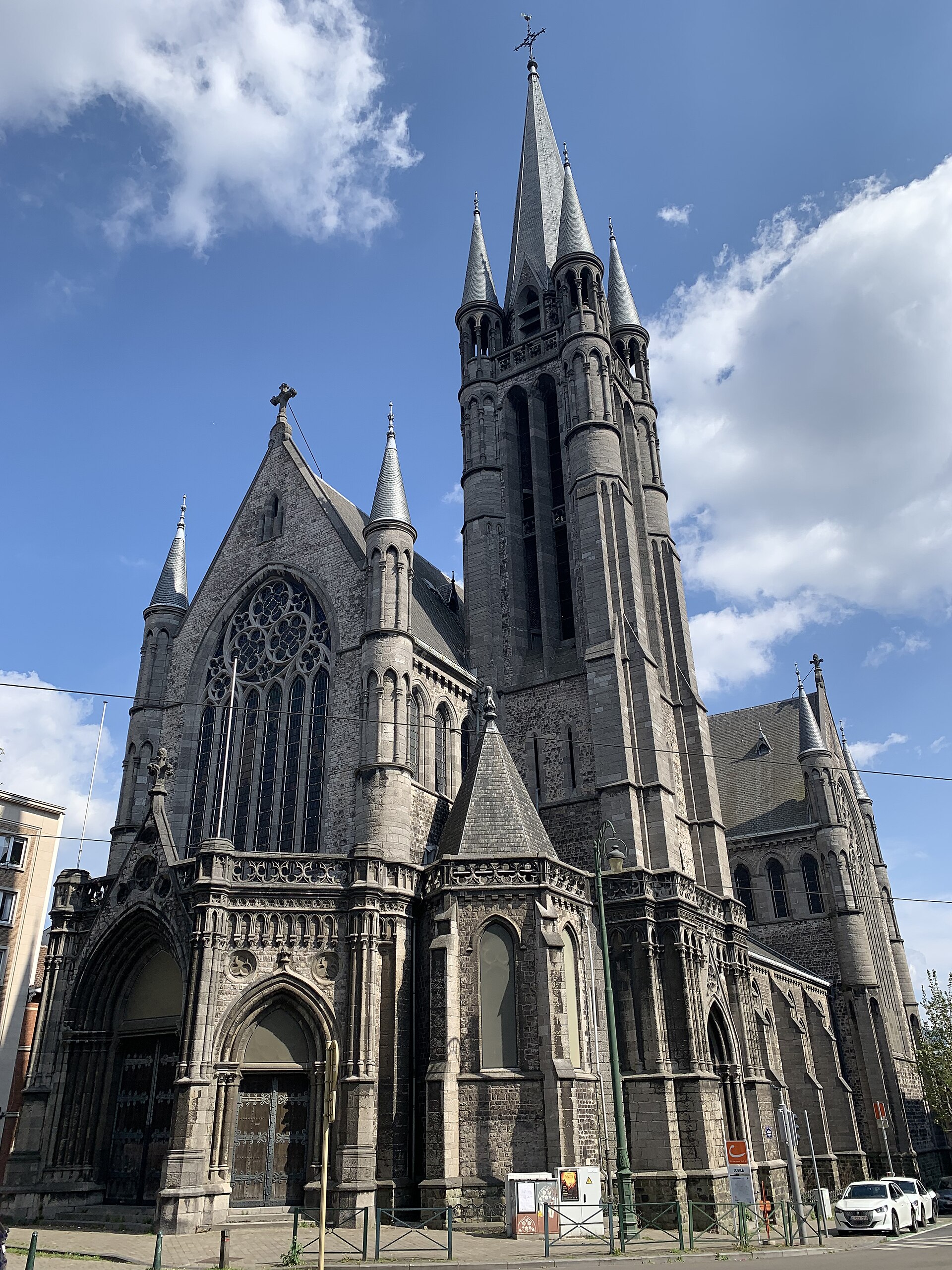
Church of Our Lady of Lourdes is a parish church in the Brussels municipality of Jette, standing on Charles Woestelaan in the Esseghem neighbourhood. The site actually brings together two chapters of local history: an older shrine built around a grotto, and a newer parish church erected in the mid-20th century a short distance away.
How did the Esseghem parish come about?
The story starts in 1913. Jette's population was growing so fast at the time that the existing Saint Peter's parish could no longer serve the new Esseghem district properly. Cardinal Mercier responded by commissioning Michel Swalus, then assistant pastor at Saint Peter's, to establish a new parish centre for this part of town. Swalus became the driving force behind the devotion to Our Lady of Lourdes that would define the site.
What is the grotto and the Lourdes domain?
Before today's larger church existed, a chapel dedicated to Our Lady of Lourdes was built on the original domain, together with a grotto — a spot locals still affectionately call "'t grotteke van Jette." During the interwar years an adjoining plot was acquired, allowing for a sloping park laid out with a Way of the Cross: fourteen Stations, fifteen rosary chapels, and a small Calvary hill. The whole ensemble is a notable example of rustic cement work ("rocaille") by Octave Tondeleir, an architect from Vieux-Dieu who specialised in this kind of devotional landscaping in Belgium. The original neo-Gothic church on the domain was eventually converted into the grotto's chapel once the new parish church was finished.
How did the current church on Charles Woestelaan come to be?
As the parish kept growing, the old chapel could no longer accommodate the congregation. The first stone of the new, larger Our Lady of Lourdes church was laid on 9 May 1948, near the original domain, on Charles Woestelaan. This building has served as the main parish church ever since, while the older structure on the domain continues its life as the grotto chapel.
What stands out inside the church?
One of the most distinctive features is the set of stained-glass windows, designed in the 1930s by master glazier Fernand Crickx. They depict saints alongside biblical scenes from the lives of Mary and Jesus, reinforcing the strongly Marian, devotional character that runs through the whole site — from grotto to church.
Frequently asked questions
Are the church and the grotto the same place? Not exactly — it is one overall site but two distinct structures: the newer parish church on Charles Woestelaan (1948) and the older grotto chapel on the original domain, which also includes the Stations of the Cross and the rosary chapels.
Who created the park with the grotto and Way of the Cross? The rustic cement work in the park was carried out by Octave Tondeleir, an architect-rocailleur who specialised in this style of devotional garden design in interwar Belgium.
What are the most distinctive features inside the church? The 1930s stained-glass windows by Fernand Crickx, depicting scenes from the lives of Mary and Jesus along with various saints.
Why was the parish founded specifically in Esseghem? Because Jette's rapid population growth in the early 20th century meant the existing Saint Peter's parish could no longer adequately serve the fast-expanding Esseghem district.
Nearby places

Earn badges for the places you visit
Download NextOnTrip, discover new places and check off your trails.