About this place
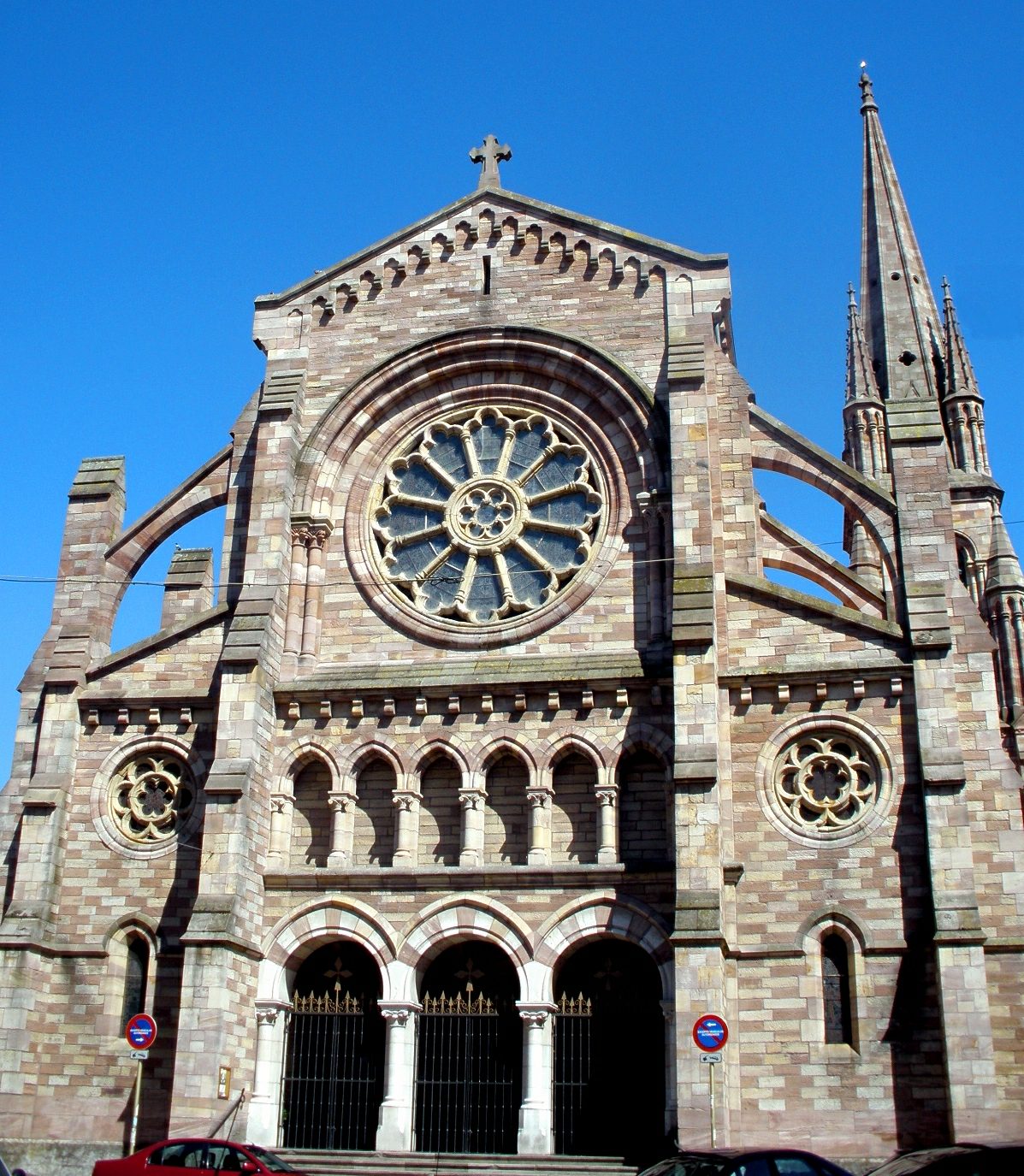
The Church of Nuestra Señora de la Asunción stands in Novales, the seat village of the municipality of Alfoz de Lloredo in Cantabria, northern Spain. Its tall tower rises above the rooftops of this small settlement and can be spotted from a considerable distance, making it a familiar landmark for anyone travelling along the coastal municipalities near the Bay of Santander.
How old is the church?
The building visitors see today dates back to the mid-16th century. It was commissioned by the council of Novales, which decided to replace an earlier, more modest church dedicated to Santa María with a much larger Renaissance structure. This kind of project was common across Cantabria during that era, as growing rural communities sought to express their prosperity through ambitious new parish churches.
What style and layout does the building follow?
The church belongs to a type known locally as an "iglesia columnaria" (columned church), typical of Renaissance religious architecture in this part of Spain. It follows a basilical plan with three naves divided into three bays each, closed by a polygonal apse. A sturdy tower rises at the entrance front. The building covers roughly 1,700 square metres, with the main body reaching 19 metres in height and the tower climbing to around 50 metres — an unusually imposing scale for a village church. The design is attributed to architect José María Basterra, and the main façade faces south.
What can visitors see on the outside and inside?
On the south wall, a classicist-style portico shelters the main entrance beneath a semicircular arch. Set within it is a stone carving of the Virgin of the Assumption, whose style is linked to the workshop tradition of Gregorio Fernández, one of the most influential Spanish Baroque sculptors. Inside, the church houses a substantial main altarpiece dating from the mid-17th century, decorated with sculptures of the apostles that likewise reflect Fernández's stylistic influence. This combination of a Renaissance shell with a Baroque interior is part of what makes the church a notable stop for anyone interested in Cantabria's religious art and architecture.
Is the church a protected heritage site?
Yes. A resolution dated 27 August 2001, published in the Official Bulletin of Cantabria on 12 September of that year, listed the church in the General Inventory of Cultural Heritage of Cantabria as a protected asset (Bien Inventariado). This designation formally recognises its historical and artistic significance within the region.
Frequently Asked Questions
When was the Church of Nuestra Señora de la Asunción built? The current building dates from the mid-16th century and was raised in the Renaissance style at the initiative of the Novales council.
How tall is the church tower? The tower reaches around 50 metres, while the main body of the church stands about 19 metres tall, making it one of the more imposing village churches in the area.
Who designed the church? The building's design is attributed to architect José María Basterra.
What is depicted in the entrance portico? The south-facing portico holds a stone image of the Virgin of the Assumption, carved in a style associated with the sculptor Gregorio Fernández.
Nearby places

Earn badges for the places you visit
Download NextOnTrip, discover new places and check off your trails.