About this place
The chapel of Saint Joseph sits above El Forcall on a rise overlooking the Calders river valley, right next to a viewpoint garden and a Calvary path leading up to it.
When was the chapel built?
The hermitage dates to 1682 and was built in the Baroque style. Its most recognisable feature is a covered portico with semi-circular arches at the entrance — a common design in rural chapels of this part of Spain, meant to shelter visitors before they step inside and to mark the building as a stopping point along a pilgrimage route.
What does the site actually include?
The chapel is only one part of a wider ensemble. Alongside the hermitage itself stand a viewpoint garden overlooking the Calders river and a Calvary, the Stations of the Cross leading to the chapel door. What sets this Calvary apart is its material: the stations are made of terracotta rather than the glazed tiles typically used elsewhere in the region, making it an unusual example among similar roadside Calvaries in this area of Spain.
Can visitors go inside today?
No. The building is currently closed to the public and is in a ruined state. That has not stopped it from being a popular stop for locals and visitors passing through El Forcall — the draw here is less the interior and more the setting. From the terrace beside the chapel, the view opens onto Mola Garumba peak and the surrounding hills, making this one of the more rewarding lookout points near the town centre.
What else is nearby?
Right next to the chapel stands the Museu de la Santantonà, a small local museum dedicated to El Forcall's traditions. The walk from the town centre up to the chapel passes along the Calvary itself, so a short outdoor stroll doubles as a look at a piece of local devotional history. It works well as a low-key alternative for travellers who have already covered the historic centre and want a quieter spot within easy walking distance.
Is it worth visiting even though it's in ruins?
A ruined building is not usually a destination on its own, but here the surrounding elements carry the visit: the Baroque portico, the unusual terracotta Calvary, and the river-valley viewpoint together add up to a site with genuine landscape and historical interest, even with the hermitage itself closed off. For anyone exploring the small-town religious architecture of the Maestrazgo area, it is a worthwhile addition to a visit to El Forcall.
Frequently Asked Questions
Can you go inside the chapel of Saint Joseph? No — the building is currently closed and in ruins, so visits are limited to the surrounding garden and viewpoint rather than the interior.
How old is the chapel? The hermitage was built in 1682 in the Baroque style, evident in the covered portico with semi-circular arches at its entrance.
What else is worth seeing around the chapel? The adjoining Calvary has terracotta Stations of the Cross, unusual for the region, and the nearby Museu de la Santantonà covers local traditions.
What can you see from the site? The terrace next to the chapel looks out over Mola Garumba peak and the Calders river valley, making it a well-regarded viewpoint in El Forcall.
Nearby places
-

Església Parroquial de la Mare de Déu de l'Assumpció
El Forcall
-
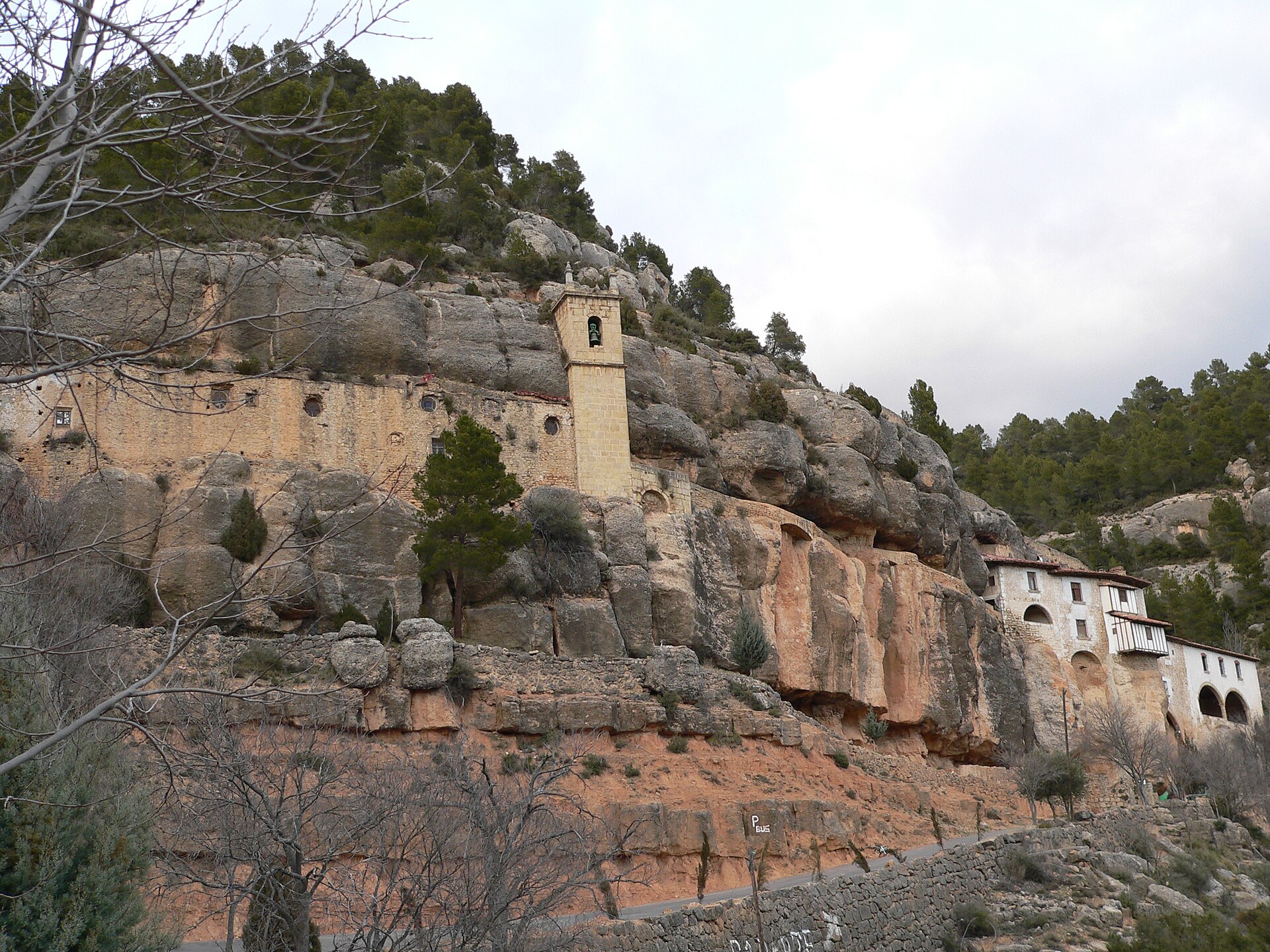
Santuari de la Mare de Déu de la Balma
Zorita del Maestrazgo
-
Church of Saint Bartholomew
Herbers
-
Sanctuary of the Mare de Déu del Llosar
Villafranca del Cid / Vilafranca
-
Ermita de Santa Bàrbara de Vilafranca
Vilafranca
-
Vallivana Sanctuary
Morella
Earn badges for the places you visit
Download NextOnTrip, discover new places and check off your trails.