About this place
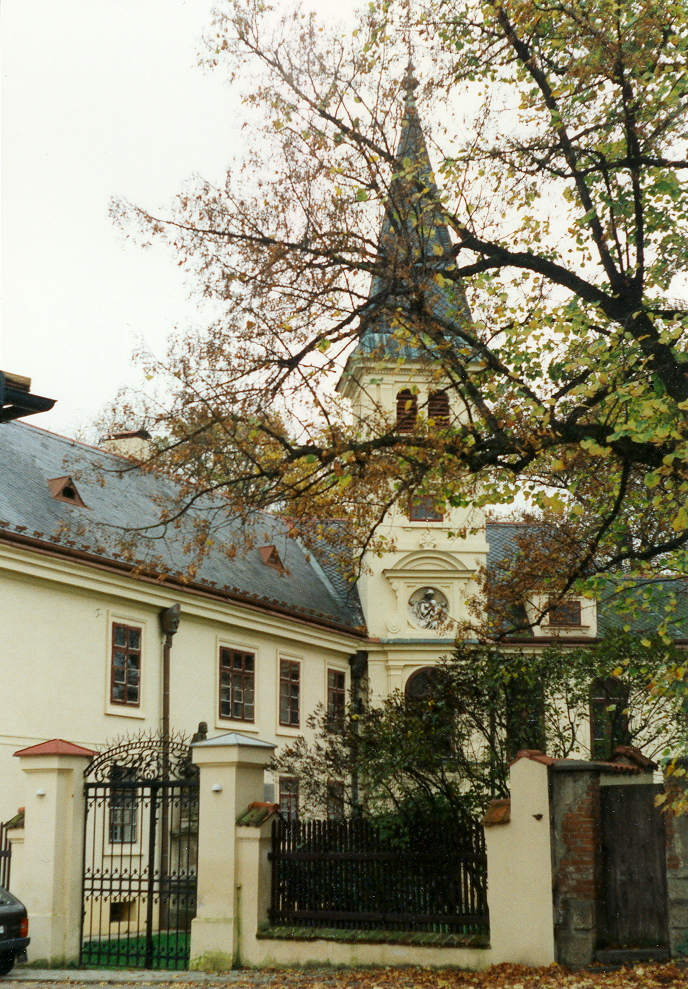
Červené Poříčí Castle is a Renaissance château in the small village of the same name in the Klatovy district of the Plzeň Region in western Czechia. Modest at first glance, it holds more than seven centuries of history and has carried the title of National Cultural Monument since 2010.
Where does the name come from and what happened here?
The settlement of Poříčí (without the "Červené" prefix) is first documented in 1318, when Jaroslav of Poříčí is recorded as its owner. By the mid-16th century the estate belonged to Jindřich Mladota, who built a fortified manor house here — its foundations were later uncovered during archaeological research in the garden west of today's château. That first structure burned down in a major fire in 1606.
On its ruins, Mikuláš II Šic of Drahenice, son of Albrecht Šic, raised a new late-Renaissance château by the Bradlava stream. A stone plaque above the main entrance from the courtyard bears the date 1611, marking the true birth of the building visitors see today. Its roof was covered with red fired tiles that shone brightly from a distance — and this is exactly where the village's name comes from: Červené Poříčí, meaning "Red Poříčí."
The Šic family's fortunes changed after the Battle of White Mountain. Mikuláš II, a supporter of the Bohemian Estates and King Frederick of the Palatinate, lost two-thirds of his property to the royal chamber. In 1623 the estate was bought by Colonel Filip Adam of Kronberk. In the 18th century the château passed to the Czernin family, who modernized the Renaissance residence into a more comfortable, representative seat. During the 19th century the estate became direct property of the imperial Habsburg family, who removed most of the valuable furnishings and turned the château into the administrative seat of the large estate. After Czechoslovakia was founded in 1918, all Habsburg property was nationalized. At the end of the 1990s, the National Heritage Institute (NPÚ) took over the site and began a long-overdue reconstruction.
What can you see inside?
The great value of Červené Poříčí lies in the fact that, unlike many Czech castles, the building was never subjected to radical later reconstructions. As a result it survives as a rare, nearly complete example of Saxon Renaissance architecture in the Plzeň Region.
Guided tours walk visitors through the architectural evolution of the building and the everyday life of the estate's inhabitants over the centuries. A particular highlight is the orangery, which is still used for its original purpose today — overwintering citrus and fig trees, exactly as the estate's caretakers did in past centuries. The forebuilding houses an exhibition titled "Children from the Golden Cradle," dedicated to early childhood in noble families during the long 19th century.
How to get there and when to visit?
The château stands in the village of Červené Poříčí, close to Klatovy, and is easily reached by car from either Plzeň or Klatovy. Visits are seasonal, mostly during the summer months, and take the form of guided tours — it's worth checking the current schedule before arriving, since as an NPÚ-managed monument it is not open year-round. Spring and summer are the best times to come, when the orangery looks its best and the surrounding park invites a longer stroll.
Frequently asked questions
Is Červené Poříčí Castle open to visitors all year round? No — tours run seasonally, generally from spring to autumn, and only with a guide. Outside the season the château is usually closed to individual visitors.
Where does the name of the village and castle come from? "Červené Poříčí" comes from the red fired roof tiles used on the new château built in 1611 — the roof shone red from a distance and gave the whole village its name.
What is the biggest highlight inside the château? The historic orangery, still used to overwinter citrus and fig trees, along with an exhibition on childhood in 19th-century noble families housed in the forebuilding.
Has the castle ever been rebuilt? In the 18th century the Czernin family modernized the interiors, but compared with many other Czech castles, the building has largely retained its original Renaissance character from 1611.
Nearby places

Earn badges for the places you visit
Download NextOnTrip, discover new places and check off your trails.