About this place
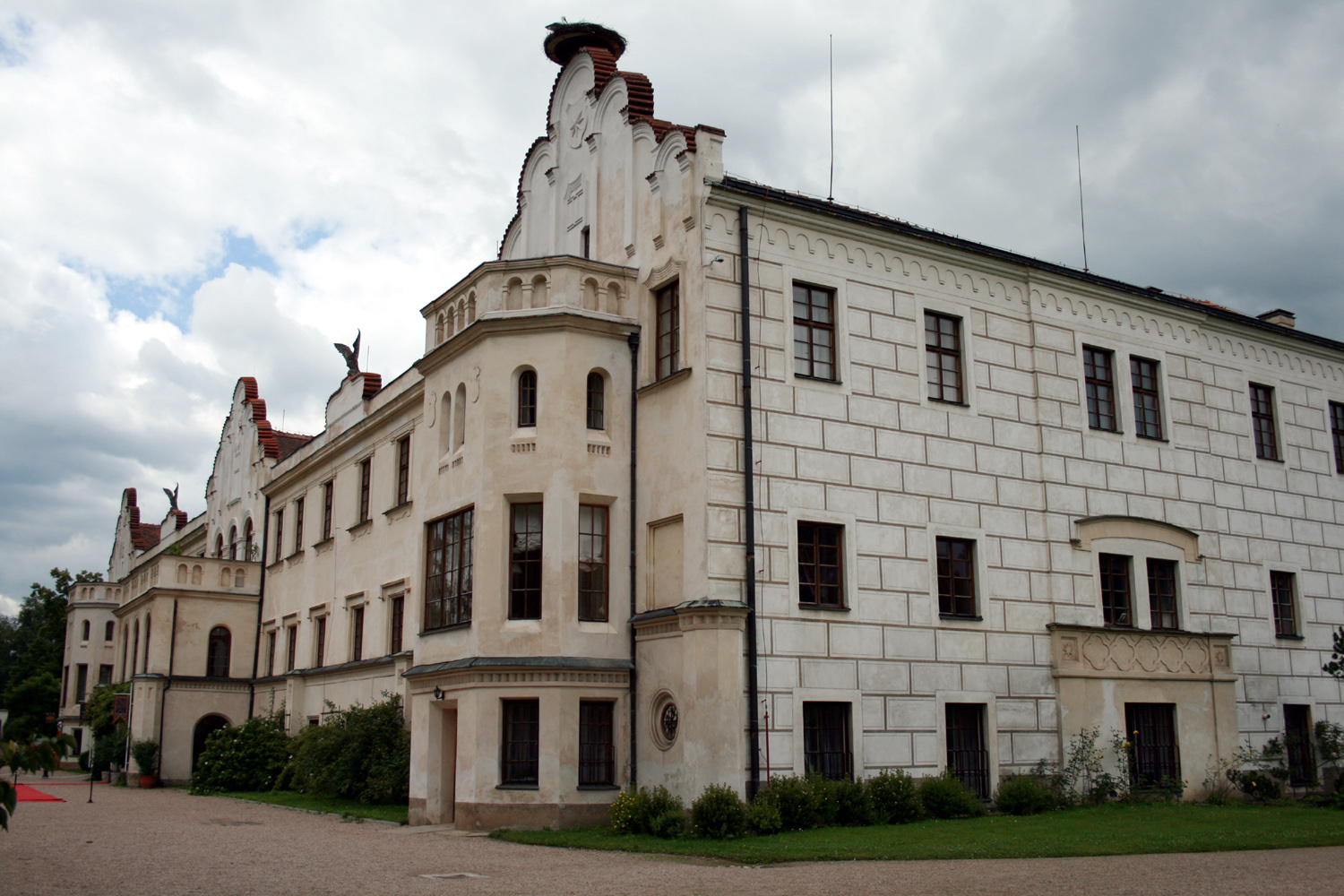
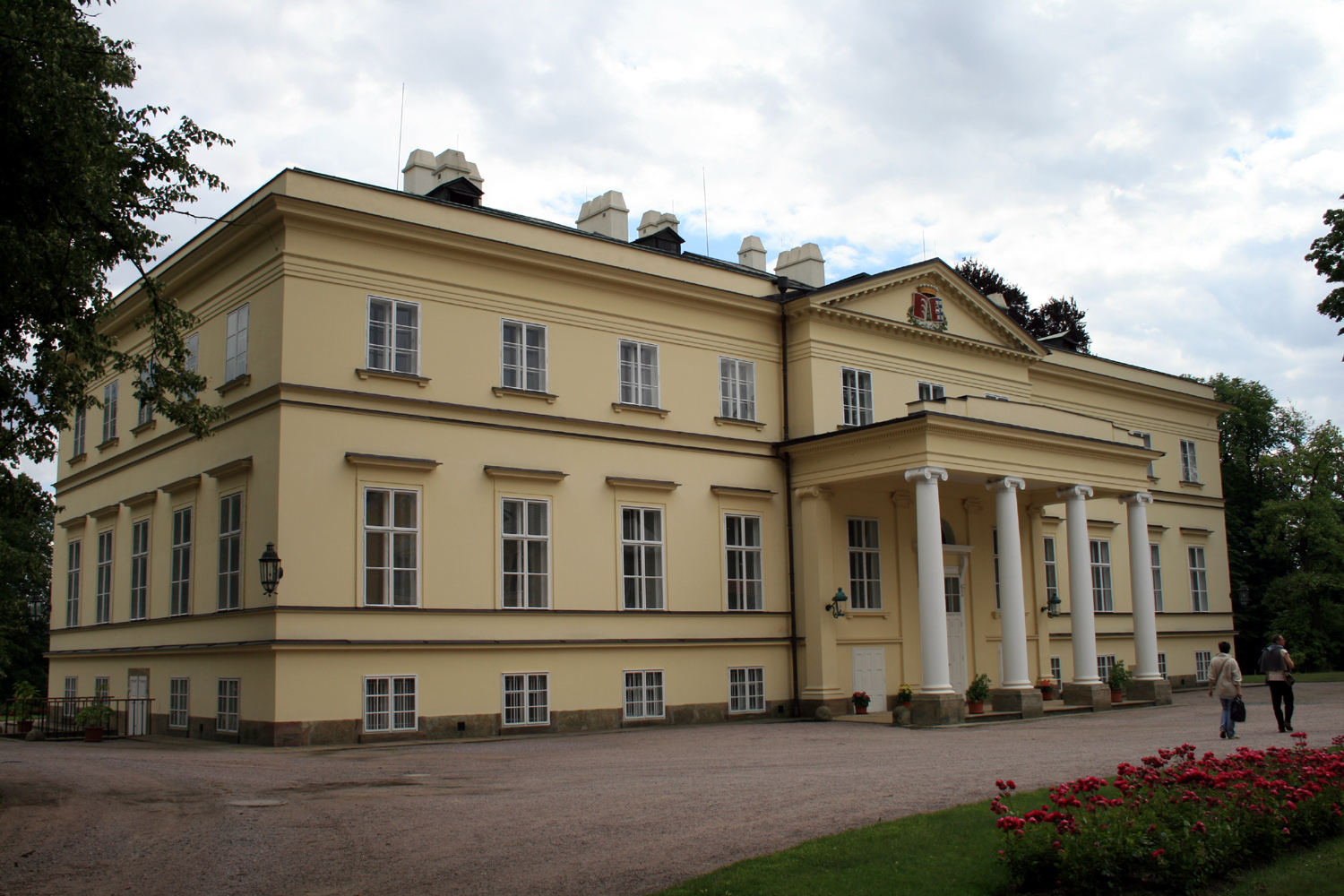
Černíkovice Chateau stands in Domašín, a village administratively part of the Černíkovice municipality in the Czech Republic, tucked at the foot of the Orlické Mountains roughly 6 km northwest of Rychnov nad Kněžnou.
How did this estate begin?
The site's story starts in the 16th century, when Matyáš Dobeš of Olbramovice built a Renaissance fortress here after 1558, replacing an earlier and more modest fortified structure. By 1572 the Černíkovice estate had grown well beyond the fortress itself, taking in surrounding villages including Domašín and the abandoned stronghold of Ostrov. Ownership passed through several noble families over the following century — records mention the von Lammersdorf line and the Trčka of Lípa family — before František Karel Libštejnský of Kolovrat purchased the estate in 1674. From that point on, for nearly three centuries, the property's history ran parallel to that of the Kolovrat family, specifically its Rychnov branch.
When did the fortress become a chateau?
A Baroque residence replaced the Renaissance fortress on this spot during the 18th century, but the building's most dramatic transformation came later, between 1822 and 1825. František Antonín Kolovrat commissioned Viennese architect Heinrich Koch to rebuild the estate entirely, and the result was the Classicist Empire-style chateau that, with some later alterations, still stands today. That shift from a defensive stronghold to a refined noble residence mirrors a broader pattern among Czech aristocratic families in the 19th century, who traded fortification for comfort and status as military functions became obsolete.
What happened here during the 20th century?
Until 1945 the chateau served as the summer residence of the Rychnov branch of the Kolovrat family. Postwar nationalization in 1948 abruptly ended that arrangement — the building was handed over to a youth social care institution, which operated there continuously throughout the communist era. The political changes after 1989 opened the door to property restitution across Czechoslovakia and later the Czech Republic. Kryštof Kolowrat Krakowský Liebsteinský filed a restitution claim and legally regained the property in 1990, though the care institution itself remained in the building until 2001 — a reminder that legal restitution and actual handover of a property were often two very different timelines.
Can visitors tour the chateau today?
The chateau remains privately owned, and while it is well preserved, it is not open to the public. There are no scheduled guided tours or permanent museum exhibitions here, unlike many other Czech castles and chateaux that were converted into visitor attractions after 1989. For anyone exploring the Orlické Mountains region, Domašín's chateau is better regarded as a notable stop along a scenic route — an Empire-style building worth viewing from the outside — rather than a ticketed destination. It is worth keeping this in mind when planning a visit, since entry to the interior simply is not available.
Why does this place matter?
The chateau at Domašín offers an unusually continuous ownership story, rare in Central Europe: a 16th-century fortress, a Baroque rebuilding, a Classicist transformation, postwar nationalization, and eventual restitution to descendants of the very family that had held the estate since the 17th century. The village name itself, Domašín, appears in the historical record as far back as 1572, when it became part of the sprawling Černíkovice estate — evidence of how long this corner of the Orlické Mountains foothills has been settled.
Frequently asked questions
Can you visit Černíkovice Chateau in Domašín? No. The chateau is privately owned and is not open to tourists; there are no regular guided tours.
Who built the original fortress on this site? Matyáš Dobeš of Olbramovice built the Renaissance fortress after 1558, and by 1572 the estate already included Domašín and neighboring villages.
When did the chateau take on its present Classicist appearance? The rebuilding took place between 1822 and 1825, commissioned by František Antonín Kolovrat and designed by Viennese architect Heinrich Koch.
What happened to the chateau after World War II? It was nationalized in 1948 and used as a youth social care institution until 2001, even though the Kolovrat family legally regained ownership through restitution back in 1990.
Nearby places

Earn badges for the places you visit
Download NextOnTrip, discover new places and check off your trails.