About this place
The Cemetery of Logroño is the main municipal burial site of the capital of La Rioja, founded in 1832. Far from being a purely functional space, it has grown over nearly two centuries into a place with recognized historical and artistic value, reflecting the story of the city itself through its tombs, chapels and decorative elements.
Who founded the cemetery?
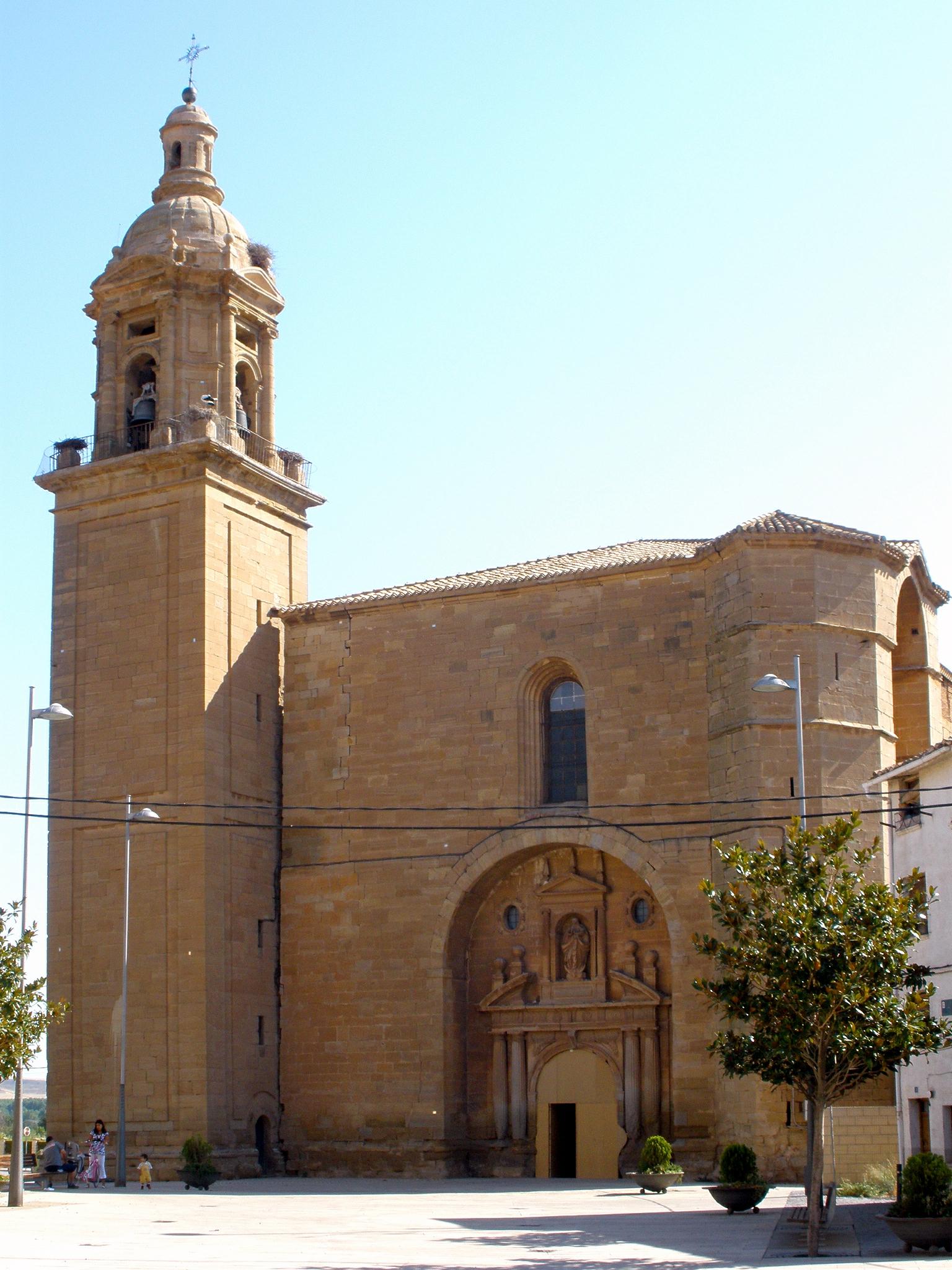
The cemetery was created on the initiative of Cayetano de Sierra, a beneficiary priest serving at the church of Santa María de Palacio — one of the oldest churches in Logroño, known for its distinctive pyramid-shaped spire. Establishing a dedicated municipal burial ground outside the old town followed a broader 19th-century Spanish trend of moving cemeteries away from parish churches to the edges of cities, driven mainly by sanitary and urban-planning concerns.
What can visitors find here?
The cemetery brings together graves and funerary monuments spanning almost two hundred years of local history, effectively functioning as a record of the city's collective memory. Among the notable burials is Pepe Blanco, a musician and singer of jota, the traditional Spanish folk music genre, credited with helping bring Logroño's name to wider stages. His grave is often mentioned as a point of interest for those tracing the city's cultural past.
Why does the cemetery matter historically?
In 2006, the Municipal Archive of Logroño launched a research project dedicated to the site. The goals were to establish the cemetery's historical origins, reconstruct the process of its construction and expansion, review the available archival documentation, and compile an inventory of elements with artistic and historical significance — including tombstones, sculptures, family chapels and architectural details. This work confirmed that, beyond its primary function, the cemetery represents a valuable piece of the city's heritage, comparable in importance to other historic sites in Logroño.
Where is it located?
The cemetery lies within the municipal boundaries of Logroño, the capital of La Rioja in northern Spain. Given its nature, it is not a conventional tourist attraction, but it does draw visitors interested in local history, family genealogy research, and 19th- and 20th-century funerary art.
Frequently Asked Questions
When was the Cemetery of Logroño founded? It was established in 1832 on the initiative of the priest Cayetano de Sierra.
Who is buried at the Cemetery of Logroño? Notable burials include Pepe Blanco, a musician and jota singer whose work helped popularize Logroño's name across Spain.
Does the cemetery have heritage value? Yes — since 2006, research and inventory work has been carried out to document the historical and artistic value of its tombstones and other elements.
Can tourists visit the cemetery? It remains an active burial ground, but its historic sections are sometimes visited by people interested in the history of Logroño and the La Rioja region.
Where exactly is the cemetery located? It is located in Logroño, in northern Spain, in the region of La Rioja.
Nearby places

Earn badges for the places you visit
Download NextOnTrip, discover new places and check off your trails.