About this place
El Masnou Cemetery (Cementiri del Masnou) is far more than a burial ground — it stands as one of the most significant collections of modernist funerary art in the Maresme region, often described as an open-air museum. Located on the outskirts of the coastal town of El Masnou, just north of Barcelona, it draws visitors interested in Catalan art and architecture as much as families paying respects to the deceased.
How the cemetery came to be
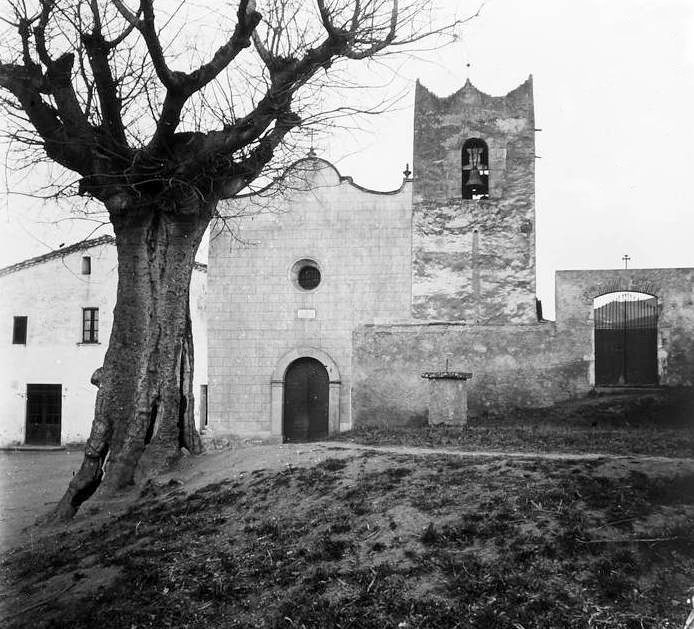
El Masnou's original burial ground dated back to 1783, sitting beside the parish church of Sant Pere, following the common practice of the time of burying the dead within church grounds. As the town grew, this small plot became inadequate, and by 1865 the local health board decided burials needed to move away from the town centre for sanitary reasons.
The new cemetery was designed by architect Miquel Garriga i Roca, with construction beginning in 1867. The project stretched across several decades, and at the turn of the 20th century municipal architect Gaietà Buïgas drew up a further reform of the site's layout.
An unexpected artistic flowering
The cemetery's true artistic golden age arrived in the first decade of the 20th century. El Masnou, a town that had grown wealthy through maritime trade and shipping, saw its prosperous families commission monumental family pantheons. Most of these were designed by Bonaventura Bassegoda i Amigó, a local architect working in the Catalan modernist idiom.
Leading sculptors of the era were brought in to decorate these tombs. One of the most striking is the pantheon of the Pere-Grau Maristany family, commissioned in 1901–1902 by the politician and patron Pere-Grau Maristany. Designed by Bassegoda, it features a cast-iron cross forged at the Masriera i Campins foundry and the sculpture "Faith Consoling Sorrow," created in 1901 by Josep Llimona, one of the towering figures of Catalan modernist sculpture.
Another remarkable example is the 1926 pantheon of the Pagès i Fàbregas family, designed by Torres i Grau and crowned by the sculpture "El desconsol" (Grief) by Frederic Marès, another major sculptor of the period. The Chapel of Sorrows, designed by Bassegoda in 1907 through the patronage of Bonaventura Fontanills i Rosés, is another notable structure within the cemetery grounds.
What visitors can see today
Walking through the cemetery's pathways reveals a rich array of architectural and sculptural forms typical of Catalan modernism — from monumental family pantheons to smaller graves decorated with plant motifs, mourning symbolism, and wrought-iron details. This concentration of high-quality sculpture and architecture is why Catalan heritage institutions recognise the site as a genuine piece of the region's cultural patrimony.
Frequently asked questions
Who designed El Masnou Cemetery? The original 1867 layout was designed by architect Miquel Garriga i Roca, while most of the later family pantheons were designed by Bonaventura Bassegoda i Amigó.
Which sculptures are worth seeing? Highlights include "Faith Consoling Sorrow" by Josep Llimona in the Maristany family pantheon and "El desconsol" by Frederic Marès in the Pagès i Fàbregas pantheon.
Why is the cemetery called an open-air museum? Because of its dense concentration of modernist architecture and sculpture, commissioned by wealthy El Masnou families in the early 20th century.
Nearby places

Earn badges for the places you visit
Download NextOnTrip, discover new places and check off your trails.