About this place
The Cathedral of María Inmaculada in Vitoria-Gasteiz, widely known as the New Cathedral, is a neo-Gothic Roman Catholic church in the capital of Spain's Basque Country. Standing in the central Lovaina district, it is one of the largest religious buildings raised in Spain during the twentieth century.
Why did Vitoria need a second cathedral?
In 1862 a diocese was established covering three historic Basque territories: Álava, Biscay and Gipuzkoa. The medieval Santa María church, now known as the Old Cathedral, was in poor structural condition and far too small to serve the clergy of the enlarged diocese. City and church authorities decided to commission an entirely new, much larger cathedral elsewhere in town.
How was the New Cathedral built?
Construction began on 4 August 1907, driven by Bishop José Cadena y Eleta and designed by architects Julián Apraiz and Javier de Luque. Funding problems dogged the project from early on, and progress slowed further once the bishop who had championed it was promoted to Archbishop of Burgos. In 1914 his successor, Prudencio Melo y Alcalde, halted the works altogether. The building was not finished and opened until 1969, more than six decades after the first stone was laid. Because of its size and the era in which it rose, the New Cathedral is often cited as one of the last great cathedrals built in Spain.
What does the interior look like?
The floor plan follows a Latin cross layout with five naves, an ambulatory circling the sanctuary, and a crypt beneath. The neo-Gothic style shows in pointed arches, ribbed vaulting and detailed stonework, although — as the building's unusual history explains — not every planned decorative element was ever carried out.
Why is the cathedral considered unfinished?
The original design called for two tall towers at the front, which would have given the building a much more vertical, soaring profile. Decades of funding gaps and construction stoppages meant the towers were never built, and some of the intended ornamentation was left out as well. The result is a structure that reads as more horizontal than its architects intended — technically incomplete, even though it has served as a working parish church for over fifty years.
Frequently Asked Questions
How is the New Cathedral different from Vitoria's Old Cathedral? The Old Cathedral, dedicated to Santa María, dates from the 13th and 14th centuries and stands in the upper, historic part of town. The New Cathedral, dedicated to María Inmaculada, was built in the 20th century in the city centre to serve the needs of the expanded diocese.
Where exactly is the cathedral located? It stands in central Vitoria-Gasteiz, in the Lovaina district, within easy reach of the city's other main sights.
Can visitors go inside? Yes, the church opens to the public on set days and hours during the week and at weekends; it's worth checking current opening times locally or by phone, since they can change.
Why do people say the cathedral was never completed? Because its original design was never fully carried out — most notably, the two towers meant to give it a taller, more vertical Gothic silhouette were never built.
Nearby places
-
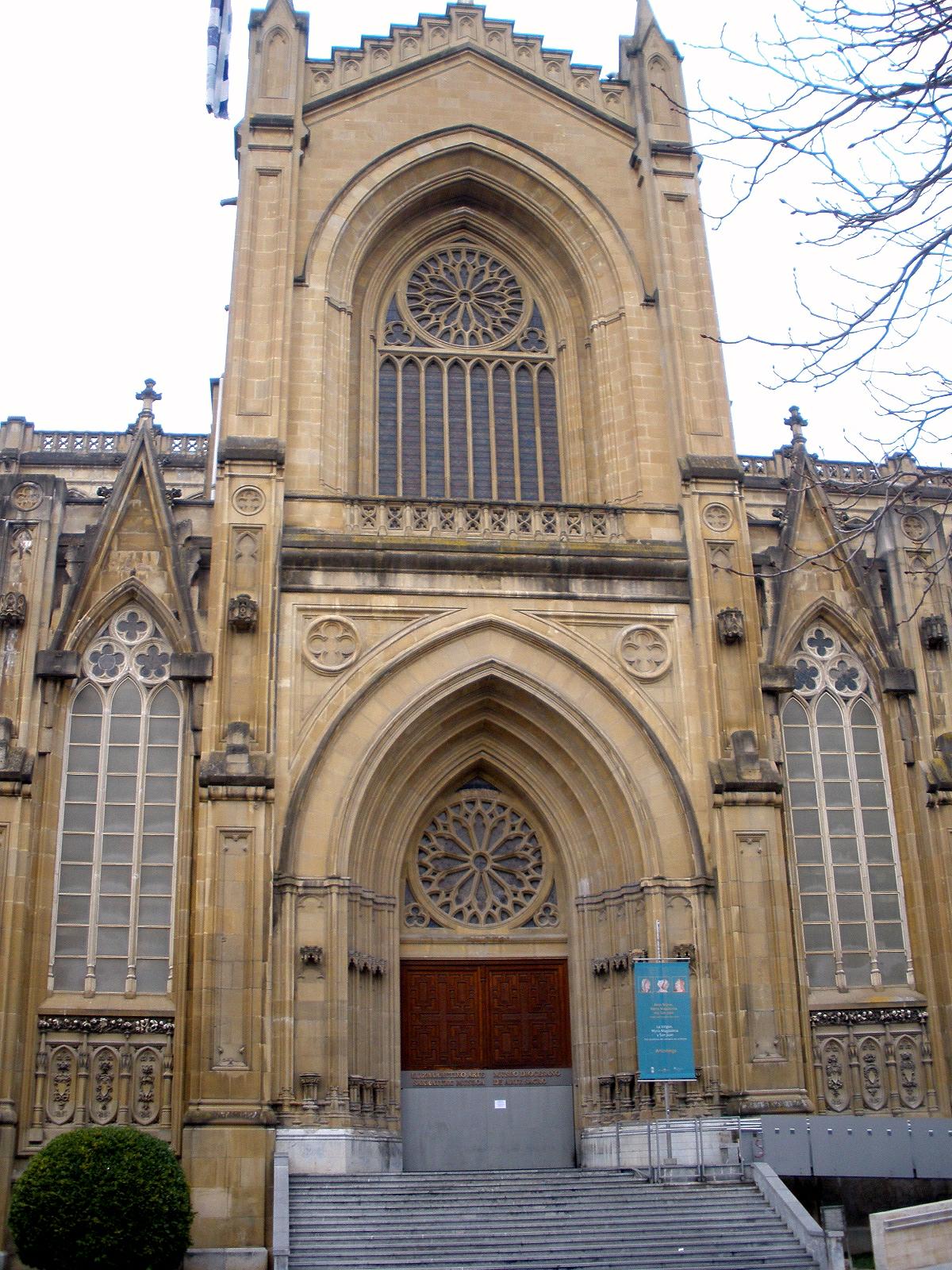
Museo Diocesano de Arte Sacro de Álava
Vitoria-Gasteiz
-
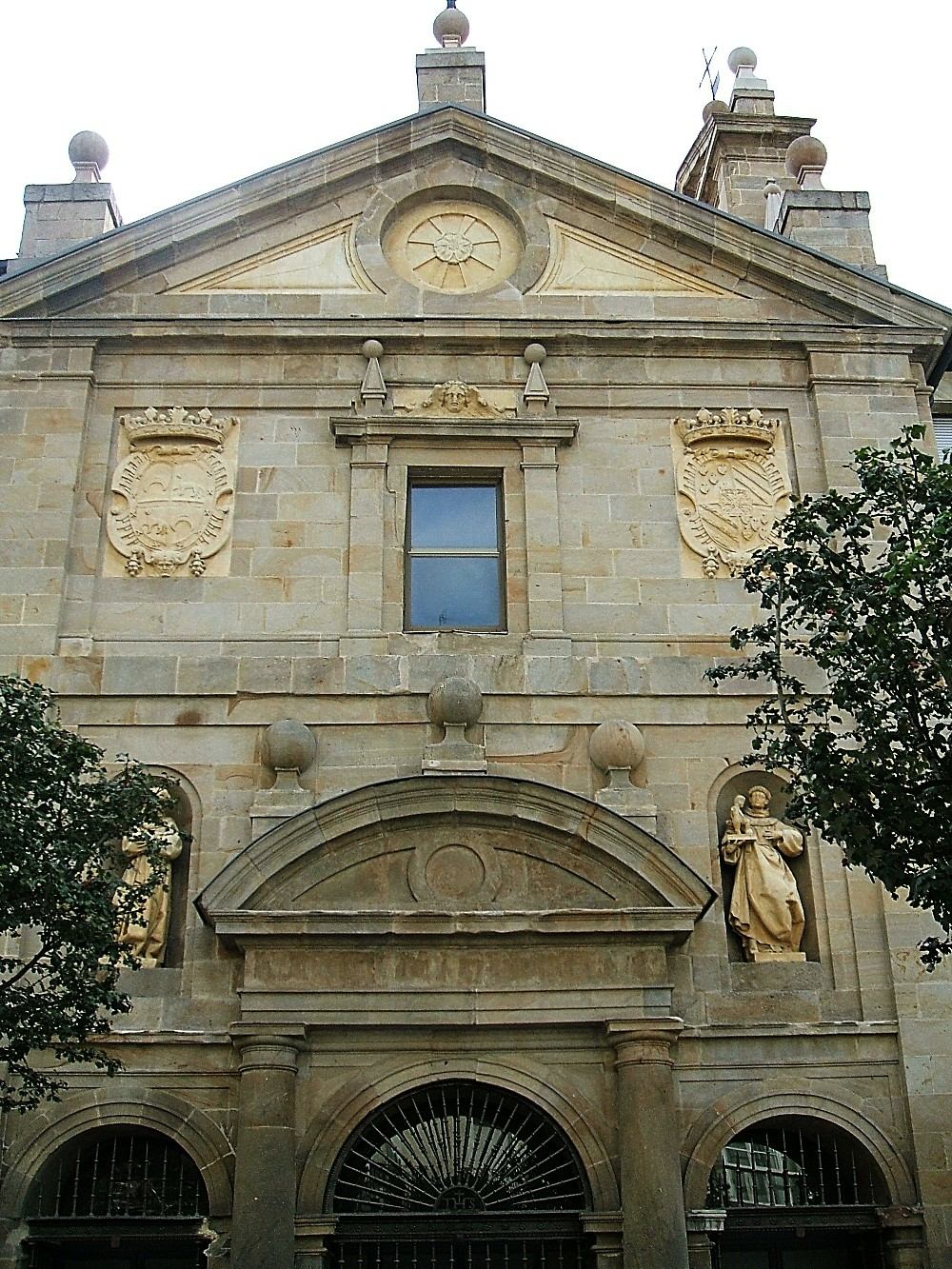
Convent of San Antonio, Vitoria
Vitoria-Gasteiz
-
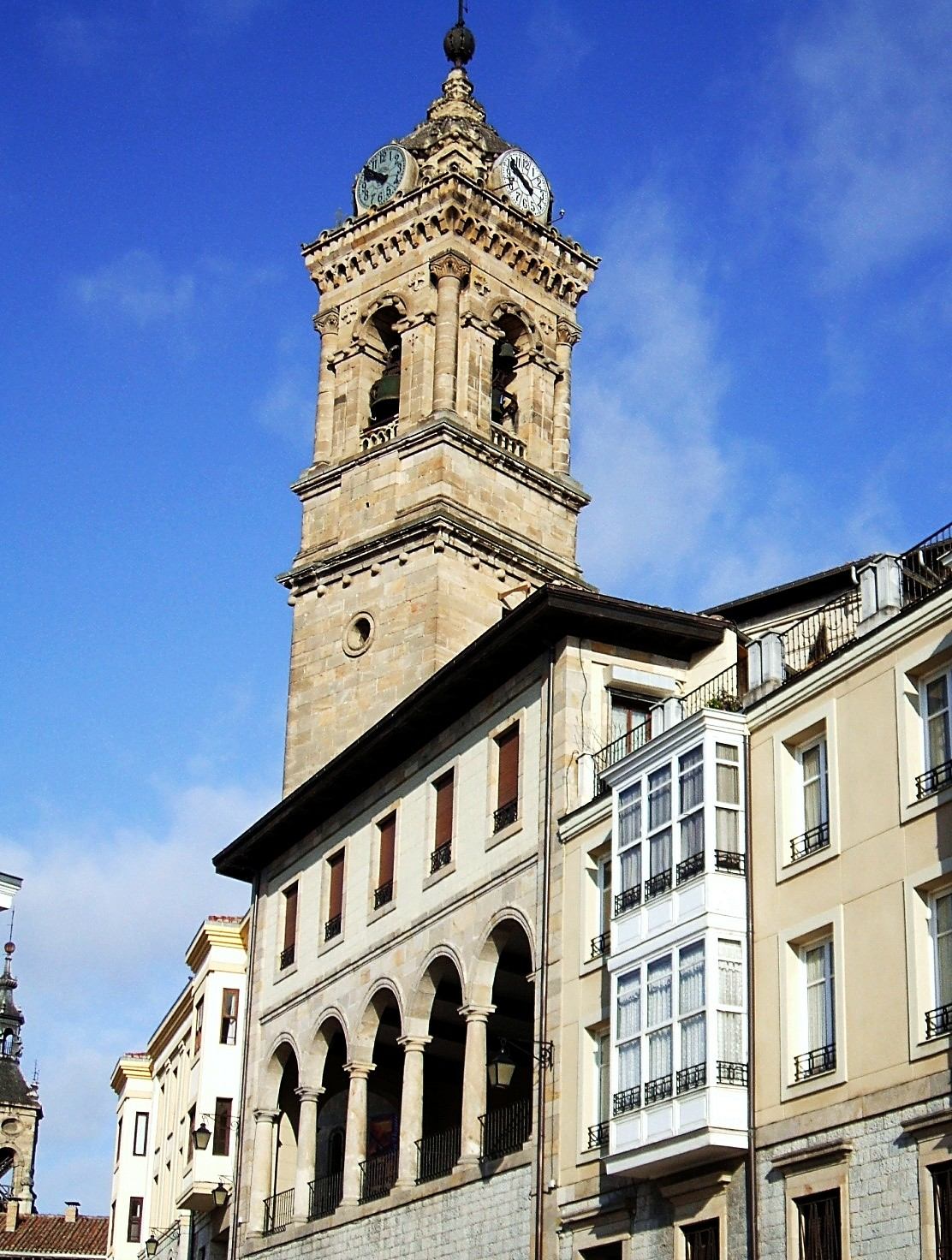
Church of San Vicente Mártir
Vitoria-Gasteiz
-
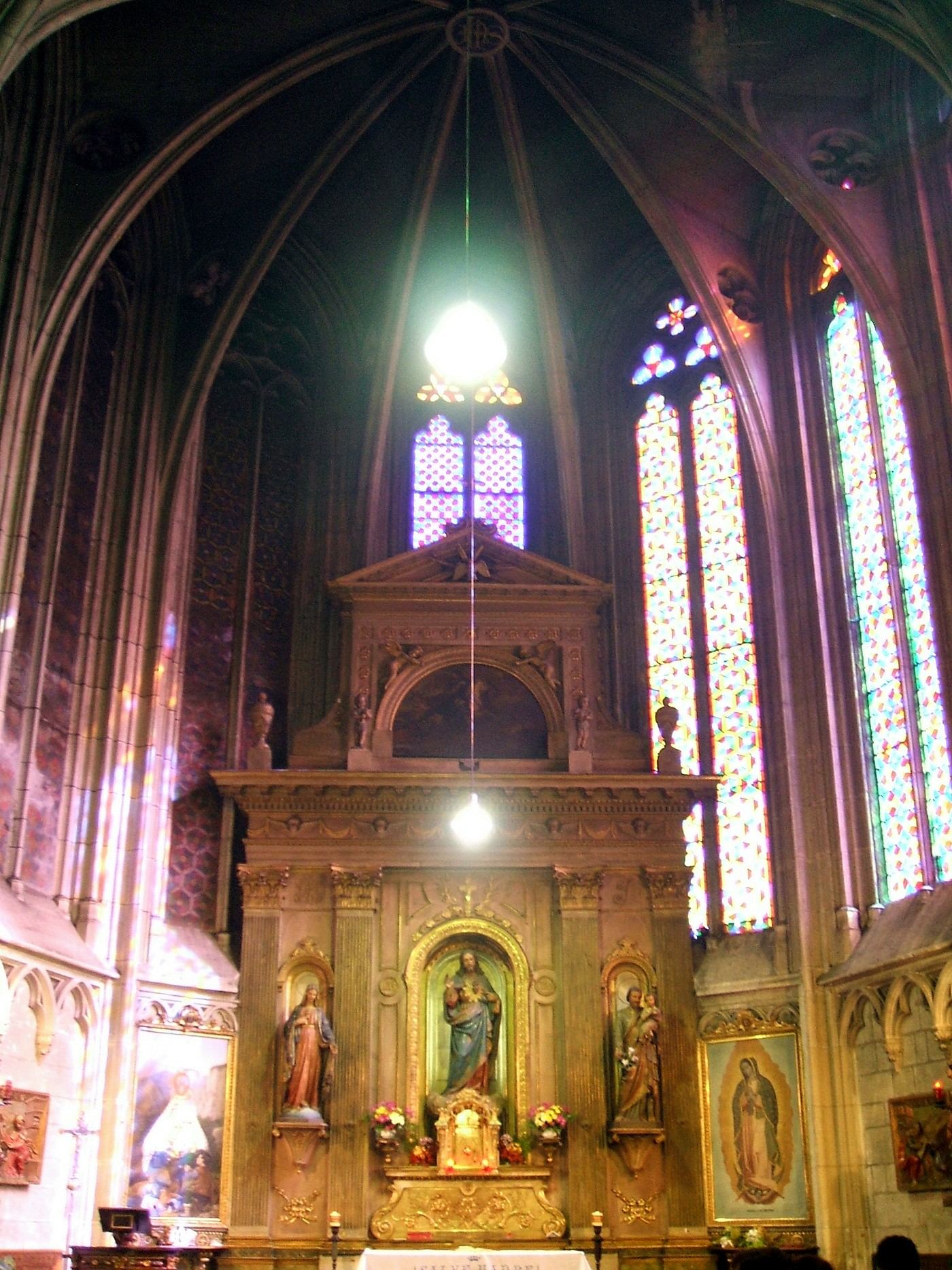
Church of Santa María, Vitoria
Vitoria-Gasteiz
-

Cathedral of Santa María de Vitoria
Vitoria-Gasteiz
-
Church of Nuestra Señora de los Desamparados, Vitoria
Vitoria-Gasteiz
Earn badges for the places you visit
Download NextOnTrip, discover new places and check off your trails.