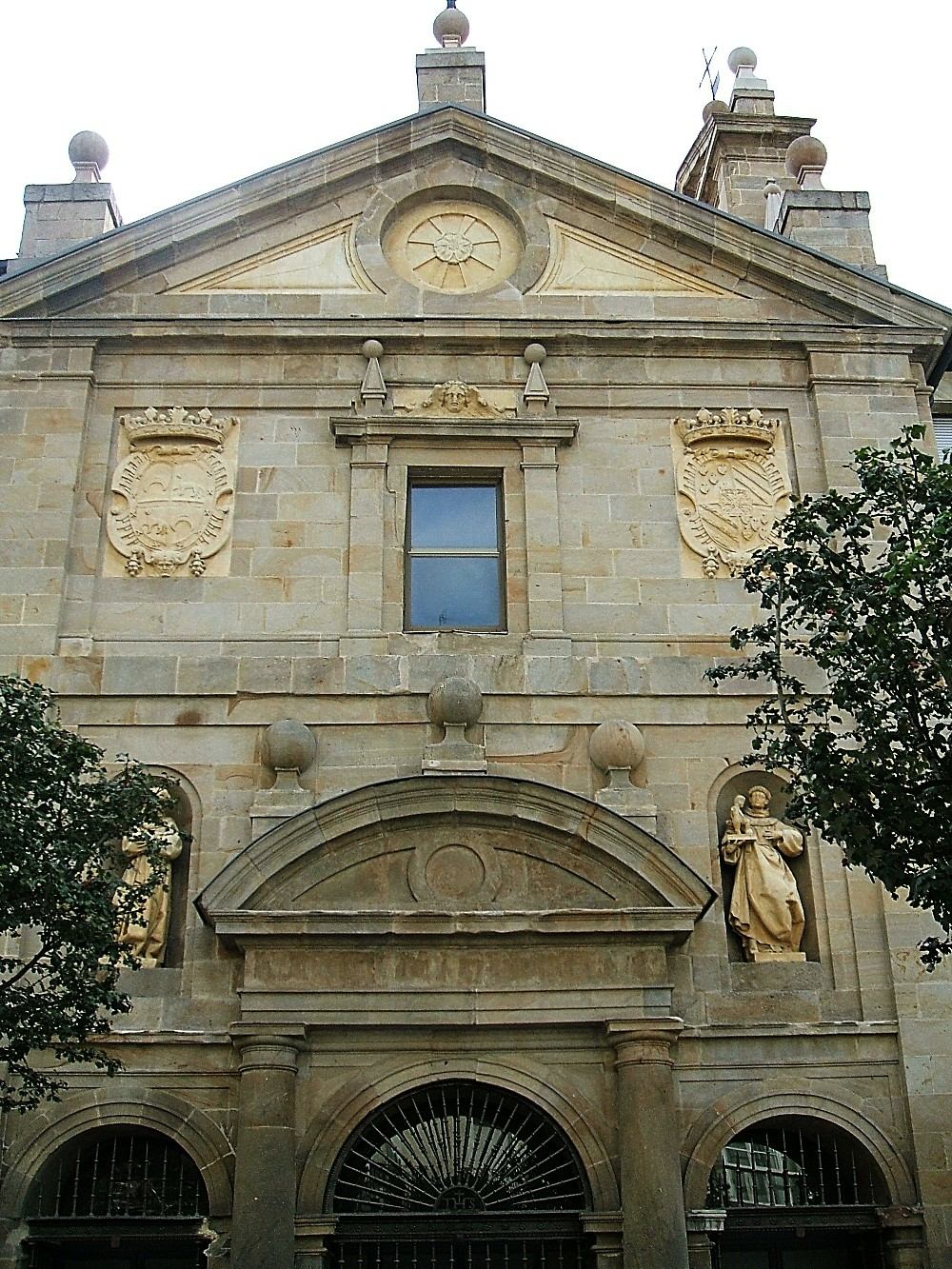
About this place
The Convent of San Antonio in Vitoria-Gasteiz is a convent of Poor Clare nuns standing on the pedestrianized Plaza General Loma, right in the heart of the Basque capital's old town. Despite its everyday name, the building was originally dedicated to the Immaculate Conception of Mary — Purísima Concepción de María.
Why is it called "San Antonio" instead of its original name?
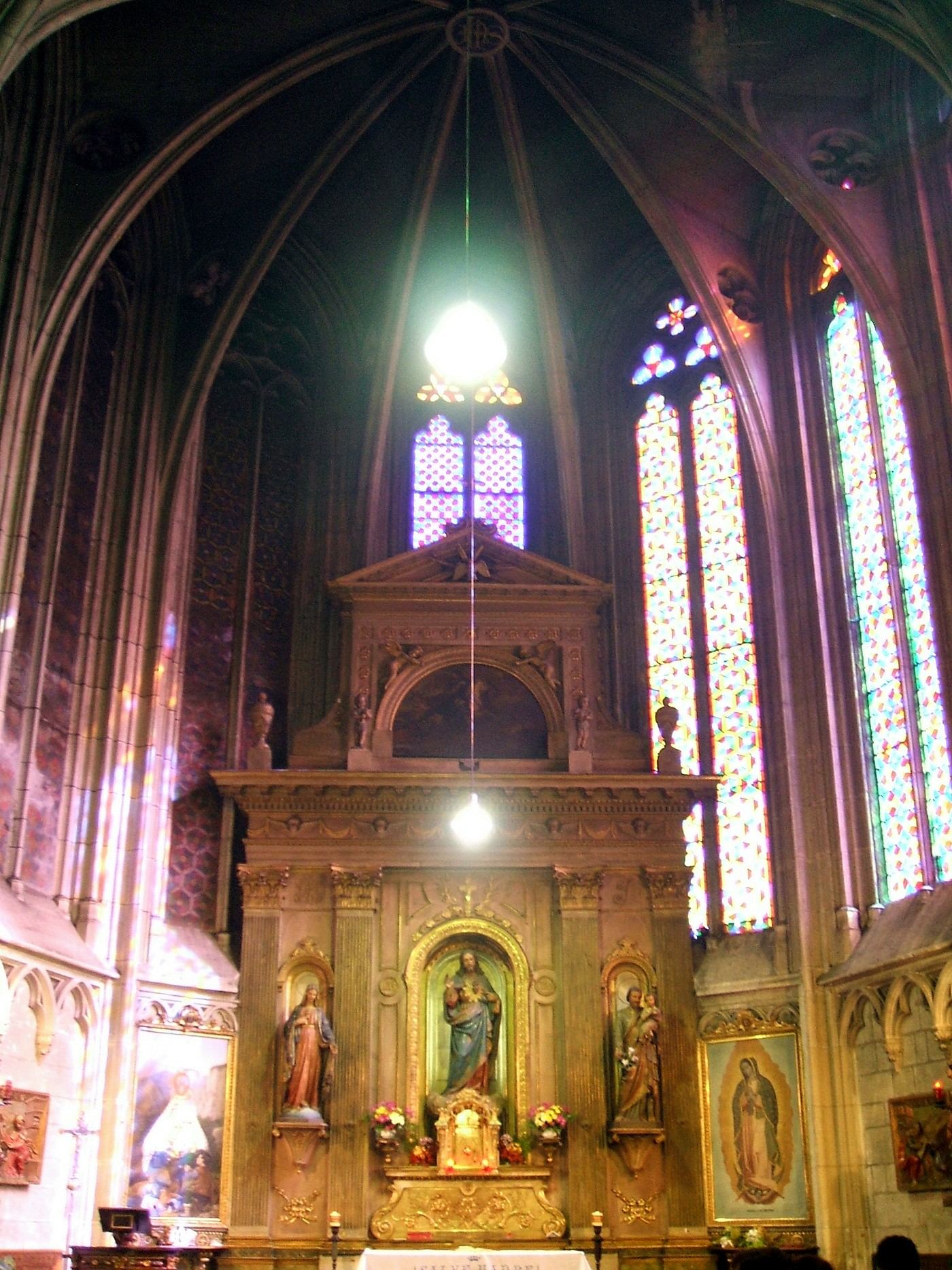
The convent's true patron is the Immaculate Conception, but its church holds a chapel on the Gospel side with a statue of Saint Anthony of Padua holding the Christ Child. Devotion to this particular image grew so strong among locals over the centuries that the popular nickname "San Antonio" eventually eclipsed the building's formal dedication in everyday speech — a shift so complete that most residents today know the site only by that name.
Who founded the convent, and when?
The initiative came from Mariana Vélez Ladrón de Guevara, Countess of Triviana and widow of Carlos de Álava. Four years before the convent's formal founding in 1608, she had already set aside 1,150 ducats in her will to fund construction. The building work itself was carried out by stonemasons Juan Vélez de la Huerta and his son Pedro, who completed it in 1622. The result is a building in a classicist-Baroque style, characteristic of the transition from Renaissance to Baroque architecture in this part of Spain around the turn of the 17th century.
Which religious communities have lived there over the centuries?
The convent was originally built outside the city walls. Its first residents were Franciscan Recollect friars, who followed a stricter, more withdrawn observance of the rule. That changed in 1855, when the Vitoria city council transferred the building to the Poor Clare sisters. The Poor Clares have remained there ever since, and the church doubles as an active parish, open to both worshippers and visitors.
What is worth seeing inside the church?
The centerpiece for visitors is the chapel of Saint Anthony of Padua on the Gospel side, home to the sculpture of the saint cradling the Christ Child — the very image whose popularity redefined how locals refer to the entire complex. While the convent proper remains a cloistered space for the resident sisters, the church itself is open to anyone exploring Vitoria's old town, making it a natural stop alongside the city's other historic churches and religious houses.
Where exactly is the convent located?
The Convent of San Antonio sits on Plaza General Loma, a fully pedestrian square within the historic center of Vitoria-Gasteiz. Its location makes it easy to fold into a walking route through the old town, alongside the city's other landmarks of religious and architectural heritage.
Frequently Asked Questions
Is "San Antonio" the convent's official name? No. Its formal dedication is to the Immaculate Conception of Mary. The name "San Antonio" stuck because of the popular devotion to the Saint Anthony of Padua chapel inside the church.
Who lives in the convent today? Since 1855, the building has been home to a community of Poor Clare nuns, after the Vitoria city council transferred it to them.
Can visitors enter the church? Yes. The church functions as an active parish and is open to visitors, unlike the cloistered convent quarters reserved for the sisters.
When was the convent built? Construction was set in motion in 1608 through a bequest from the Countess of Triviana, and the building itself was finished in 1622.
Nearby places
-

Cathedral of María Inmaculada of Vitoria
Vitoria-Gasteiz
-
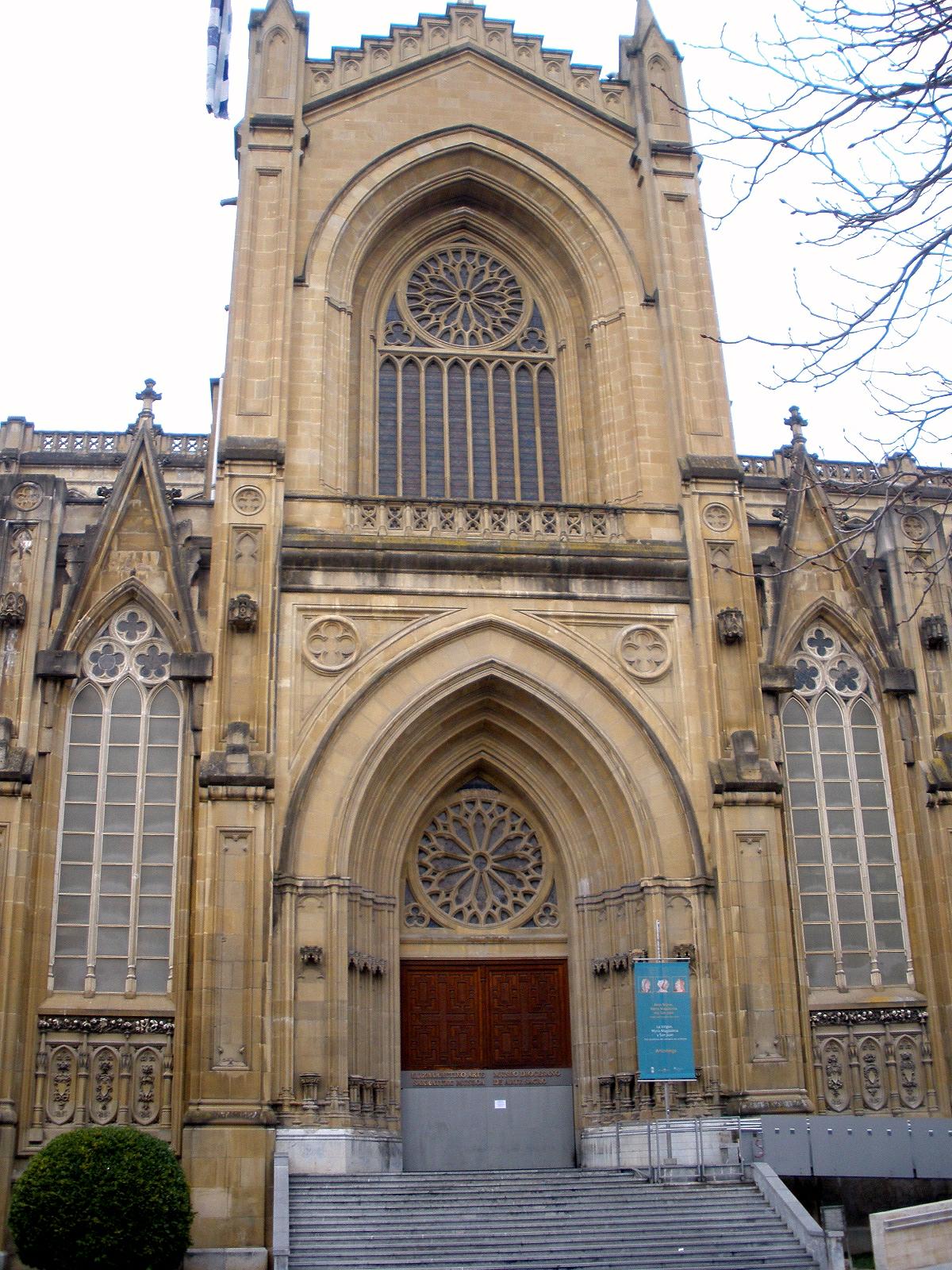
Museo Diocesano de Arte Sacro de Álava
Vitoria-Gasteiz
-
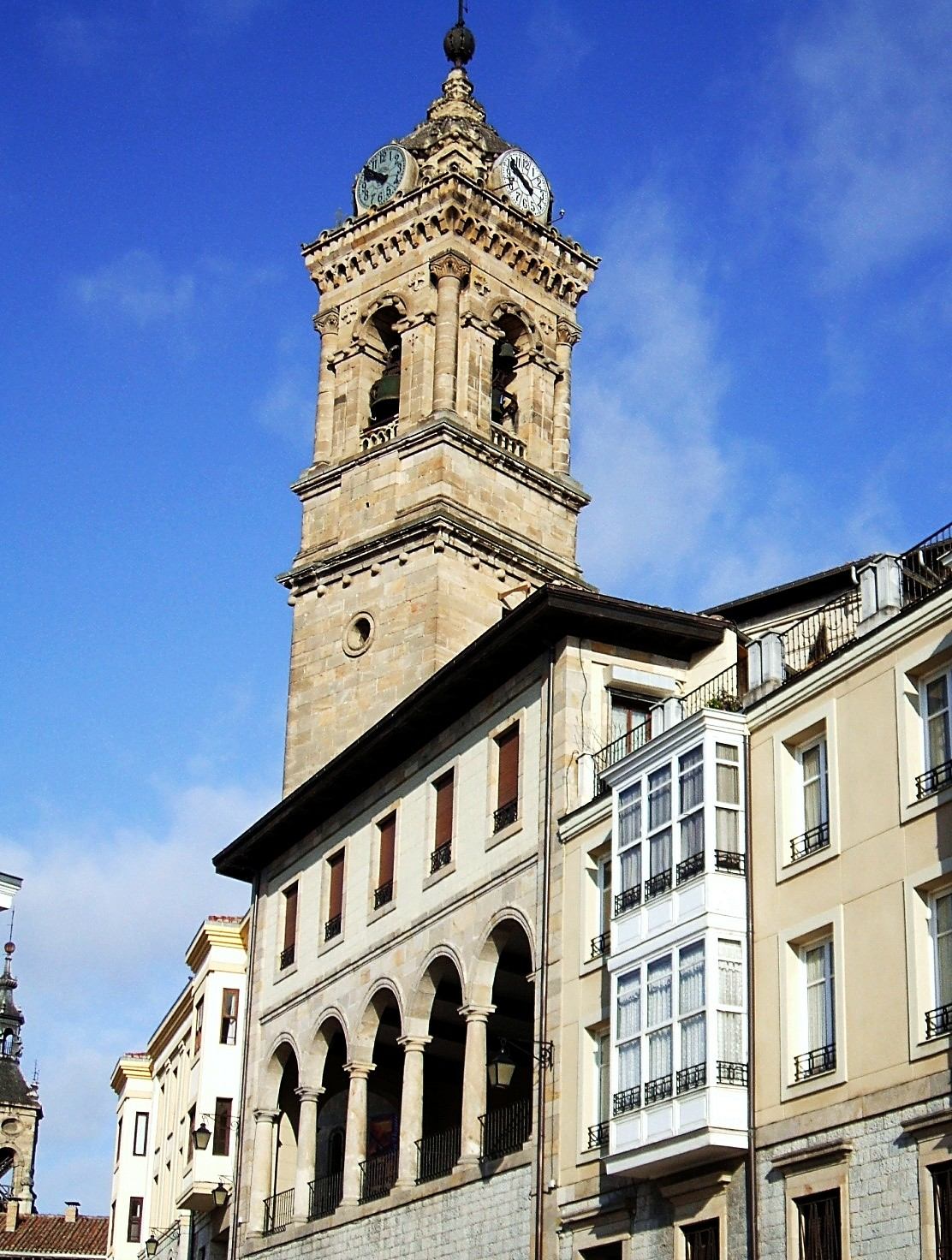
Church of San Vicente Mártir
Vitoria-Gasteiz
-
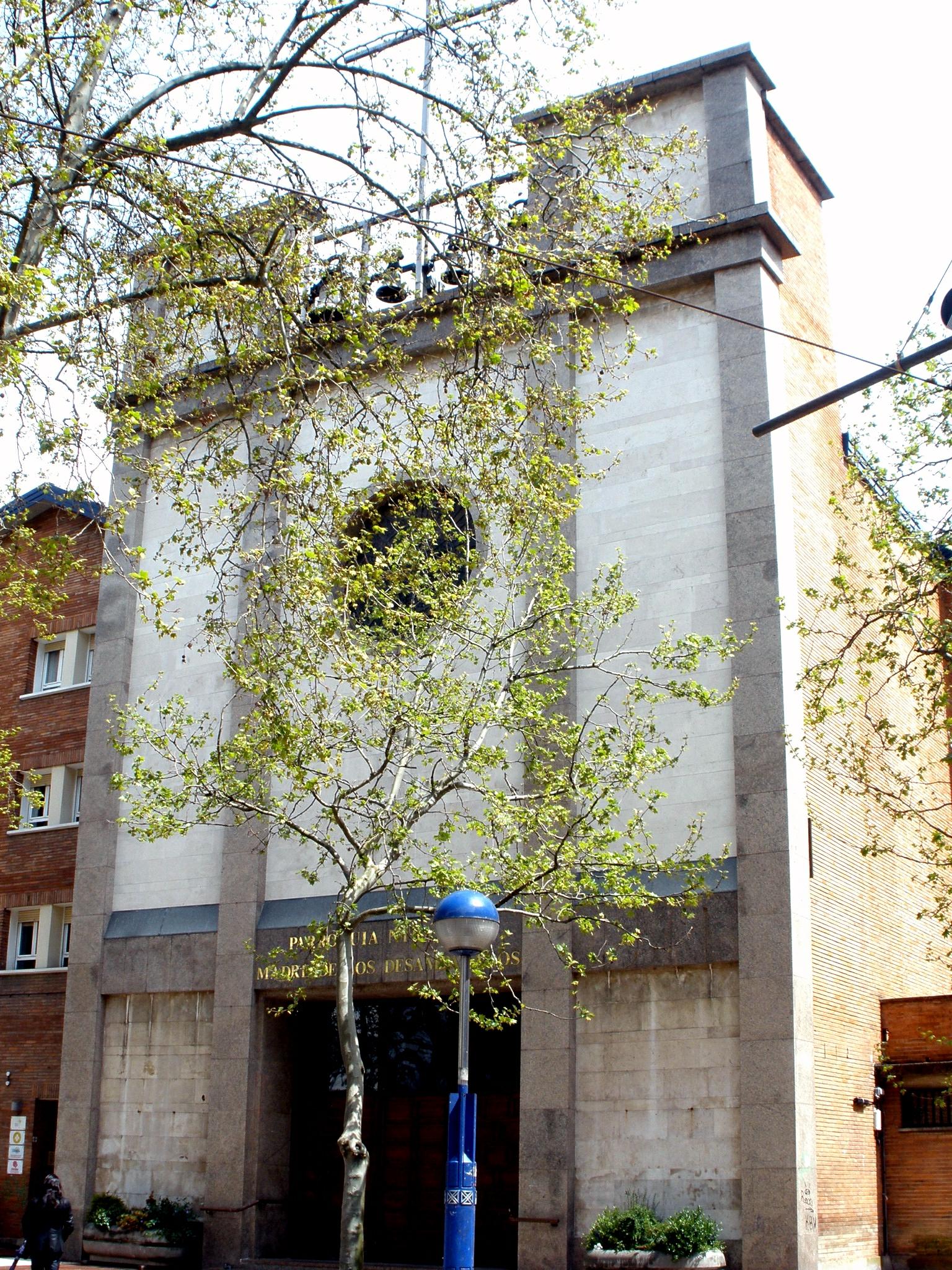
Church of Nuestra Señora de los Desamparados, Vitoria
Vitoria-Gasteiz
-
Church of Santa María, Vitoria
Vitoria-Gasteiz
-
Cathedral of Santa María de Vitoria
Vitoria-Gasteiz
Earn badges for the places you visit
Download NextOnTrip, discover new places and check off your trails.