About this place
Castro de Samoedo, also known as Agra das Arcas, is the site of an old Celtic hillfort in Samoedo, part of the parish of Osedo in the municipality of Sada, A Coruña province, Galicia. It ranks among the largest of the nine recorded castros within Sada, alongside Castro de Meirás and Castro de San Mamede.
Where is Castro de Samoedo located?
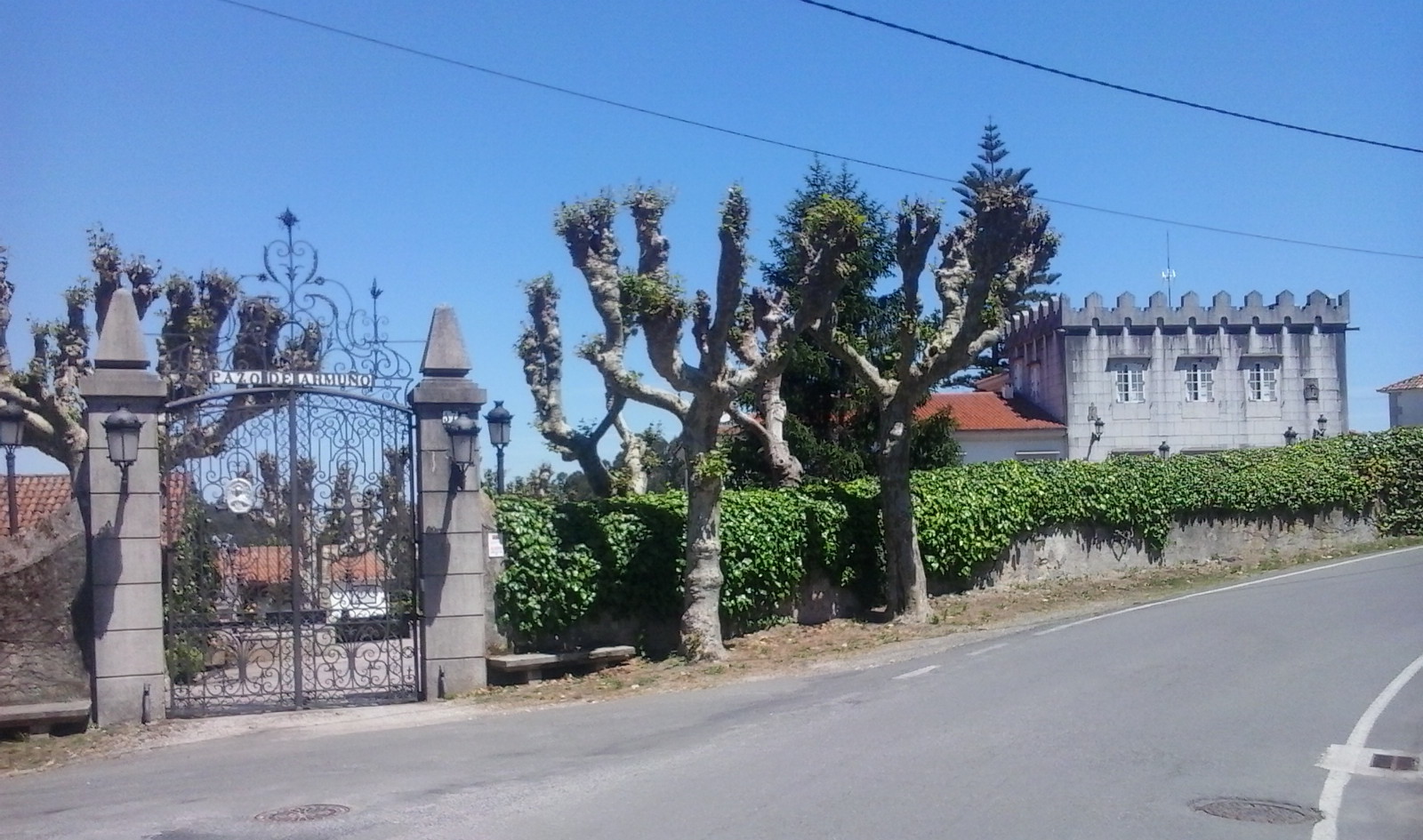
The hillfort sits right beside the former ceramics factory founded by Isaac Díaz Pardo, one of the most influential figures in twentieth-century Galician culture, and next to a traditional Galician manor house that took its name from the site: Pazo de Castro de Samoedo. Both structures were built within the perimeter of the ancient fortification, reshaping much of its original layout.
Who lived here, and when?
Settlement at Castro de Samoedo goes back to the 1st century BC and is linked to the Artabri, the people who inhabited this stretch of the A Coruña coast during the Castro culture. Like the other hillforts of the Sada area, it remained in use across a long span running from the 1st century BC into the 3rd century AD, spanning the pre-Roman period and the early Roman presence in the region.
What did the fortification look like?
Castro de Samoedo stands out for a ground plan closer to circular than elliptical, unlike many smaller hillforts nearby, and for several defensive lines that once encircled the settlement. The later construction of the pazo and the ceramics factory inside the old perimeter altered much of the original layout, making the full outline harder to trace on the ground today.
Where does the name Agra das Arcas come from?
Agra das Arcas translates roughly as "field of chests," a name tied to local folklore about treasure supposedly buried at the site. The name Samoedo itself follows a naming pattern typical of Galician-Asturian toponymy, common across this part of northwestern Spain.
Has the site been studied by archaeologists?
The earliest scholarly reference to Castro de Samoedo dates to around 1910, in Ángel del Castillo's book "Los castros gallegos," which discusses the site alongside another hillfort, Vixía de Subiña. A sketch of the castro's layout was drawn up in 1973 from aerial cadastral photography. The site is listed in the regional heritage catalogue, and related material may also be held at the Museum of Betanzos.
Can visitors see Castro de Samoedo today?
The land is privately owned, and archaeological study of the site remains incomplete. Visitors to Sada can view the surrounding area, including the neighbouring pazo, from outside, though open access to the interior of the old fortification tends to be limited.
Frequently Asked Questions
What is Castro de Samoedo? A Celtic hillfort in Samoedo, in the municipality of Sada, A Coruña province, also known as Agra das Arcas.
Who lived at the site? The Artabri people, from the 1st century BC onward, as part of the wider Castro culture along the Galician coast.
How many castros are there in Sada? Nine recorded hillforts, with Castro de Samoedo standing out for its size alongside Castro de Meirás and Castro de San Mamede.
Why is it also called Agra das Arcas? Because of a local legend about chests of treasure said to be hidden there.
Is the hillfort open to visitors? The land is private and only partly studied, so access to the site itself is limited.
Nearby places

Earn badges for the places you visit
Download NextOnTrip, discover new places and check off your trails.