About this place
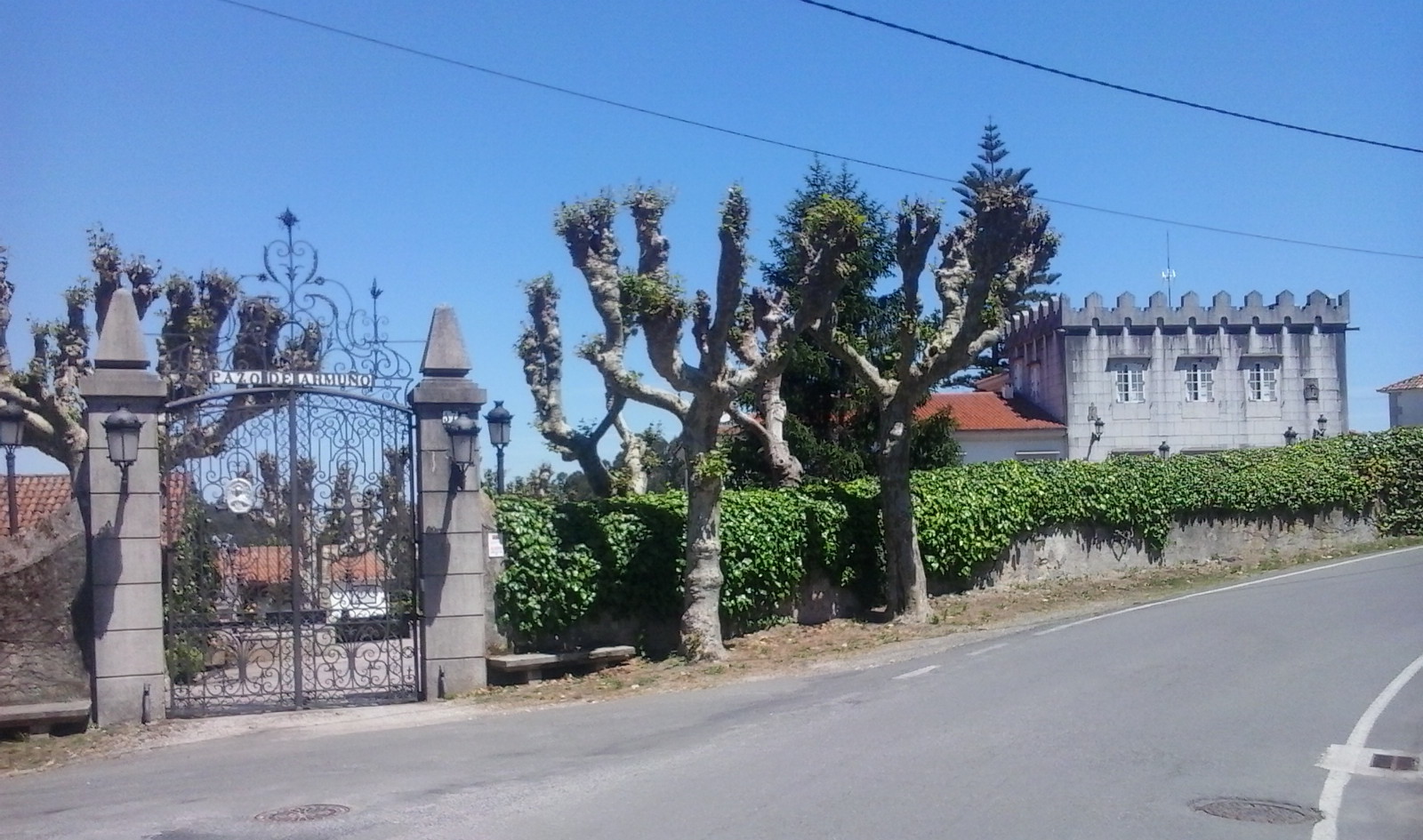
Pazo de Armuño is a noble manor house in Bergondo, in the province of A Coruña, at the heart of Galicia's Rías Altas. A "pazo" is the Galician term for a country manor house, roughly equivalent to a Spanish "palacio," and while dozens of such estates survive across the A Coruña area, few pair such a well-preserved defensive tower with as rich a family history as Armuño.
Where is Pazo de Armuño located?
The manor sits in the parish of Lubre, part of the municipality of Bergondo, roughly 15 kilometers from the city of A Coruña. Like most Galician pazos, it lies away from the main tourist trail, surrounded by the rural landscape of the Rías Altas — close enough to A Coruña, though, to fit easily into a day trip around the area.
What is the history behind it?
The building's current form dates from the 18th century, though it underwent later renovations. The oldest and most distinctive feature is the tower, of medieval origin and originally built for defense — now restored, it forms the visual centerpiece of the estate. The façade bears the coats of arms of three noble families tied to the property's history: Bermúdez, Figueroa, and Boado, reflecting the successive changes of ownership and marriage alliances typical of Galician nobility.
The pazo is also the setting of a local legend known as "Peito Bordel," or the "tribute of the hundred maidens." According to the story, the daughters of Fernán Pérez de Acuña, then lord of Armuño, were nearly abducted by attackers — until the girls' brothers defeated the assailants armed with nothing more than fig-tree branches. The tale is still told today as part of Bergondo's local identity and remains a favorite among area guides.
What will you see on site?
The main building rises across three levels — ground floor, first floor, and second floor — built around the medieval tower and a two-story residential wing. Several outbuildings surround it, along with a carefully tended garden. The plot on which the pazo stands covers roughly 9,300 square meters and is enclosed by a stone wall, with an additional nearly 61,000 square meters of adjoining land.
Pazo de Armuño remains privately owned, so the interior is not open to the public. Free access is granted, however, to the gardens and exterior grounds. Today the estate serves three purposes: hosting institutional events, functioning as a training center, and housing a small museum dedicated to the pazo's own history.
When is the best time to visit?
Spring and summer are the best seasons to visit, when the gardens are at their most vivid and the Rías Altas weather is well suited to exploring the surrounding countryside. Because the estate is privately managed, it's worth checking current access hours for the grounds beforehand, as they can vary depending on events being hosted there.
Frequently asked questions
Can you visit the inside of Pazo de Armuño? No — the building is privately owned, and public access is limited to the gardens and exterior grounds, which can be visited free of charge.
Where does the tower at Pazo de Armuño come from? The tower is of medieval origin and was originally built for defense; it is the oldest part of the estate and has since been restored.
What is the "Peito Bordel" legend tied to this pazo? It's a local tale about an attempted abduction of the daughters of Fernán Pérez de Acuña, lord of Armuño, thwarted by their brothers armed only with fig-tree branches.
How far is Pazo de Armuño from A Coruña? The manor lies in the parish of Lubre, in the municipality of Bergondo, about 15 kilometers from the city of A Coruña.
Nearby places

Earn badges for the places you visit
Download NextOnTrip, discover new places and check off your trails.