About this place
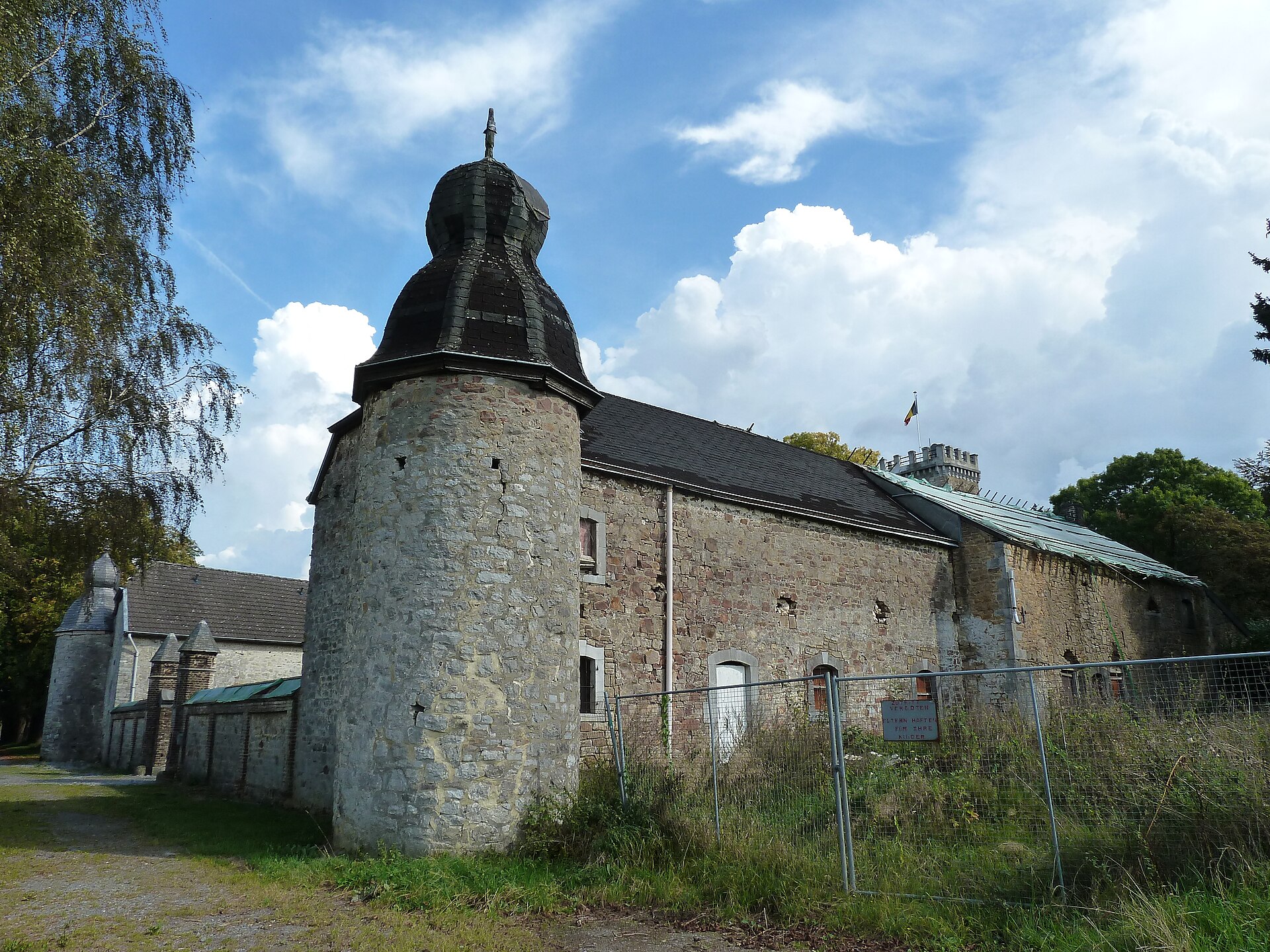
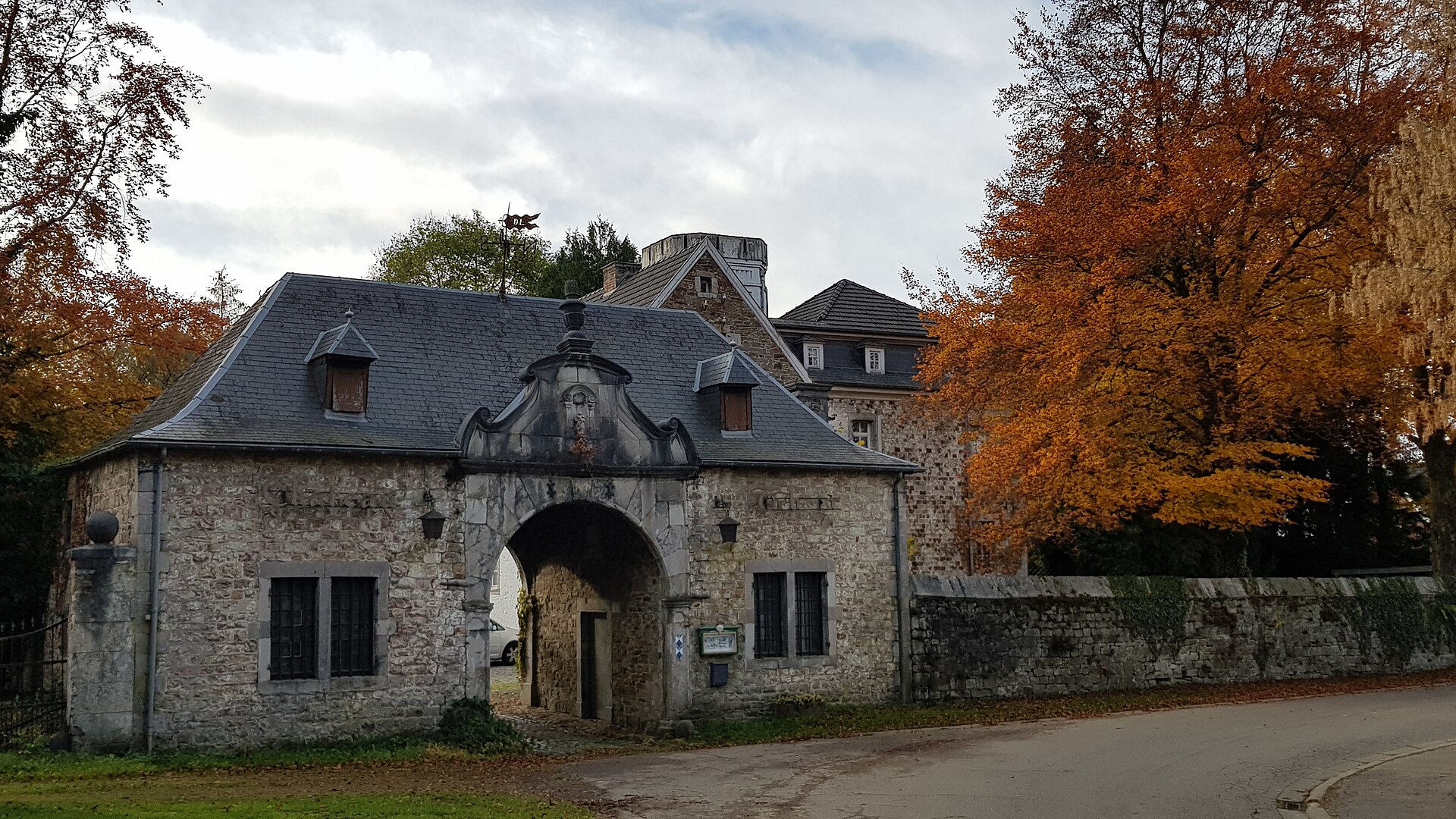
Château Libermé is a moated castle in Kettenis, a district of Eupen in eastern Belgium, surrounded by water on all sides. It stands in a low-lying, marshy area just under a kilometre from the centre of Kettenis, and its rectangular structure with round towers and a slate roof has marked this corner of the Ostbelgien region for centuries.
Where does the name come from?
The earliest written mention of the castle dates back to 1334, when it existed as a fief belonging to the chapter of the Church of Our Lady in Aachen. During the 14th and 15th centuries the estate passed into the hands of the von Libermé family, from whom the castle takes its name. It was this family that shaped the character still recognisable today in the building's layout and its ring of moats.
How did the castle survive fires and wars?
Château Libermé did not escape the turbulent history of this borderland between Germany, Belgium and France. In 1684 the building was burned down by French troops, an episode tied to the wider armed conflicts sweeping Western Europe at the time. The castle was rebuilt, but damage continued in later periods: in the 18th century the construction of a small stone bridge required structural alterations to the estate, and the castle was again damaged by fire during that century. Despite these losses, successive owners restored its residential function each time, allowing it to survive into the present as a coherent architectural whole.
What does Château Libermé look like today?
The current structure is a rectangular building protected by moats on every side — a layout typical of the water castles of this region, where defensive needs were combined with the representative character of a noble residence. Distinctive round towers and a slate roof give the whole building a recognisable silhouette, visible from some distance across the flat, low-lying land surrounding Kettenis. The moats, once a defensive feature, now form part of the picturesque setting that makes Château Libermé one of the more charming residential estates in the Eupen area.
What happens at the castle now?
The fate of Château Libermé changed decisively in 1964, when it was converted into a restaurant — a use that has helped keep the building in good condition and open, at least in part, to visitors. Another turning point came in 1995/96, when, following a change of ownership, the castle underwent a thorough renovation that modernised the interiors while preserving the historic character of the façade and the moat layout.
Can you visit Château Libermé?
The castle is listed as a protected historical monument and remains privately owned, which means access to the interior and grounds is limited compared with museum-run sites. Even so, it remains an important landmark in the heritage of Eupen and the Ostbelgien region — the visible arrangement of moats, towers and slate roof is enough to appreciate the scale and character of this medieval estate from the outside.
Frequently asked questions
When was Château Libermé built? The first written record dates from 1334, when it was a fief of the chapter of the Church of Our Lady in Aachen.
Who owned the castle in the Middle Ages? During the 14th and 15th centuries the estate belonged to the von Libermé family, which gave the castle its name.
Was the castle ever destroyed? Yes — it burned down in 1684 after being set on fire by French troops, and it suffered further fire damage and structural changes in the 18th century during the construction of a stone bridge.
What is inside the castle today? A restaurant has operated there since 1964, and a 1995/96 renovation modernised the interiors while keeping the historic exterior character.
Can Château Libermé be visited? The castle is privately owned and legally protected as a monument, so interior access is limited — it is best appreciated from the outside.
Nearby places

Earn badges for the places you visit
Download NextOnTrip, discover new places and check off your trails.