About this place
Sibirana Castle stands above the town of Uncastillo, in the province of Zaragoza, in the Spanish region of Aragón. Perched on a rugged outcrop with near-vertical rock faces, it is the last visible trace of a deserted medieval settlement, alongside a small Romanesque chapel dedicated to Santa Quiteria.
What is the history behind the castle?
The earliest written records of Sibirana date back to 1063, though the stronghold itself is considerably older. Historians link it to the early medieval Castrum Silbanianus, a Muslim fortification held by the Banu Qasi lineage of Zaragoza and fought over by Muslim and Christian forces through the late 9th and early 10th centuries, until Sancho Garcés I of Pamplona brought it firmly under Christian control from 921 onward. In 1086, Sibirana and the settlement below it were included in the dowry of Felicia of Roucy when she married King Sancho Ramírez of Aragón.
What will you see on site?
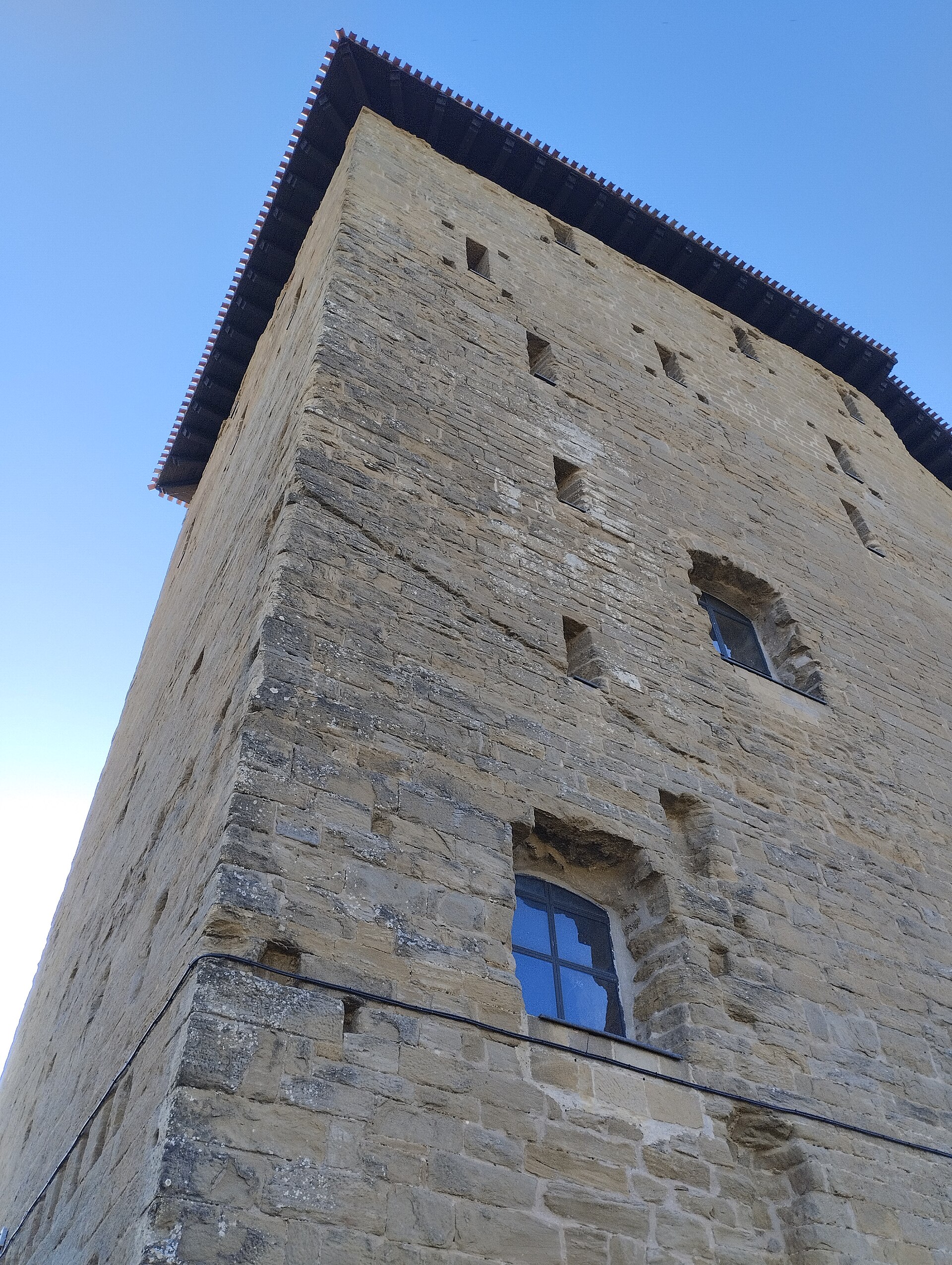
Two rectangular corner towers, each rising more than 10 metres, form the core of the castle — one measuring roughly 6 by 4 metres, the other 7.5 by 4 metres — joined by a wall built along the edge of the rock. The layout uses the natural cliff as a defensive line, with the towers commanding the approach on either side. Next to the ruins stands the small Romanesque chapel of Santa Quiteria, the only other structure to survive from the vanished settlement.
Why was the castle built here?
Sibirana guarded the route linking Uncastillo and Luesia with the Onsella river valley, a corridor that continued on toward Sos del Rey Católico and Sangüesa. Sitting on an all-but-inaccessible rock, it served as a natural checkpoint along this frontier route between Christian and Muslim territory.
How do you get there?
The ruins lie around 12 km from Uncastillo and 10 km from Luesia, in an isolated, sparsely populated stretch of countryside. Reaching the site means driving local access roads before finishing on foot over uneven ground — sturdy footwear and water are worth bringing, since there are no visitor facilities nearby.
When is the best time to visit?
Given the region's harsh climate and the lack of shade or shelter on the exposed rock, spring and autumn make for a more comfortable visit than the height of the Aragonese summer.
Frequently Asked Questions
What is Sibirana Castle? It is the ruin of a medieval castle formed by two towers joined by a wall, standing on a rock outcrop within a deserted settlement in the municipality of Uncastillo.
Where does the name Sibirana come from? It derives from an earlier Muslim fortification, Castrum Silbanianus, recorded before the site came under Christian control in the 10th century.
When was the settlement around the castle abandoned? No exact date is recorded, but abandonment took place between the 17th and 18th centuries, driven by the area's harsh climate and isolation.
Is there anything else to see nearby? Yes — the Romanesque chapel of Santa Quiteria stands next to the ruins, the only other building to survive from the original settlement.
Nearby places

Earn badges for the places you visit
Download NextOnTrip, discover new places and check off your trails.