About this place
Castelo de Gaia is an archaeological site on the hill of Vila Nova de Gaia, across the Douro from Porto. The castle as it once stood is gone, but the place remains one of the most important traces of early settlement at the river's mouth, and it helps explain how the story of both banks began.
What is Castelo de Gaia, and does the castle still stand?
No, it does not. The fortress once dominated the Gaia hill, and its walls were destroyed in the nineteenth century. Today the past is preserved mainly through archaeological findings rather than an imposing building you can tour like a typical castle. Wikidata describes the site simply as a building in Vila Nova de Gaia, Porto District.
How far back does the history of the site go?
The earliest occupation is believed to date to the Bronze Age, linked to a Celtic castro, a fortified hilltop settlement. Researchers describe it as the northern frontier of an old pre-Roman people known as the Turduli Veteres. When Rome took over the Iberian Peninsula, a settlement grew at this Douro crossing, known as Cale or Gale, the name from which the region's later name is derived.
In Late Antiquity, between the fifth and seventh centuries under Suebi and Visigothic rule, Portucale Castrum antiquum (Gaia) and Portucale Castrum novum (Porto) were among the largest population centres in the region. Paleochristian remains found at the castle show that Christianity had taken firm root here. Tradition also ties the hill to the legendary King Ramiro and his struggles against the Moors.
What happened in the Middle Ages and how did the fortress fall?
In 1366, repair or reinforcement work was carried out at the castle, with resources supplied by the abbot of the Pedroso Monastery. In 1385, the citizens of Porto attacked the castle and damaged it badly. The rivalry between the two banks clearly has deep roots.
The final blow came during the Portuguese Civil War of 1828 to 1834. Forces loyal to Miguel I fortified the castle and set up a battery, firing on a palace where Dom Pedro had established his headquarters. In retaliation, Pedro's troops shelled the Gaia stronghold and destroyed it.
What have archaeologists found?
Excavations carried out since 1983 have revealed significant evidence of the size, monumentality and economic importance of the ancient settlement, which was the seat of one of the medieval municipalities that together form today's Vila Nova de Gaia. In a 2020 study, António Manuel Silva calls Castelo de Gaia an exceptional site for understanding early human settlement in the lower Douro basin.
Who looks after the surroundings, and how should you plan a visit?
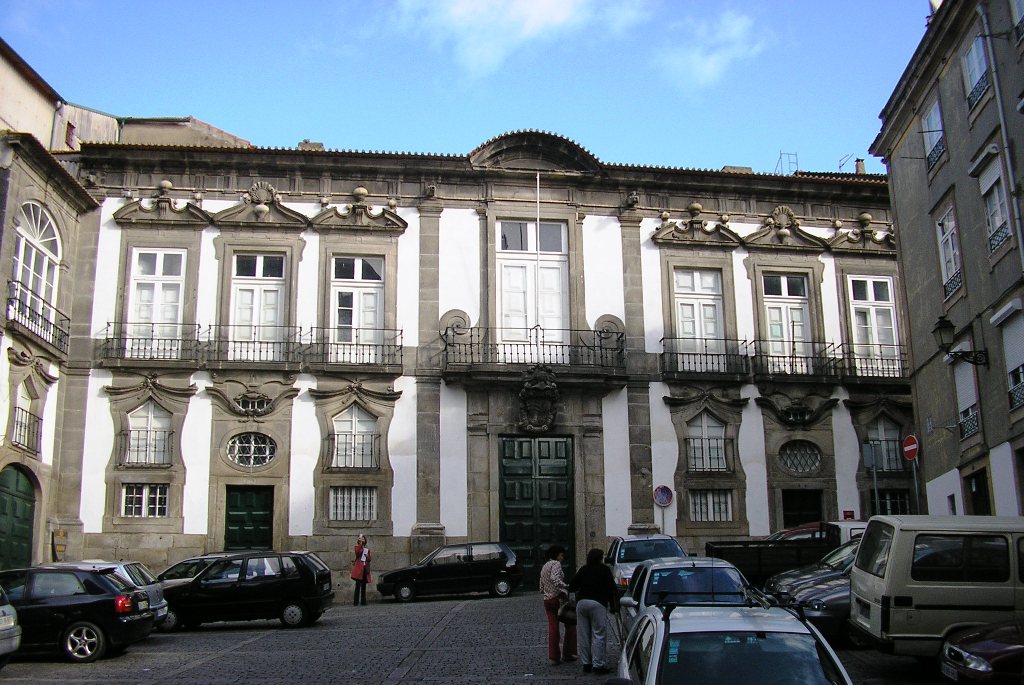
At the top of the hill stand properties and a care facility, Lar Pereira de Lima, owned by the Santa Casa da Misericórdia do Porto. The institution is often named as a body that could work with others to uncover, promote and place this heritage on the tourism and cultural agenda.
If you are in Gaia, treat this stop as one for history enthusiasts rather than a classic attraction with walls and towers. It pairs well with a walk around the hill and views of the Douro and Porto. Check current access to the area before you go, since the site is not set up like a large museum.
Frequently asked questions
Can you go inside Castelo de Gaia? The castle no longer exists in its original form, so there are no interiors to tour. Check locally for current access to the grounds.
How old is the site? The first settlement is linked to the Bronze Age, so it is thousands of years old. The Roman settlement of Cale developed in later centuries.
Who destroyed the castle? During the civil war of 1828 to 1834, Dom Pedro's forces destroyed it in response to fire from the troops of Miguel I.
Where is it? In Vila Nova de Gaia, Porto District, on a hill above the Douro, opposite the city of Porto.
Nearby places


Earn badges for the places you visit
Download NextOnTrip, discover new places and check off your trails.