About this place
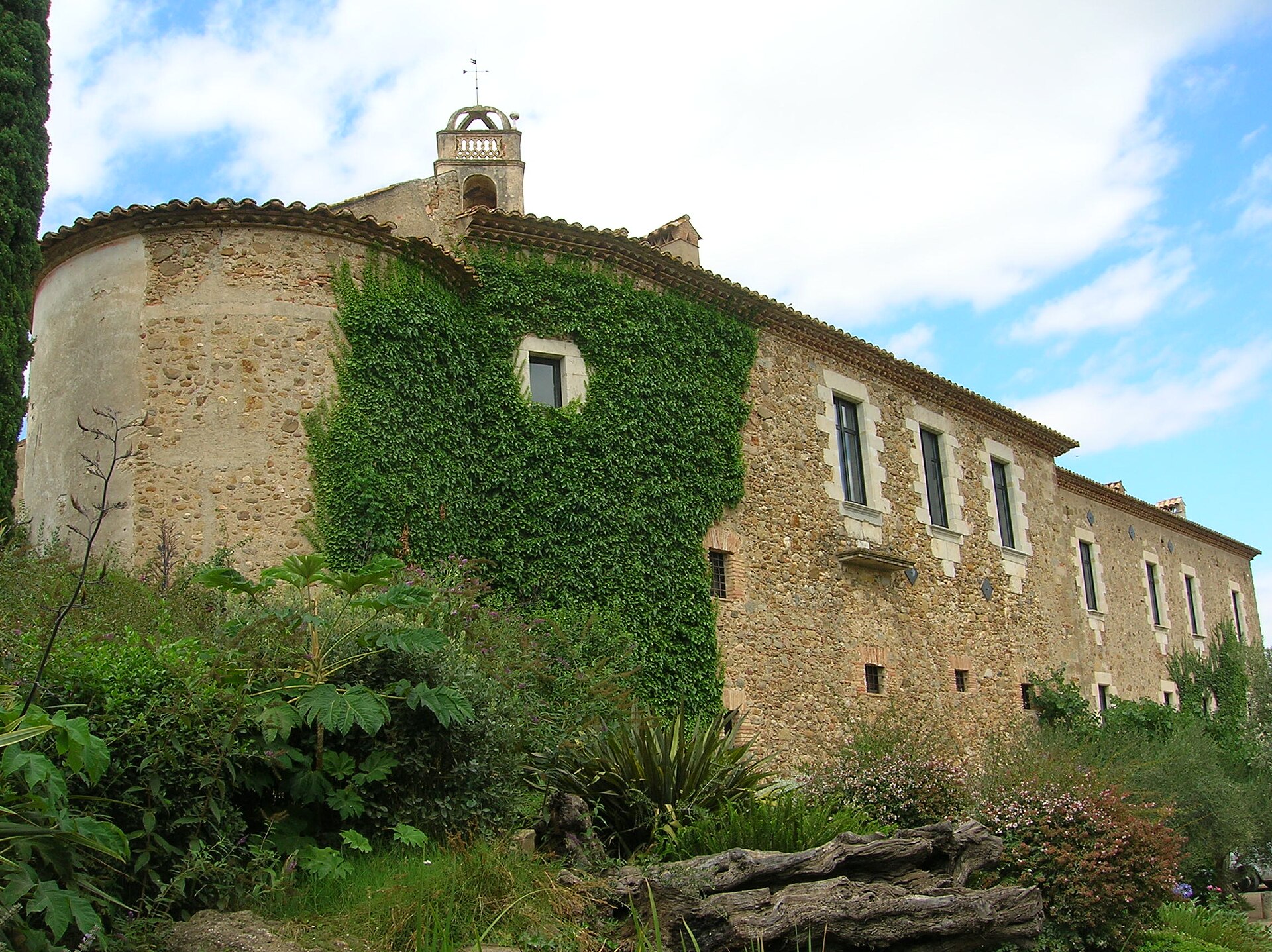
Castell de Vulpellac is a medieval castle standing at the heart of the village of Vulpellac, part of the municipality of Forallac in the Baix Empordà region of Girona, Catalonia.
Where does this castle come from?
The story begins in 1269, when the Bishop of Girona reached an agreement with the lord of Vulpellac to raise a fortification overlooking the local church. By 1287 the castle belonged to Guillem de Palaciolo, a vassal of the Cruïlles lords of nearby Peratallada — a sign of how tightly Vulpellac was woven into the feudal network of castles across Empordà.
Lordship later passed to the Sant Sadurní family. The turning point came in 1352, when Sicília de Sant Sadurní married Guillem Sarriera, tying the castle's fate to the Sarriera lineage for centuries. In 1358, Guillem de Sarriera bought the jurisdiction over Vulpellac directly from the Count of Empúries, Ramon Berenguer, cementing the family's control over the settlement.
It was the Sarrieras who, in the 16th century, converted the once-defensive castle into a Renaissance residence. That transformation is still visible today on the main façade: a carved stone portal bearing the family's heraldic shield, dated 1533, remains the building's most recognizable feature. Further renovations followed around 1725, after which the building took on an agricultural role, serving for a time as a masia (a traditional Catalan farmhouse).
What is there to see?
The castle keeps its Gothic 13th–14th-century structure, visible in the outer defensive wall and the crenellations crowning the building. That older core contrasts with the Renaissance detail of the 1533 façade, making Vulpellac a good example of how Gothic and Renaissance civil architecture overlap in Catalonia.
The castle doesn't stand alone — it's part of Vulpellac's walled historic core, a compact medieval quarter of narrow stone streets. In October 2009, this whole ensemble — castle and old town together — was declared a Cultural Property of National Interest (BCIN), Catalonia's highest heritage protection category.
How do you get there?
Vulpellac sits in the Baix Empordà region, close to other well-known medieval towns of the area such as Peratallada. The easiest way in is by car, either from Girona or from the Costa Brava coast — the area lends itself well to a day trip linking several of Empordà's fortified villages.
When is the best time to visit?
Spring and early autumn are ideal: the mild Mediterranean climate makes walking the narrow lanes of the old town comfortable, without the summer heat and crowds that build up along the Costa Brava in high season.
Frequently asked questions
Can you visit the inside of Castell de Vulpellac? The building remains privately owned and serves a residential purpose, so interior access is limited — it's best appreciated from outside while strolling through the surrounding old town.
What is the oldest part of the castle? The Gothic core, with its defensive wall and crenellations, dates from the 13th–14th centuries and is the oldest surviving section, predating the Renaissance remodeling.
Why does the façade carry the date 1533? That's the year the Sarriera family added the castle's grand Renaissance portal and heraldic shield, marking the conversion of the old fortress into a lordly residence.
Does Vulpellac have heritage protection? Yes — the village's historic core, together with the castle, was declared a Cultural Property of National Interest (BCIN) in 2009.
Nearby places

Earn badges for the places you visit
Download NextOnTrip, discover new places and check off your trails.