About this place
Casa de l'Ensenyança is a historic building in Xàtiva that now houses the city's Fine Arts Museum, home to one of the region's most notable painting collections.
What is this building?
The house was raised in 1758 on the order of Archbishop Andrés Mayoral, who wanted to give children from poor families in Xàtiva access to free schooling. The design came from Fray José Alberto Pina, a Carmelite friar who also served as the town's official architect. Classes began in 1762 and continued without interruption until the late 20th century — for more than two hundred years the building served generation after generation of pupils before undergoing a major restoration and reopening as a museum in 2015.
What does the building look like?
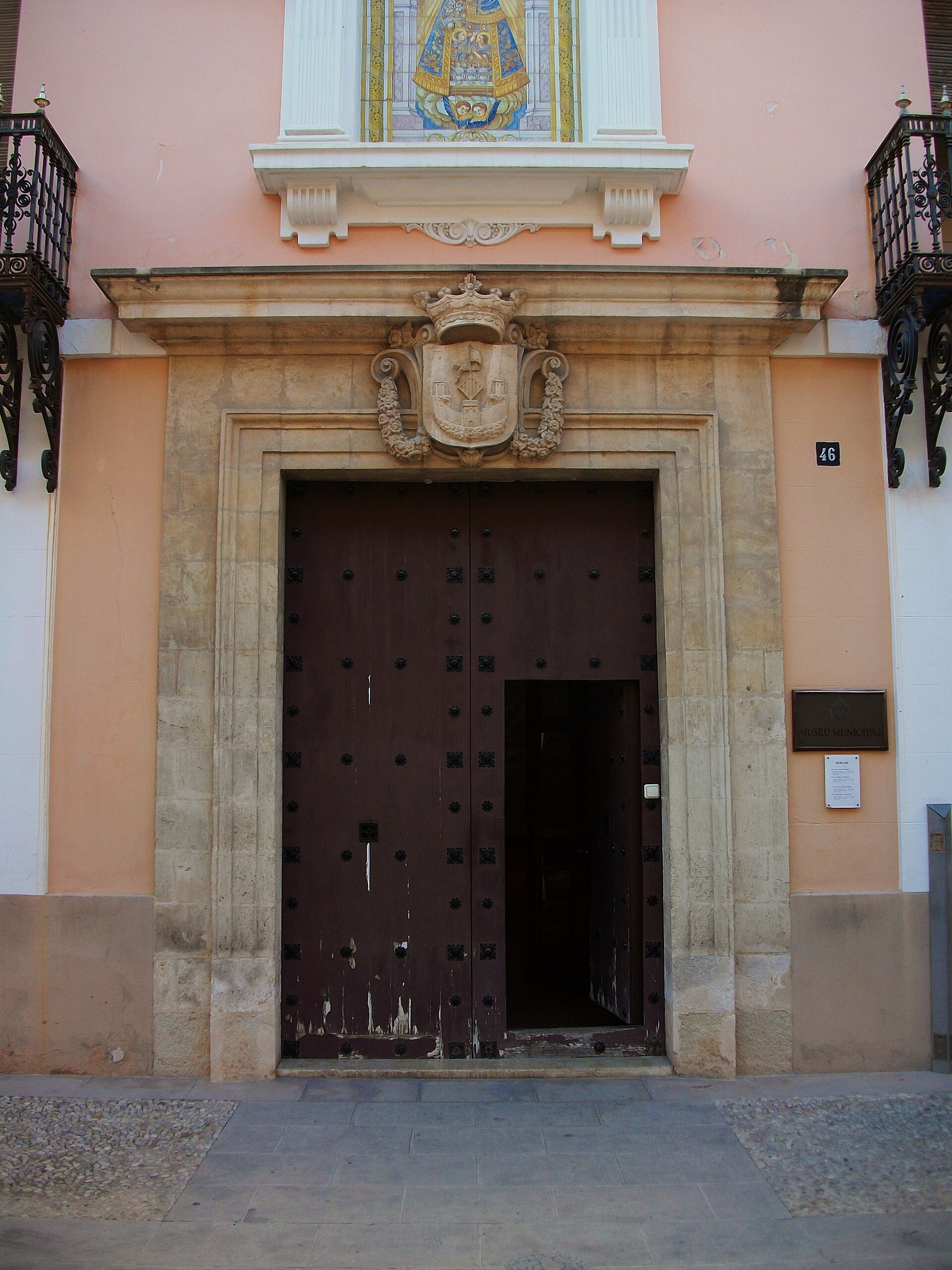
Casa de l'Ensenyança follows a Classicist style, built on an unusual trapezoidal floor plan. It has three facades trimmed with wrought-iron balconies, and above the main Baroque doorway sits the coat of arms of its founder, Archbishop Mayoral. Inside, look for the arcaded patio and the grand staircase, finished with decorative ceramic tiles, that leads up to the exhibition floors.
What will you see inside?
The collection spans works from the Gothic period through to contemporary art and ranks among the more significant public painting collections in the Valencia region. It includes pieces by Josep de Ribera, the Baroque master born in Xàtiva, some of them on loan from the Prado in Madrid. A full set of Francisco Goya's engravings from the "Caprichos" and "Disparates" series occupies its own space, alongside paintings by Vicente López, including his "Last Supper" and a portrait of King Fernando VII. Stonework on display includes the so-called Traveller's Cross and remains from the former Borja chapel.
The single most talked-about piece, though, is the portrait of King Philip V — hung upside down. It's a deliberate, symbolic gesture by the people of Xàtiva, kept alive to this day as a reminder that the king ordered the city burned in 1707 during the War of the Spanish Succession.
How do you get there, and when should you visit?
The museum sits at Plaza Arzobispo Mayoral 2, right in the historic centre of Xàtiva, within easy walking distance of the cathedral and the old town's main landmarks. Opening hours shift with the season — during summer (June to September) the museum opens Tuesday to Sunday and public holidays, from 10:00 to 14:30. It's worth checking the city's official schedule before visiting, since hours outside summer can differ. Tickets are sold online through the museum's own booking system.
Most visitors need somewhere between an hour and ninety minutes to see everything at a comfortable pace. Pairing the visit with Xàtiva Castle or the town's other museums makes for an easy, well-rounded half-day.
Frequently asked questions
Is Casa de l'Ensenyança still a school? No. The building operated as a school for children from poor families from 1762 until the late 20th century. Since its 2015 restoration, it has functioned as the city's Fine Arts Museum.
What's the museum's biggest draw? The upside-down portrait of King Philip V, a lasting symbol of the 1707 burning of Xàtiva, along with the complete set of Goya's engravings.
How much are tickets and where do you buy them? Tickets are available online through the museum's booking platform — buying ahead is a good idea, especially during the busy summer months.
Is it worth combining with other sights in Xàtiva? Yes. The museum sits right in the historic centre, close to the cathedral and the castle, so it fits easily into a longer walk around the old town.
Nearby places

Earn badges for the places you visit
Download NextOnTrip, discover new places and check off your trails.