About this place
Museo Nino Bravo is a small but deeply personal museum in Aielo de Malferit, a town in Spain's Valencia province and the birthplace of Nino Bravo, one of the most recognizable voices in Spanish popular music of the 1960s and 1970s. The museum was created by local residents together with the singer's family, who wanted to preserve the memory of his career and everyday life away from the stage.
What will you see inside?
The collection holds more than 500 items connected to the singer. Visitors can see the microphone and stage outfits he wore during performances, the first sound equipment he used early in his career, along with school records and childhood photographs. A separate section is dedicated to press clippings and footage from national and international television appearances, illustrating how quickly his popularity spread beyond Spain's borders.
The exhibition follows a roughly chronological path — from his first performances in his hometown, through his rise on the national music scene, to international recognition. Audio-visual material, photographs and written documents combine to trace both the artistic and private sides of his biography.
How do you get there?
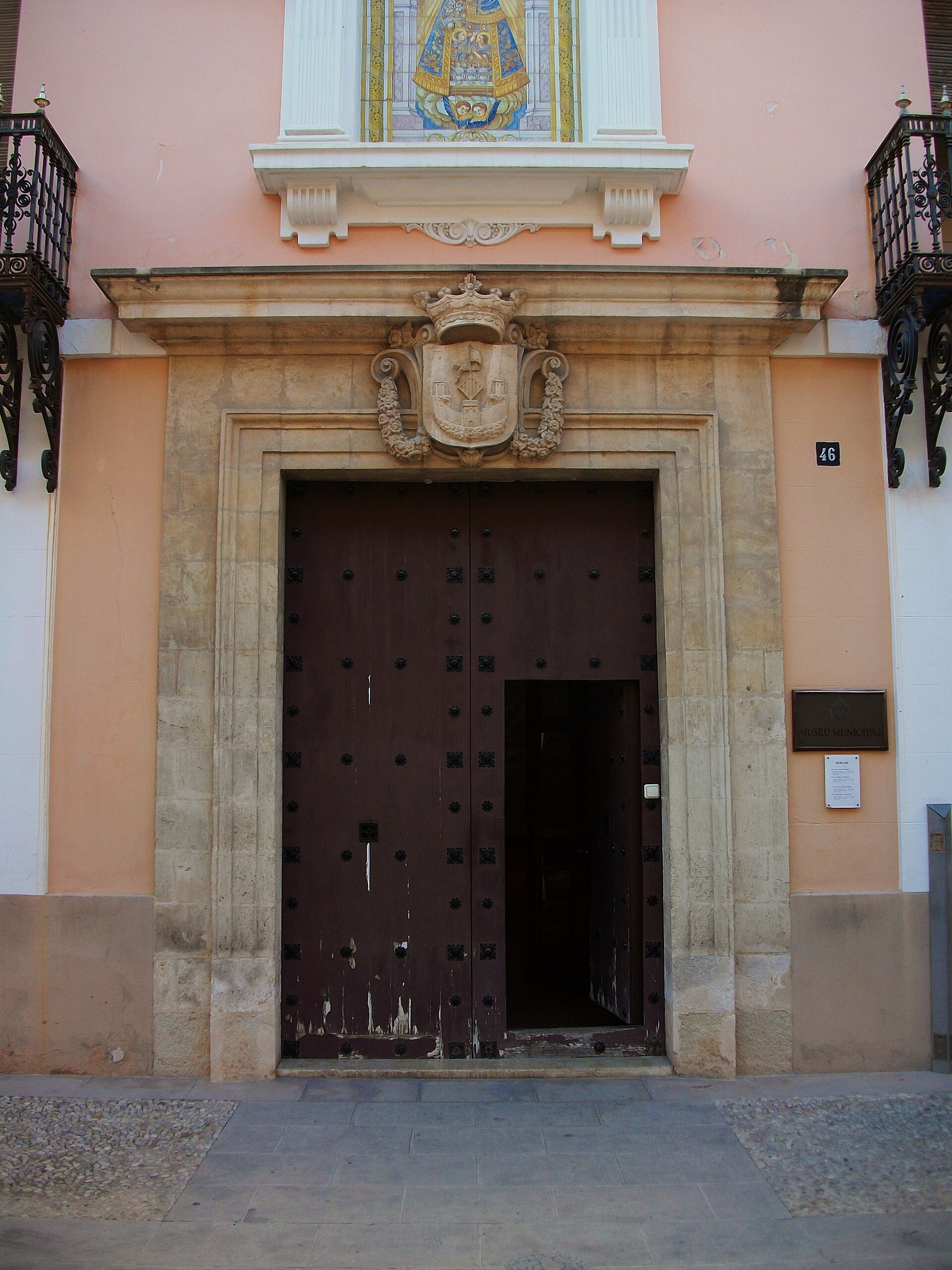
Museo Nino Bravo sits on Passeig de L'Eixample, right in the centre of Aielo de Malferit, in the province of Valencia. The town lies inland, an easy drive from Valencia city or Xàtiva, making it a natural stop for anyone exploring the interior of the province alongside other nearby attractions.
When is a good time to visit?
The museum keeps limited opening hours typical of small local institutions — Saturday afternoons and Sunday mornings. It's worth planning the trip in advance and checking the current schedule, since the exhibition is generally closed to individual visitors on weekdays.
Why does Nino Bravo matter so much to this town?
Nino Bravo — born Luis Manuel Ferri Llopis — became famous for songs that remain part of the core repertoire of Spanish popular music to this day. His deep, distinctive voice and emotional delivery made him one of the most admired figures of Iberian music in his era. His career was cut short by a fatal car accident in 1973, right at its peak, which only reinforced his lasting legend. For the people of Aielo de Malferit he remains a local hero, and the museum has become a pilgrimage site for fans travelling from across Spain and beyond.
Frequently asked questions
Is admission to the museum paid? Ticket prices and any discounts are best confirmed directly with the museum or the local tourist information office shortly before your visit, since contact details are listed on the institution's own website.
How long does a visit take? Given the museum's compact size, a visit usually takes between 30 and 45 minutes, though dedicated fans of Nino Bravo's music often stay longer to go through the audio-visual collection in detail.
Are there guides or materials in other languages? In museums of this size, labelling tends to be mainly in Spanish or Valencian — it's worth asking on-site whether materials in other languages are available.
Are there other attractions in Aielo de Malferit related to the singer? Around the town you can find commemorative plaques and other spots connected to the singer's life, which fans often combine with a visit to the museum itself.
Nearby places

Earn badges for the places you visit
Download NextOnTrip, discover new places and check off your trails.