About this place
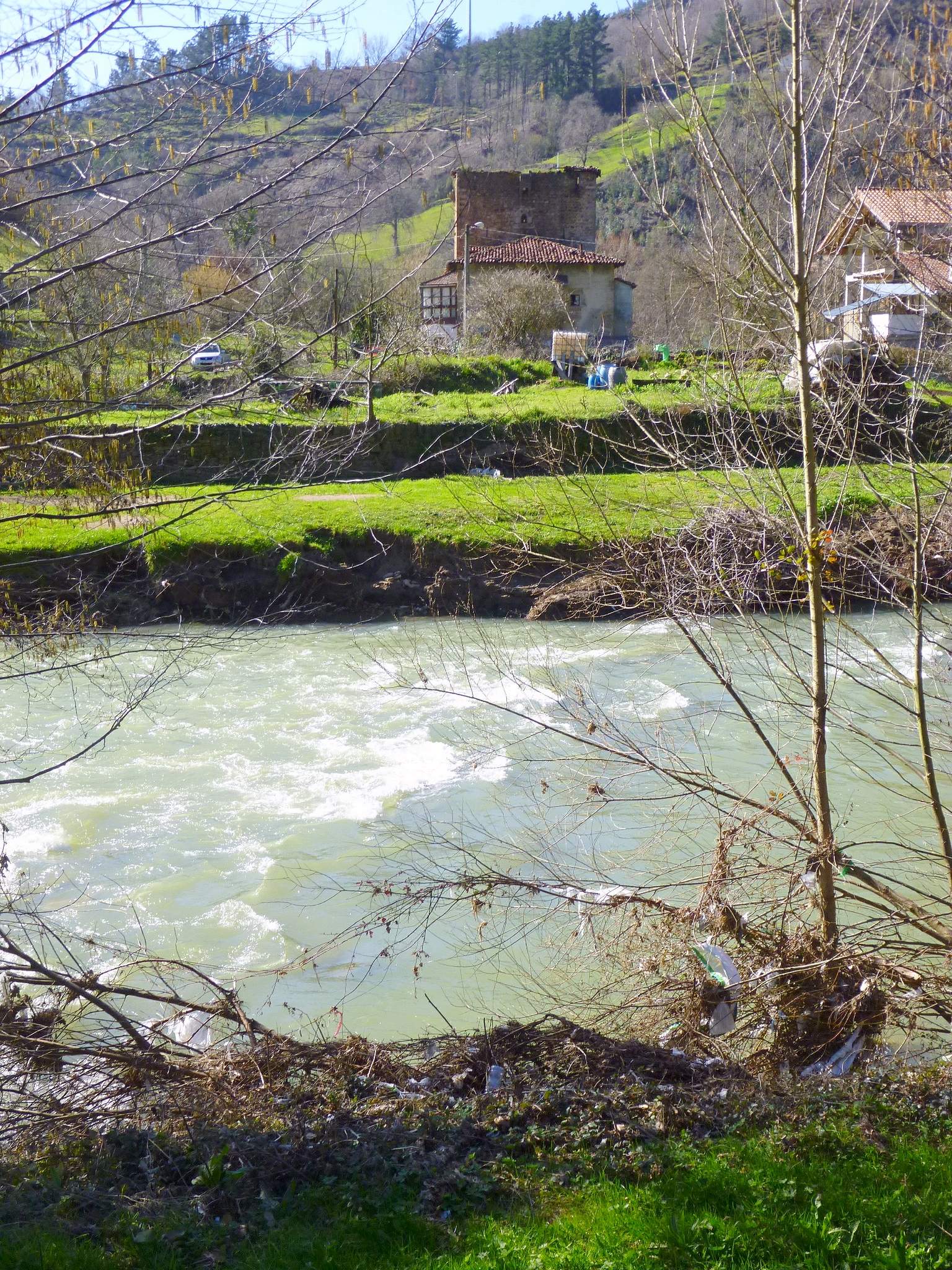
Bolunburu is a small but history-dense corner of the municipality of Zalla, in Biscay, in the Basque Country. On a rocky rise above the Kadagua River, twenty-five centuries of history sit side by side with a stone defensive tower and an old industrial complex — an unusual combination that surprises most visitors who make the trip out here.
Where is Bolunburu?
Bolunburu lies along the road connecting Zalla with neighbouring Balmaseda, in the Kadagua valley, in the Enkarterri (Encartaciones) area of inland Biscay. It sits within a riverside recreational area and is best reached by car from Bilbao. The area is well off the coastal tourist trail, which has helped it keep the quiet, rural character typical of inland Biscay.
What is the castro de Bolunburu?
The oldest trace of settlement here is the castro de Bolunburu, a fortified hillfort built by the Autrigones people during the second Iron Age, around the 4th century BC, at roughly 320 metres above sea level on the summit known as Peña Bolumburu. The site remained essentially unknown until 1998, when a forest ranger came across it after a wildfire exposed the outline of the old fortifications. Because it had lain buried under earth and vegetation for so long, it survived in near-intact condition. Today the hillfort is open to visitors free of charge, with information panels along the route that trace the layout of the settlement.
What is the Bolunburu tower, and why a "casa-torre"?
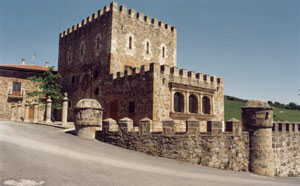
Many centuries later, during the medieval feuds known as the luchas de bandos that convulsed Biscay between the 14th and 15th centuries, a stone defensive tower — the casa-torre de Bolunburu — was raised on the same grounds. The first written record of the building dates to 1610, though surviving architectural details suggest parts of the structure may go back to the 16th century. The tower belongs to the torre-palacio type typical of Basque noble architecture: a rectangular floor plan in a Gothic-Renaissance style, rising through four levels — a basement, two residential floors, and an attic. Towers like this were built by powerful Biscayan lineages not just as homes, but as strongholds and statements of power during a period of chronic local conflict.
What is the Bolunburu monumental complex?
Around the tower stands a cluster of monuments tracing centuries of economic life in the valley. There are the ruins of an old ironworks (ferrería), documented as far back as 1450 — one of the best-preserved forges in Biscay, operating right up until the late 19th century. Next to it stand the remains of an old water mill that once harnessed the Kadagua's current, and the small hermitage of Santa Ana, built in 1610, the same year the tower first appears in the record. Together, forge, mill, hermitage and tower form a coherent picture of the valley's working and religious past.
Why visit Bolunburu?
Bolunburu packs three distinct eras into a small stretch of riverbank: prehistory, the medieval age of feuding lineages, and early modern industry. A walk along the Kadagua past the ruined forge and mill leads up to the hilltop remains of a settlement twenty-five centuries old. It's a good pick for travellers looking for a lesser-known, authentic corner of Biscay, away from the crowds.
Frequently Asked Questions
What is the castro de Bolunburu? It is a fortified hillfort built by the Autrigones people during the second Iron Age, around the 4th century BC, discovered by chance in 1998 after a forest fire, and located on the Peña Bolumburu hill at about 320 metres.
When was the Bolunburu tower built? The tower was raised during the medieval feuds (luchas de bandos) of the 14th and 15th centuries; the first document mentioning it dates to 1610, and some architectural elements may date to the 16th century.
What else is there to see at Bolunburu besides the tower? The complex includes the ruins of an old ironworks documented since 1450, the remains of a water mill, and the Santa Ana hermitage from 1610, all along the banks of the Kadagua River.
Is there an entrance fee? No — the castro de Bolunburu is a free-access archaeological site, with information panels placed along the visitor route.
Nearby places

Earn badges for the places you visit
Download NextOnTrip, discover new places and check off your trails.