About this place
Bédeilhac (French: Grotte de Bédeilhac) is one of the largest and most unusual caves in France, tucked into the commune of Bédeilhac-et-Aynat in the Ariège department, deep in the French Pyrenees. What sets it apart even before you step inside is its entrance: a colossal rock porch, one of the widest cave openings in Europe, stretching roughly 40 metres across. Recognising its scientific and cultural value, France listed the cave as a monument historique on 18 September 1929.
Where exactly is the cave located?
Bédeilhac sits in the heart of Ariège's Palaeolithic cave country, close to the town of Tarascon-sur-Ariège. The celebrated Niaux cave lies nearby in a neighbouring commune, but it is a separate site with its own entrance, its own history and its own body of prehistoric art — the two should never be confused, even though both belong to the same cluster of decorated caves.
What is inside the cave?
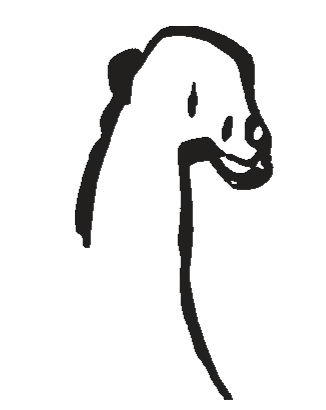
Behind the giant porch, the cave runs for about 750 metres, with a ceiling that in places soars past 80 metres. Visitors pass natural formations — columns, stalactites and stalagmites — alongside traces left by prehistoric people. Bédeilhac is a recognised archaeological site containing prehistoric rock art: paintings, outline drawings and engravings scratched into clay, produced during the Magdalenian period, meaning they are somewhere between eleven and fifteen thousand years old. These traces place the cave among the significant Palaeolithic art sites of the region.
What role did the cave play in the Second World War?
Because of its unusual size, Bédeilhac had a turbulent wartime history. In the summer of 1940, the French aircraft manufacturer Dewoitine began levelling and preparing the entrance to install workshops for producing aircraft parts inside the cave, but the project was abandoned within weeks after France's defeat. Years later, from May 1944, German forces took over the site and used it to repair Junkers aircraft, continuing the groundwork the French had started. The Germans withdrew in mid-August 1944, leaving behind damaged aircraft fuselages and workshop equipment.
Did anything else unusual happen here?
The entrance porch turned out to be so vast that in 1972 a pilot named Georges Bonnet took off and landed a light aircraft inside it — an episode still cited today as proof of just how enormous the cave's mouth really is.
What is a visit like?
The cave is open for guided tours only. The route follows a gallery nearly 700 metres long, and a full visit takes around ninety minutes. Inside, the temperature holds steady at roughly 12°C all year, so a jacket is worth bringing even in summer. To protect the paintings and mineral formations, visitors are usually asked to leave walking sticks, canes and strollers behind, and photography inside is often restricted.
FAQ
Is Bédeilhac the same cave as Niaux? No. They are two neighbouring but distinct caves in the same part of Ariège, each with its own entrance, history and prehistoric artwork.
How long does a visit to Bédeilhac take? A guided tour lasts about ninety minutes and covers a gallery close to 700 metres long.
What is the temperature inside the cave? It stays around 12°C throughout the year, regardless of the season outside.
What makes this cave stand out from others in the region? Its enormous entrance porch, one of the largest in Europe, and its unusual wartime history as an aircraft workshop, first French and then German.
Is the cave a protected historic site? Yes, Bédeilhac has been listed as a monument historique since 18 September 1929.
Nearby places

Earn badges for the places you visit
Download NextOnTrip, discover new places and check off your trails.