About this place
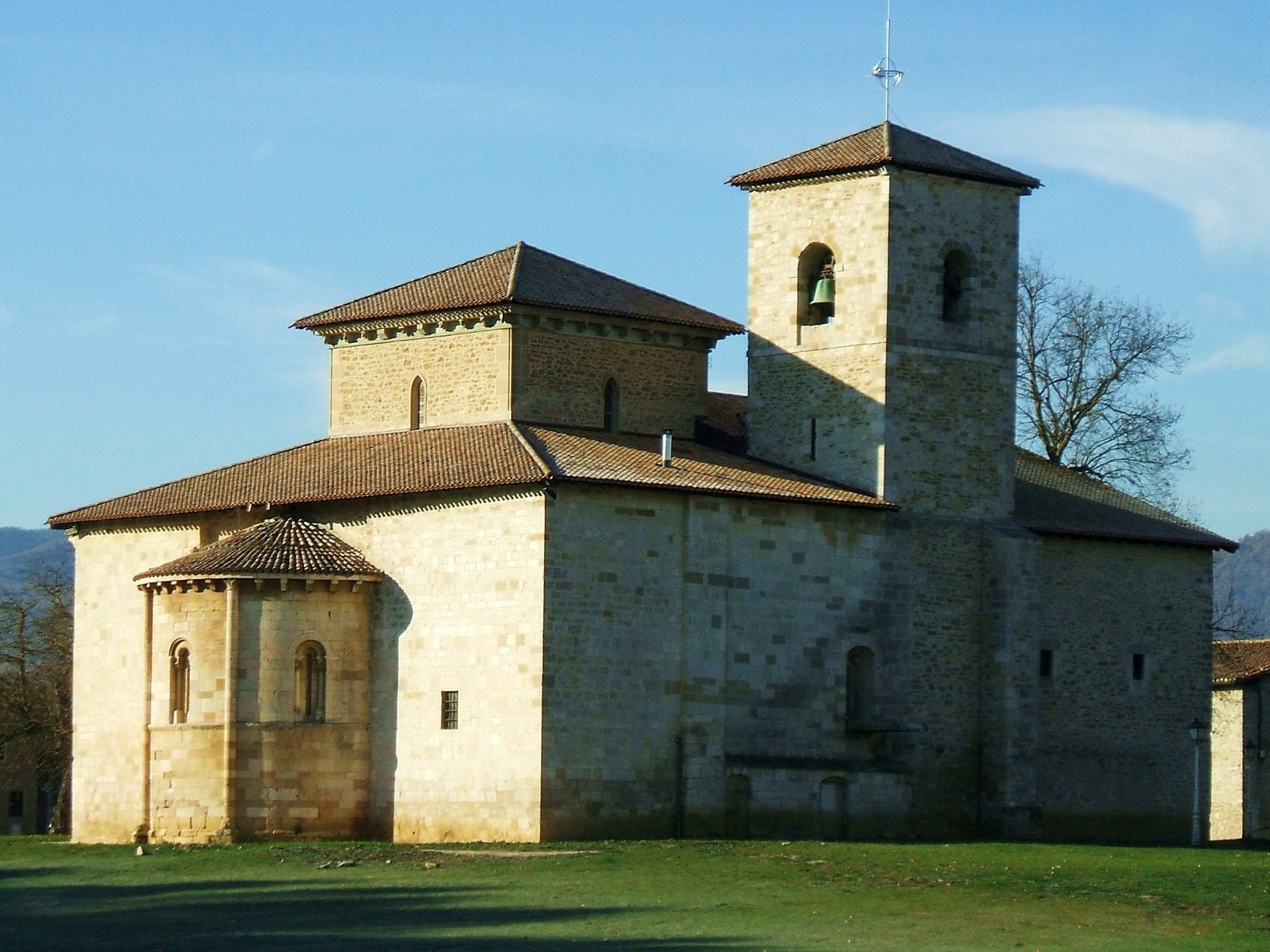
Basilica of San Prudencio de Armentia is a Romanesque church on the southern edge of Vitoria-Gasteiz, capital of the Basque Country in Spain, standing in the district of Armentia.
Where is the basilica located?
The church stands in Armentia, a once-separate settlement long since absorbed by the growing city, on the southern outskirts of Vitoria-Gasteiz. The site carries centuries of religious history: between the 9th and 11th centuries, an earlier church here served as the seat of the Diocese of Álava, before that role passed to Vitoria's own cathedral. The current building rises on the site of an even older church dating back to the 8th century.
When was it built, and in what style?
The present basilica was raised in the 12th century, largely between 1146 and 1190, in Romanesque style. It was originally dedicated to Saint Andrew, only later taking on the name of San Prudencio, patron saint of Álava, whose cult eventually overshadowed the original dedication. The floor plan follows a Latin cross, with a transept and a semicircular apse — a layout typical of Romanesque churches in the region. Architectural historians rank Armentia among the most significant examples of Romanesque building in Álava and the wider Basque Country.
What is there to see in the basilica?
The basilica's standout feature is its porch, lined with blind, pointed arcades resting on columns topped by figurative capitals. These are considered among the most valuable pieces of Romanesque sculpture on the Iberian Peninsula, and the workshop behind them is stylistically linked to the sculptors who worked on the monastery of Santo Domingo de Silos. One tympanum shows a lamb inside a circular medallion, flanked by figures of Saint John and the prophet Isaiah, with two angels below carrying a chrismon — the Christian symbol combining the Greek letters Chi and Rho.
It's worth knowing that the basilica's decoration isn't all from one period. A major renovation in 1776 permanently altered its appearance: some original Romanesque elements were scattered, while others were relocated into the porch, where they now sit outside their original architectural context.
Why does the basilica matter on the Camino de Santiago?
The basilica lies on the stretch of the Camino de Santiago that passes through Vitoria-Gasteiz, drawing pilgrims heading toward Santiago de Compostela for centuries. For walkers on the route, it's one of those stops where Romanesque architecture meets the pilgrimage's spiritual dimension — Armentia has long served as a place of prayer and rest on the long road across northern Spain.
Frequently Asked Questions
Who is the basilica dedicated to? The church was originally dedicated to Saint Andrew, later taking the name of San Prudencio, patron saint of Álava — the saint whose name it carries today.
When was the current building constructed? The present basilica dates from the 12th century, mostly built between 1146 and 1190 in Romanesque style, though it underwent a significant renovation in 1776 that changed its appearance.
What is the most valuable architectural feature? The porch, with its Romanesque column-statues and carved capitals, regarded as one of the most important pieces of Romanesque sculpture on the Iberian Peninsula.
Does the basilica have significance for pilgrims? Yes — it sits on the stretch of the Camino de Santiago running through Vitoria-Gasteiz, making it a historic stop for pilgrims travelling to Santiago de Compostela.
Nearby places
-
Museo Diocesano de Arte Sacro de Álava
Vitoria-Gasteiz
-

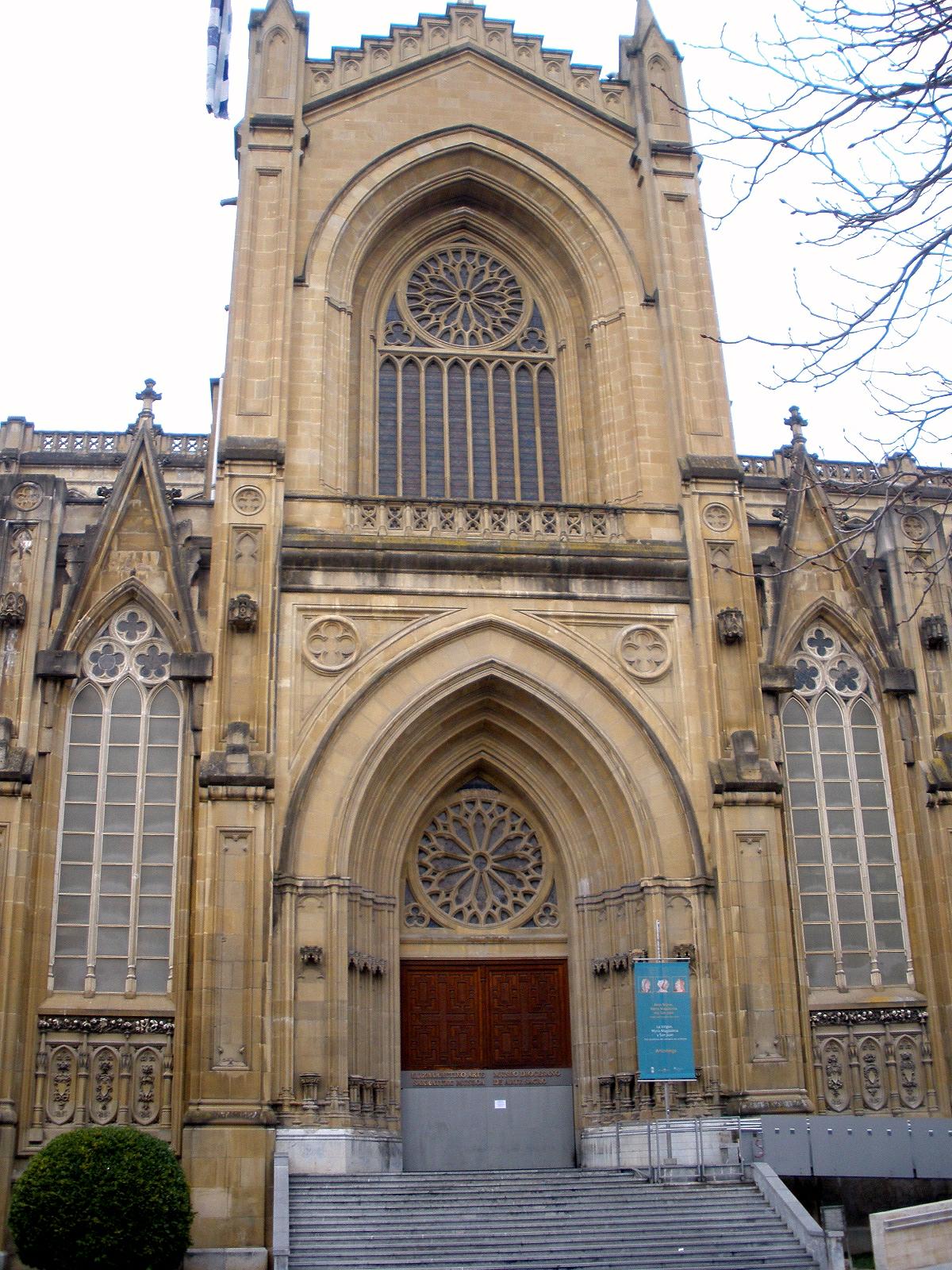
Cathedral of María Inmaculada of Vitoria
Vitoria-Gasteiz
-
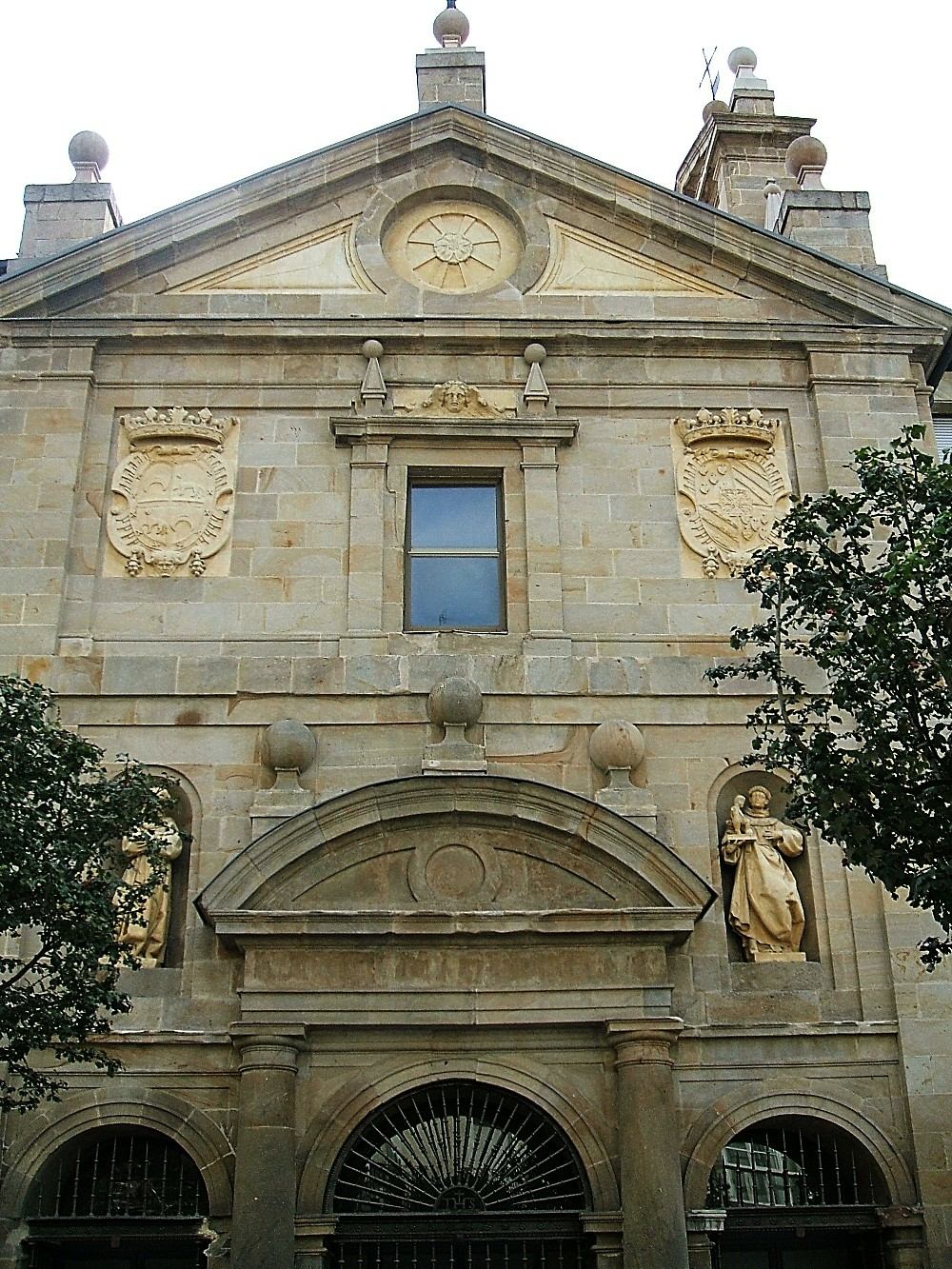
Convent of San Antonio, Vitoria
Vitoria-Gasteiz
-
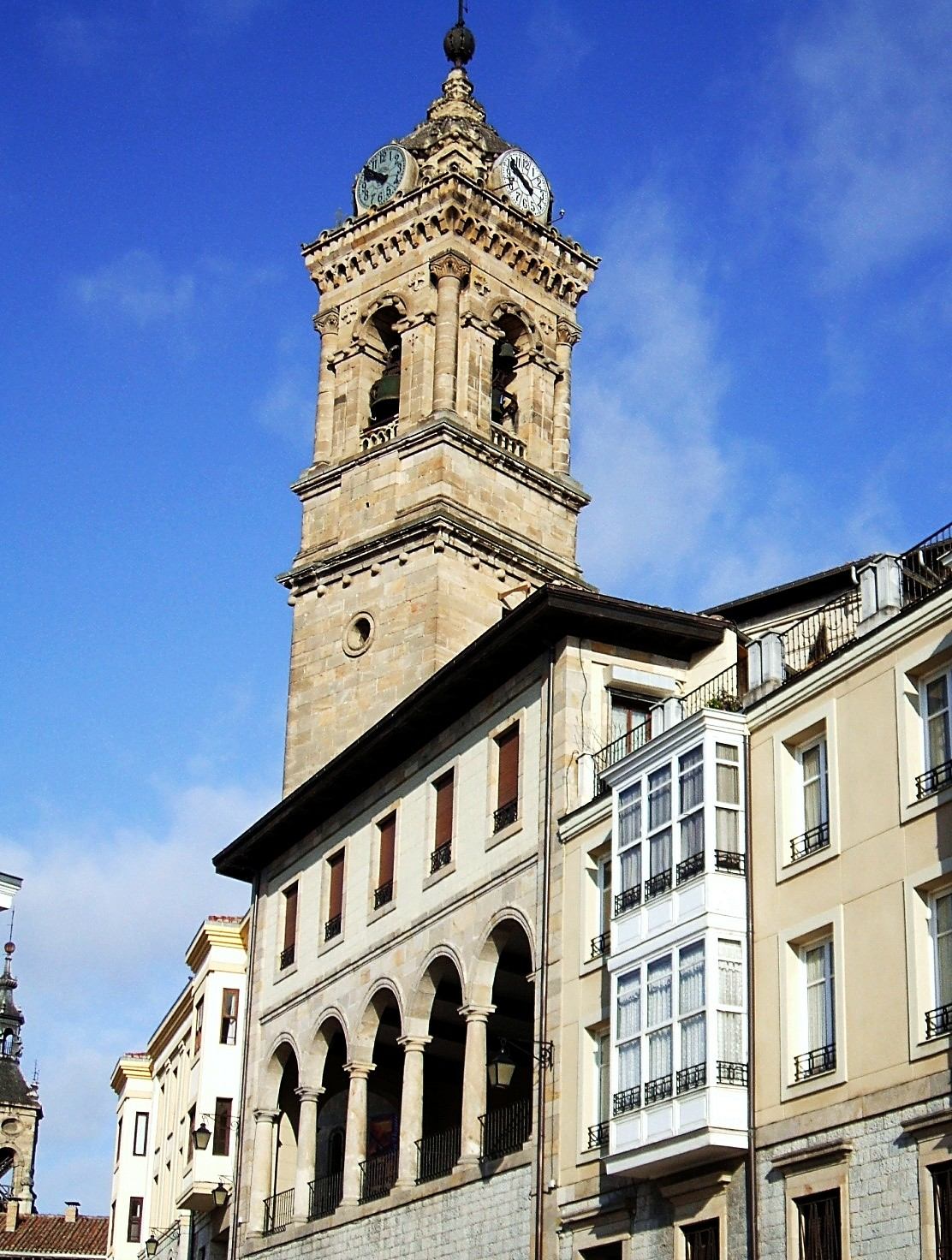
Church of San Vicente Mártir
Vitoria-Gasteiz
-
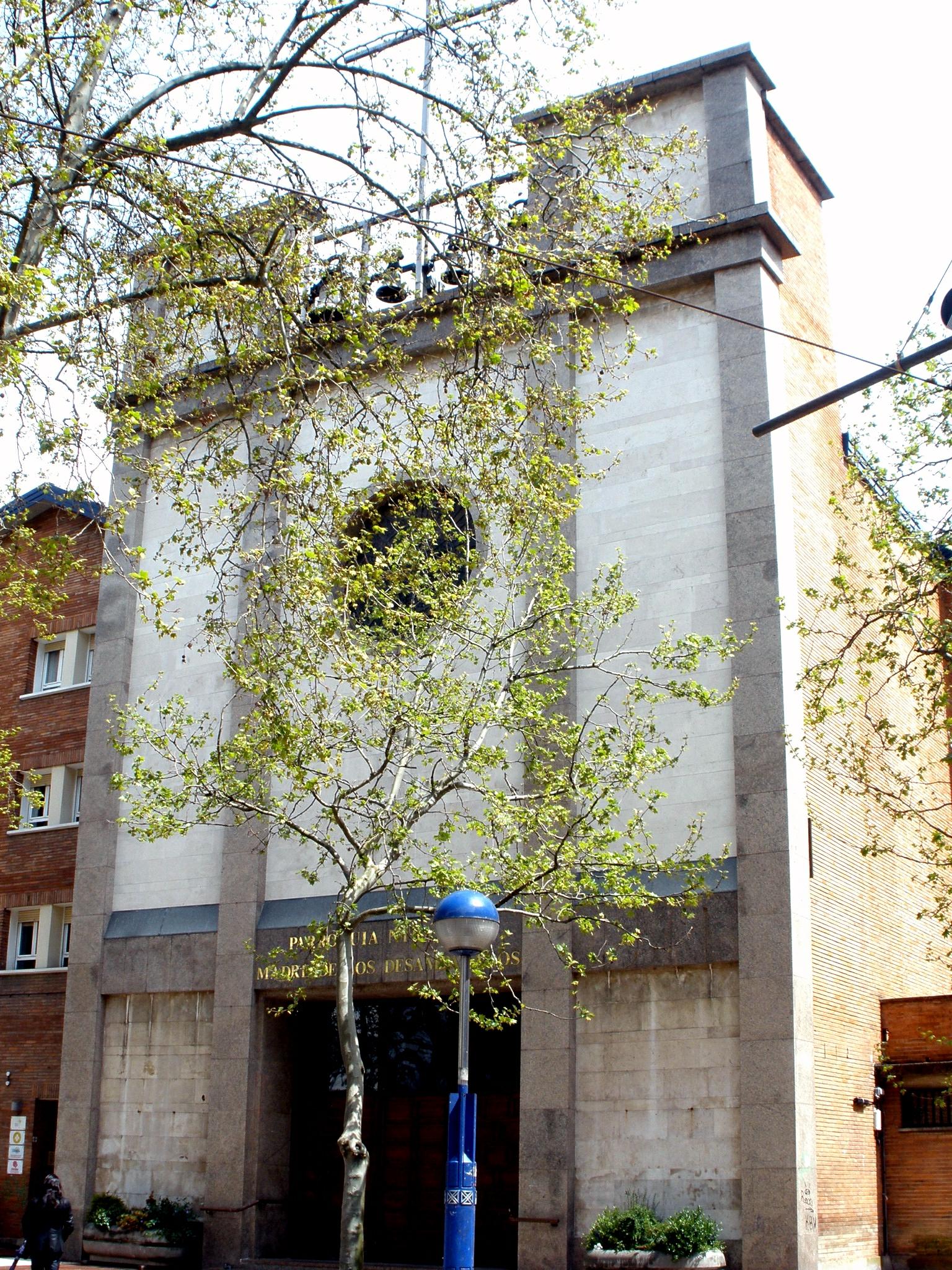
Church of Nuestra Señora de los Desamparados, Vitoria
Vitoria-Gasteiz
-
Cathedral of Santa María de Vitoria
Vitoria-Gasteiz
Earn badges for the places you visit
Download NextOnTrip, discover new places and check off your trails.