About this place
Valle de Villaverde is a small municipality in Cantabria with just a few hundred residents, tucked into the Asón valley right on the border with the Basque Country. It's one of the more unusual spots in the region: the municipality forms an exclave, completely surrounded by the territory of Biscay, so reaching the rest of Cantabria from here means driving through Basque land first.
Where exactly is it located?
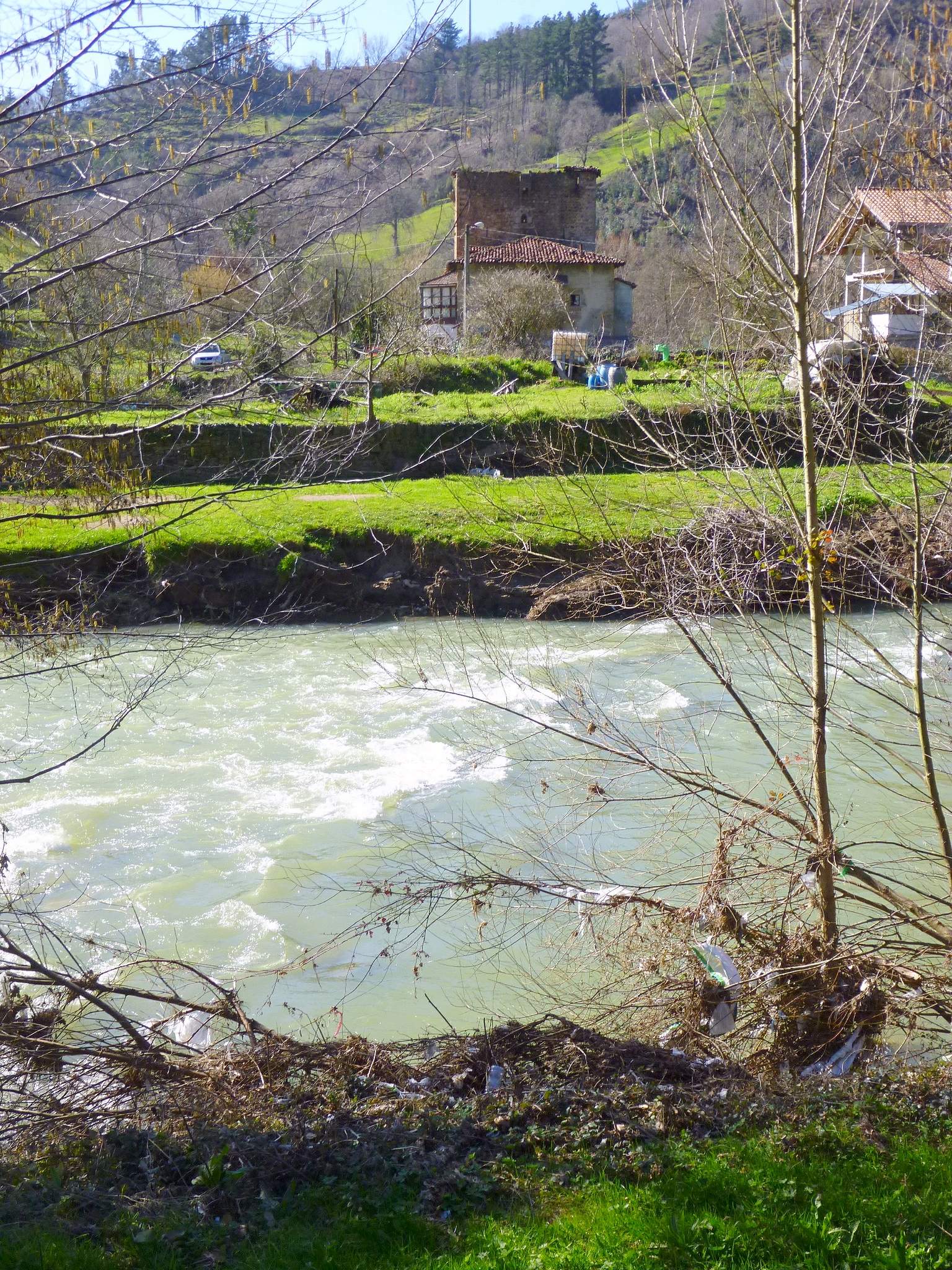
Valle de Villaverde sits in northern Cantabria, within the Asón valley area, framed by the hills and pastureland typical of this part of the region. Its position hard against the Biscay border gives the villages a distinctly mountainous, borderland feel — stone houses, small churches, and hamlets scattered across the valley floor.
Why did the municipality change its name?
Until 2005, the town's official name was Villaverde de Trucíos. That year, the local council restored an older, traditional name — Valle de Villaverde — found in historical records predating Spain's 1833 territorial reorganization. The main reason behind the change was to stop the constant mix-ups with the neighboring Basque municipality of Trucíos-Turtzioz, whose name closely echoed the older version.
What's the history behind this place?
Until the mid-15th century, this area belonged to the Encartaciones, a district within the Lordship of Biscay, and its residents held the same rights as other communities there — including a vote in the Juntas de Avellaneda, the local governing assembly.
That changed during the late Middle Ages. While the neighboring towns of Trucíos and Arcentales eventually returned to Biscay's rule, Villaverde instead became the property of the Velasco family, after Pedro Fernández de Velasco purchased it from Diego de Avellaneda. This feudal arrangement lasted right up until Spain's broader state modernization in the 19th century.
In 1822, as part of the nationwide creation of constitutional municipalities, the Ayuntamiento de Villaverde de Trucíos was established. A few years later, in 1833, the municipality was placed within the newly formed province of Santander, the precursor to modern-day Cantabria.
What should visitors know before coming?
Given its small size and exclave position, Valle de Villaverde appeals more to travelers looking for quiet, rural, borderland scenery than to those chasing headline attractions. Its villages sit among the green hills of the Asón valley, and the closeness of the Biscay border means a single day trip can take in both Cantabrian and Basque sides of the region.
Frequently Asked Questions
Is Valle de Villaverde really an exclave? Yes — the municipality is completely surrounded by the territory of Biscay (Basque Country), so getting here from the rest of Cantabria means crossing Basque land.
Where did the earlier name, Villaverde de Trucíos, come from? That name was official from 1822, when the constitutional ayuntamiento was formed. In 2005 the municipality reverted to its older historical name, Valle de Villaverde.
What larger geographic area does the municipality belong to? Valle de Villaverde lies within the Asón valley area (Valle del Asón), in northern Cantabria.
Are there visible traces of its feudal-era history today? The historical record — belonging to the Encartaciones and later to the Velasco family's holdings — is well documented, though seeing any surviving architecture from that period means visiting in person.
Nearby places

Earn badges for the places you visit
Download NextOnTrip, discover new places and check off your trails.