About this place
Ayuntamiento de Laviana occupies a corner of Plaza de Armando Palacio Valdés in Pola de Laviana, the administrative capital of the Laviana municipality in the Nalón river valley, eastern Asturias.
What does the town hall building look like?
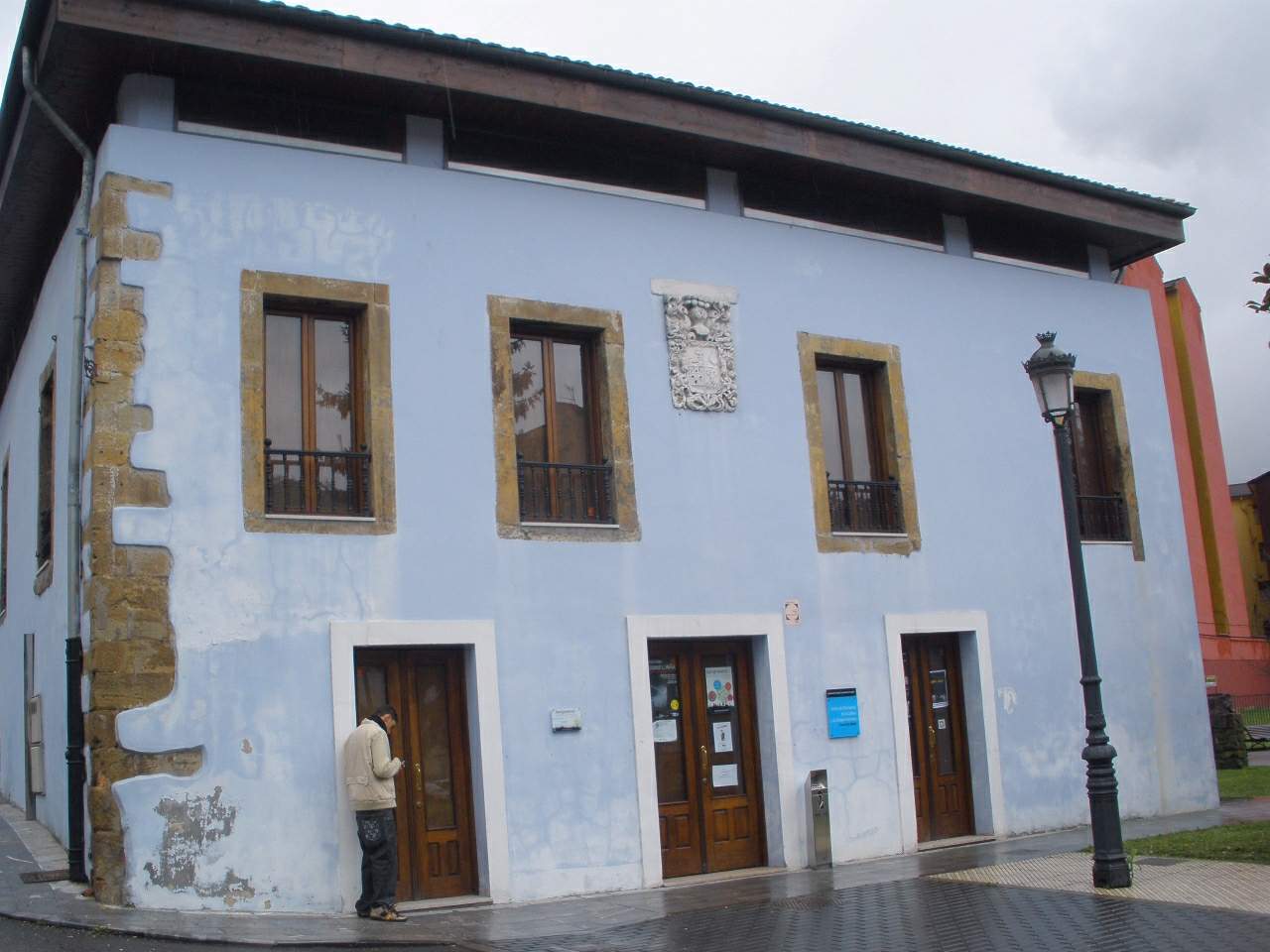
Construction dates to the late 19th century, with the building formally opened in 1905 under a design credited to architect Mariano Marín. The style falls within the Modernist trend common in Spanish civic architecture of that period. Its most recognizable feature is a ground-floor gallery of five rounded arches resting on cut ashlar stone, framed by a facade whose balanced, symmetrical layout gives the whole structure a composed, formal presence on the square.
Why does the town hall sit on this particular square?
The plaza takes its name from Armando Palacio Valdés, a novelist born nearby in Entrialgo whose best-known book, "La aldea perdida," draws heavily on the rural scenery of the Nalón valley. Placing the municipal seat on a square dedicated to a local writer says something about how the town frames its own identity. Steps away stands the parish church of Nuestra Señora de la Asunción, and together the two buildings anchor the historic core of Pola de Laviana.
What should visitors know about Laviana as a municipality?
Laviana grew up around coal mining, though the industry no longer defines daily life the way it once did. The municipality today counts roughly 15,000 residents, more than half of them concentrated in Pola de Laviana itself or in the neighboring Barredos area. The Nalón river has shaped local routines for generations, and river fishing remains one of the most practiced pastimes in the valley. That bond even produced "El Chalaneru," a folk song locals sing almost as often as any unofficial Asturian anthem.
What else is worth seeing near the town hall?
A short drive away in Entrialgo, the house where Palacio Valdés was born has been converted into a museum and interpretation center devoted to his work. Hikers tend to head for Peña Mea, the best-known peak in the surrounding hills, or to El Trasgu la fronda, a stretch of woodland thick with centuries-old chestnut, oak, and birch trees where hiking trails, archery, and paintball are all on offer. History buffs can also track down the Iron Age hillfort remains at El Castrillón and El Cerco, in the Pumarada area.
Frequently Asked Questions
Who designed the Laviana town hall? The building is attributed to architect Mariano Marín, and construction wrapped up in 1905.
Where exactly is the Ayuntamiento de Laviana located? It stands in the center of Pola de Laviana, on Plaza de Armando Palacio Valdés.
Are there other sights close to the town hall? Yes — the parish church of Nuestra Señora de la Asunción is just steps away, and the birth house of writer Armando Palacio Valdés, now a museum, sits a short distance away in Entrialgo.
Why is Laviana associated with coal mining? For decades the municipality's economy relied on coal extraction in the Nalón valley; today local authorities are pushing tourism and a return to traditional farming activities instead.
Nearby places

Earn badges for the places you visit
Download NextOnTrip, discover new places and check off your trails.