About this place
The Tower of San Julián is a medieval defensive tower in Bimenes, a small municipality in the region of Asturias, northern Spain. Also known locally as Casa de los Estrada, it was built in the 14th and 15th centuries as a solid stone tower, later extended with a thick-walled residential wing. It's a lesser-known but rewarding stop for travelers interested in the noble history of rural Asturias, away from the busier coastal towns.
What should you know before visiting?
The tower stands in the parish of San Julián, within the municipality of Bimenes, surrounded by the meadows and small villages typical of inland Asturias. It's officially protected as a Bien de Interés Cultural, Spain's top-tier heritage designation, confirming its historical and architectural value. That said, the building is privately owned, currently used as a barn, and in a considerably deteriorated state — so visits are limited to viewing the exterior from the outside.
What will you see there?
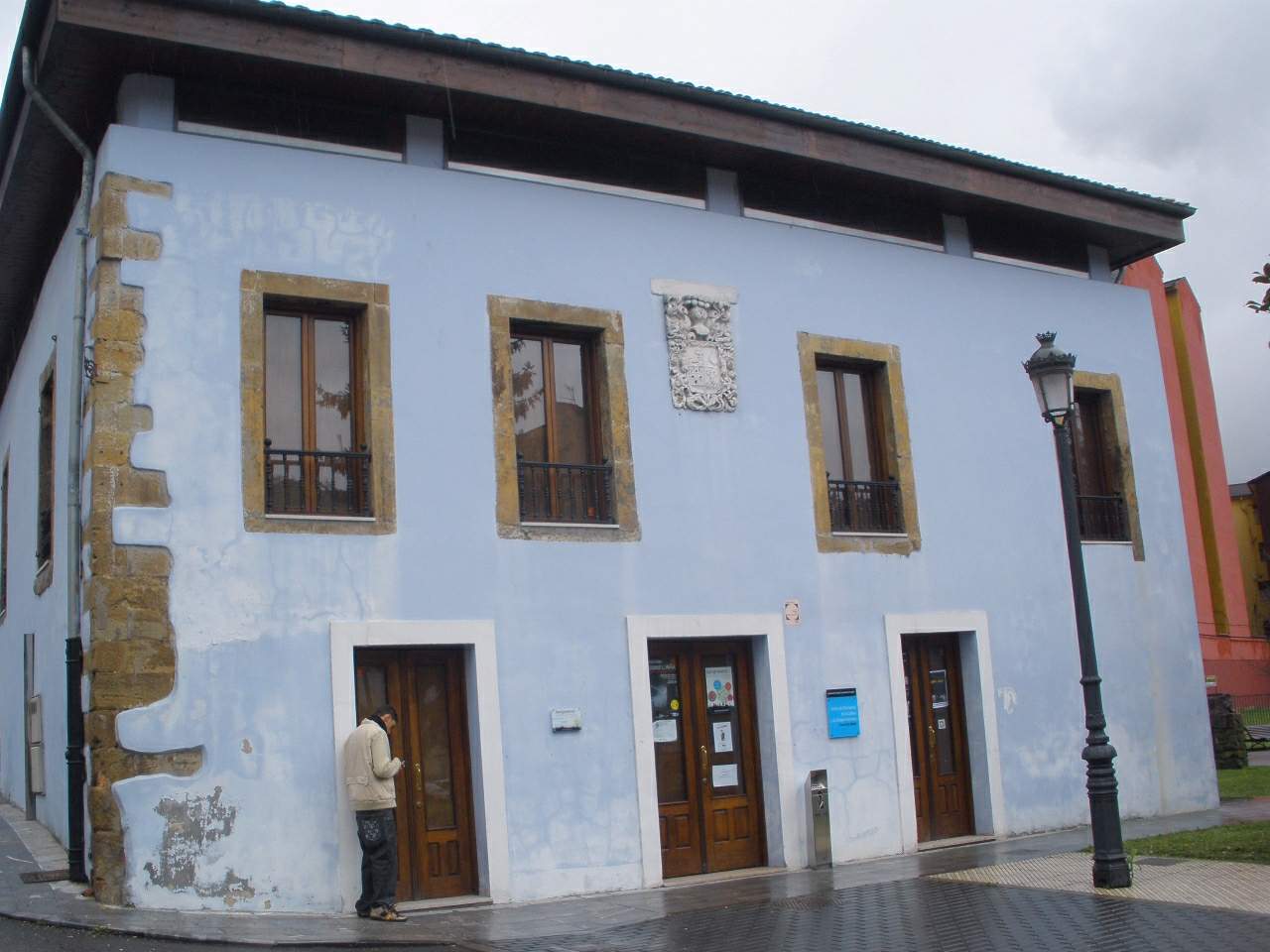
The highlight is the tower's front façade, which still displays an impressive stone coat of arms combining the symbols of three important Asturian noble families: the eagle of the Estrada family, the checkered pattern (squares) of the Nava family, and the fleur-de-lis of the Argüelles family. This shared coat of arms isn't decorative coincidence — it records the union of these families through marriage and their joint consolidation of power in the region. It's a rare, legible example of combined heraldry, interesting even to visitors with no prior background in local noble history.
At the rear of the building, facing the courtyard, a wooden gallery (corredor) has survived — a feature typical of rural Asturian architecture, historically used for circulation and drying produce. The contrast between the austere stone bulk of the defensive tower and the light timber structure at the back illustrates how fortified buildings gradually evolved into residential houses over the centuries.
How do you get there?
Bimenes sits in central Asturias, a short drive from both Oviedo and Gijón, making the tower an easy addition to a day trip from either city. Travelling by car is the most practical option, since local roads wind through scenic countryside and the village of San Julián itself is small enough that the tower is easy to spot from the road. It's worth building this stop into a broader route covering Asturias' rural heritage architecture — on its own, given its private ownership and poor condition, the tower only takes a short stop of exterior viewing.
When is the best time to visit?
Since the visit is essentially an outdoor, exterior one, good weather matters more here than the specific season. Spring and early autumn bring the mild climate typical of inland Asturias along with green surrounding meadows, which photographs well against the stone façade. It's best to avoid the wettest winter months common to the region.
Frequently asked questions
Can you go inside the tower? No — the building is privately owned, currently used as a barn, and in poor structural condition. Visits are limited to viewing the façade and surroundings from outside.
What does the coat of arms on the façade represent? It combines the symbols of three noble families — the Estrada eagle, the Nava squares, and the Argüelles fleur-de-lis — recording their historical alliance and shared power in the region.
Is the tower officially protected? Yes, it holds Bien de Interés Cultural status, Spain's highest level of heritage protection.
How long does a visit take? Since it's an exterior-only visit, 15–20 minutes is usually enough, unless you combine it with a longer walk around the area.
Nearby places

Earn badges for the places you visit
Download NextOnTrip, discover new places and check off your trails.